Events
Fall Issue Update
An all-star cast assembled for the fall issue — poetry, short stories, photography, and an interview with a jazz musician from Minneapolis, MN.
Read More →An Artistic Journal · Est. October 2011
A quarterly publication — online and in print — joining poets, photographers, painters, storytellers, and musicians into one open forum for cross-cultural expression.
Art collecting begins before an invoice or gallery wall appears. A theatre ticket, shell, annotated book or photograph becomes treasured because it carries a relationship, place and version of the self. Accumulation turns fragments into a material autobiography, while the wish to add one more object can rival the pleasure of looking. Its psychology joins identity, memory and appetite.
Collectors often describe their holdings as a self-portrait. Familiar forms steady memory, make taste visible and create continuity across changes in work, city and relationship. A collection answers an unspoken question: what do I value, and what story should those values tell? Arrangement becomes interpretation. Shelving, sequencing and annotating can be as expressive as making the work itself.
Accumulation also brings unease. Rooms become difficult to move through, money can be tied up in unseen objects, and inherited pieces may carry histories their owners have not examined. The difference between collecting and hoarding is not simply one of quantity. It concerns whether each object has a place in a life, whether care is realistic, and whether keeping something enlarges the world.
These tensions have particular textures in Australia. Residents of Sydney and Melbourne often live in apartments where display space competes with work, dining and sleep, making collection an exercise in editing. Cultural life also happens beyond private houses, through Carrick Hill in Adelaide, weekend markets such as Melbourne’s Rose Street Market, and local makers and dealers. Australian consumer, copyright and cultural-heritage rules add legal and ethical weight to the emotional bargain.
Memory is the engine of many collections, but it is selective. We keep what confirms a chosen identity and sometimes discard what complicates it. A worn chair, student print or pencilled note feels familiar because handling has joined it to a person. Its value exceeds rarity or market price; attachment, ritual and the stories told around it form an intimate provenance.
That private museum can extend into public culture. The recent issues of Stone Path Review show how reading, photography, painting, film and music can place personal response beside work from different countries and traditions. Such a journal interrupts the collector’s habit of ranking everything against a familiar canon. Encountering unfamiliar practice in its own context shows that cultural value need not pass through ownership before it matters.
Physical limits are instructive. In a compact Sydney flat, a collector may rotate one print between a bedroom wall and storage unit, while a Melbourne household keeps three framed works rather than twenty. Rotation, loans and shared walls preserve encounter without turning every surface into a warehouse. The aim is not austerity; it is keeping enough room for attention, conversation and daily life.
Collecting offers a repeatable emotional circuit: search, anticipation, acquisition, display, classification and the next search. Completion can be especially seductive. Filling a series, finding an elusive edition or gaining a rare object produces mastery that need not depend on market approval. Scarcity, exclusivity and the feeling that one recognised something before others can intensify attachment and turn the collection into a structure around self-esteem.
Control runs deeper than collecting is sometimes admitted. A catalogue, consistent arrangement or chosen wall can impose order on a life that feels unstable. Digital accumulation repeats the pattern: saved images, clips, screenshots and links build archives that are searchable but little seen. Digital hoarding is not a moral defect. It signals that a saved item’s value lies partly in the promise of future meaning.
Looking can preserve power imbalances. The collector decides what is rare, displayable and worthy of attention, while communities represented by an object may never be asked how it should travel. Documentary ethics matters here because documentary images are collected, captioned and circulated as evidence, yet their makers and subjects may lack control over the resulting story. Responsible collecting asks not only where an object came from, but who benefits when it joins the collection.
Provenance protects a work, but a clean chain of title does not settle ethical questions. In Australia, owning an original does not automatically grant the right to reproduce it; the Copyright Act 1968 governs copying and publication separately from physical title. Many dealer and online purchases carry consumer protections, giving buyers reason to seek accurate descriptions and records. Receipts, maker details, condition reports and export evidence are especially valuable when a work has crossed borders.
Indigenous artworks require a more relational account than “I bought it, so it is mine” provides. Federal and state heritage rules, including state-based Aboriginal cultural heritage laws, affect the movement of culturally restricted material. The AIATSIS Code of Ethics adds a social framework: communities should hold authority over their stories, and trade should not justify extraction. Consultation, attribution and agreed protocols may matter more than a collector’s display plan.
Broader cultural networks help that shift take root. Resources associated with Cambodian cultural work show the value of encountering artistic practice through living communities rather than isolated artefacts. A collection can support exchange when it funds artists, credits context and avoids treating cultural difference as decorative novelty. This does not remove the collector from the equation; it makes the collector’s position visible and accountable.
A collection becomes an archive when it preserves more than objects. Labels, correspondence, photographs and installation notes create a record of decisions, affinities and silences. This can deepen research and reveal personal history, but archives are shaped by whoever arranges them. Omissions may be as influential as displays, so a useful practice is to date entries, record changes of mind and revisit the story every few years.
Images make the issue immediate. The online project Tokyo in Ukraine shows how photographs can accumulate as testimony, preserving atmosphere and human experience without requiring ownership of the scenes. Such collections challenge the usual collector logic: an archive can be created through careful looking, citation and sharing rather than acquisition. An image’s ethical value rests partly on context, credit and honest description, not the prestige of possessing it.
Material care adds another psychological layer. Brisbane’s humidity, Perth’s dry heat and sharp temperature changes in Australian homes can threaten paper, textiles and photographs, while dust and insects harm stored works. Acid-free folders, stable placement and regular inspection turn care into an ongoing relationship. Storage boxes can rescue an overfull flat, but inaccessible storage can also create loss: an object kept too long unseen may become emotionally abandoned.
A collection is not measured by count. Before acquiring, ask questions that reveal motive, responsibility and realistic care rather than excitement alone:
Turn those questions into a practice that values participation and long-term usefulness:
The aim is not an empty wall. It is a collection whose objects can be encountered, understood and shared without exhausting the people, spaces and communities that sustain them. A quarterly review can work like a seasonal studio practice: notice what still resonates, repair the record and release what no longer earns its place.
Stewardship changes the emotional reward of collecting. Instead of completion alone, satisfaction can come from an object’s continued life in use, a clearer account of its context and the pleasure of introducing someone else to it. This suits an artistic quarterly built around cross-cultural exchange, where response can lead to dialogue rather than private conquest.
The journal Stone Path Review brings together poems, short stories, essays, reviews, photography, paintings, drawings, music and video from creators around the world. Its open forum for artists and readers is a model for collecting at its best: attentive to many voices, aware that looking has consequences and willing to let unfamiliar work revise taste.
Read the current issue, choose one work that unsettles your assumptions and share the journal with another reader. Artists and contributors can also enter the publication’s submissions process, which charges no reading or submission fees and is supported by 418 Publishing, Inc., its nonprofit parent organisation. Let each addition open a door rather than simply enlarge the cabinet.
Identity & Recognition
Featured Book
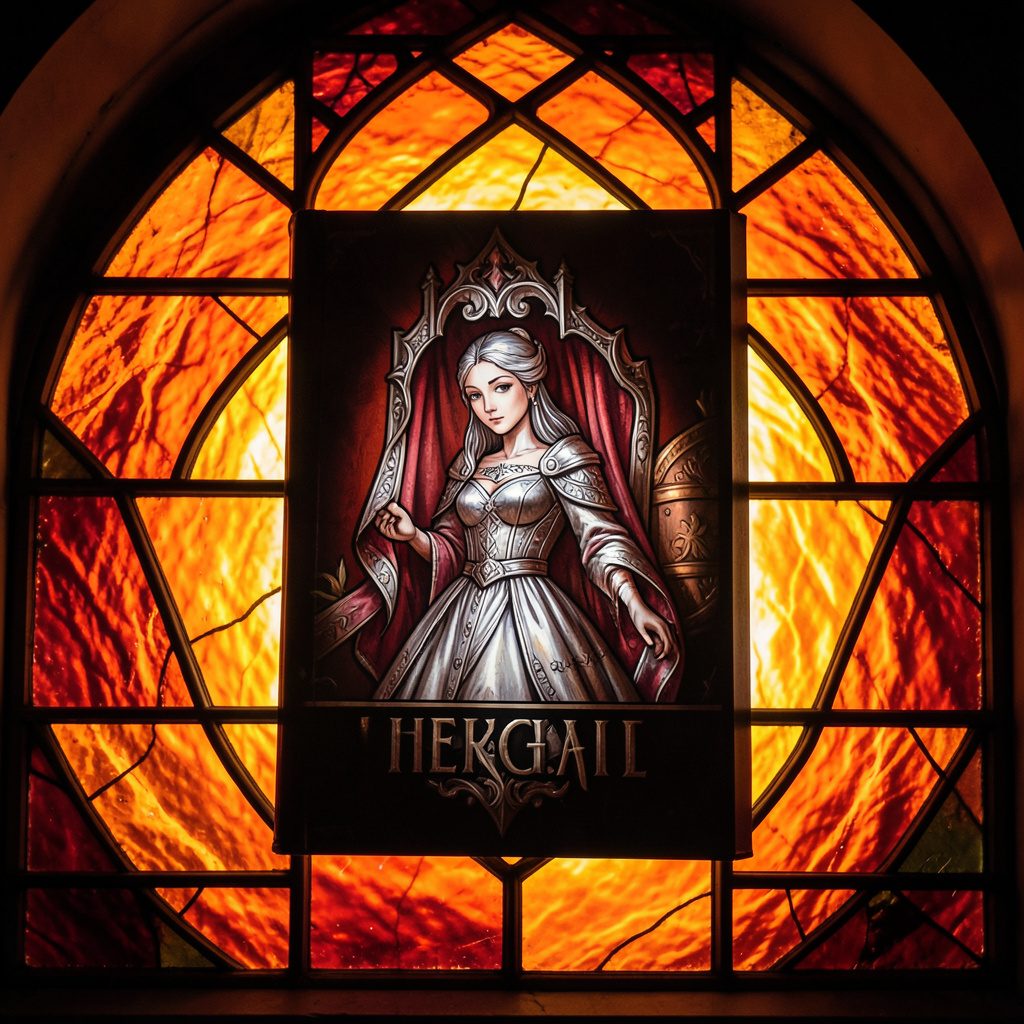
Selected works from across our quarterly issues, gathered into a printed volume. Past print runs have appeared in limited quantities and are available while supplies last.
Volumes cover poetry, short fiction, photography, paintings, drawings, reviews, and interviews — curated to reflect the breadth of artists who have shared their paths in the journal.
Browse Past IssuesInside the Pages
Since 2011, Stone Path Review has hosted contributions from more than twenty artists — poets, photographers, musicians, and filmmakers — along with interviews, readings, and film entries.
Recent volumes have included poetry from Mark Doty and Jim Harrison, an interview with a jazz musician from Minneapolis, MN, and the short film Efflorescence from Deep Field Cinema.
From the Blog
An all-star cast assembled for the fall issue — poetry, short stories, photography, and an interview with a jazz musician from Minneapolis, MN.
Read More →
A featured film entry from Deep Field Cinema, programmed as part of our ongoing screen series.
Read More →
418 Publishing, Inc. was started as the parent company of Stone Path Review, with five issues published by this point.
Read More →
Photography and artist interview, part of an ongoing series highlighting new and established contributors.
Read More →
A recorded poetry reading captured on video and shared alongside the print issue.
Read More →
Browse past quarterly issues of Stone Path Review, available online with limited print quantities.
Read More →