Events
Fall Issue Update
An all-star cast assembled for the fall issue — poetry, short stories, photography, and an interview with a jazz musician from Minneapolis, MN.
Read More →An Artistic Journal · Est. October 2011
A quarterly publication — online and in print — joining poets, photographers, painters, storytellers, and musicians into one open forum for cross-cultural expression.
A room can be measured in metres, but it is experienced as a sequence: a narrow entry, a pause beneath a stair, the sudden release of a window. Poems work similarly. A line may establish a threshold, withhold the expected view, then alter the pressure of the next breath. The useful exchange between architecture and poetry is not a transfer of professional rules. It is a renewed attention to how arrangement makes meaning.
Imagine an architect and a poet walking through central Melbourne on a cool morning, taking the short route through a laneway where delivery bikes share space with café tables and bins. The architect notices gradients, sightlines and places where the brickwork darkens. The poet hears interruptions: a grinder, a tram bell, someone greeting a neighbour by surname. Each is reading the same urban field through a different instrument. Neither can work properly while treating the other discipline as decoration.
Put the two practices together and a building becomes a grammar for attention. A doorway can conjugate expectation. A staircase can carry syntax. Light can change the tense of a room. This article follows the lessons exchanged in both directions: the poet teaches architecture to notice sensation and accident, while the architect teaches poetry to respect sequence, proportion, weight and the intelligence of limits.
An architect begins with sequence because a plan is also a hypothesis about movement. Where does a person enter? What remains visible from the door? Which room offers release after a narrow passage? Poetry makes comparable decisions at a smaller scale. Its pacing, lineation and transitions determine how a reader crosses the page. A syntactically elegant sentence can become spatially flat if it gives the eye nowhere to change direction.
Light makes this lesson unusually exact. Stone Path Review’s reflection on painting with light describes photography as an encounter with duration: the fraction of a second in which illumination becomes visible. A poet can work with that fraction through a single precise image. The aim is not to decorate the line with atmosphere. It is to let brightness reveal form, conceal detail or expose an unexpected edge.
Every poem also contains negative space, though poets rarely call it that. A pause after a statement, an empty line or a withheld noun can do the work of an unoccupied corner. That space is active because the reader supplies what has been withheld. In architecture, the same principle governs the gap between two solid walls; in verse, it governs the distance between two charged words. Form becomes meaningful through what it excludes.
Thresholds carry more than physical weight. They separate climates, sounds, expectations and degrees of permission. Sydney’s sandstone terraces make this visible: a front door, a narrow hallway, a shaded room and a rear opening can turn a modest house into a sequence of distinct atmospheres. The threshold asks a visitor to adjust before granting access. Language performs a similar negotiation. The first word of a poem may be a door held ajar rather than an explanation delivered at full volume.
Space is linguistic before it becomes architectural. Dialect, register and silence all create distances between people and possible meanings. An overview of Brazilian language varieties offers a reminder that a language can hold official authority while continuing to live in many local forms. A poet who hears those forms as overlapping rooms rather than decorative specimens gains a more ethical model of voice. The poem can permit several registers to coexist without forcing them into uniform speech.
Public places test that permission. At Fremantle Markets on a Saturday morning, produce crates, bread stalls, shade canopies and narrow aisles produce a changing geometry of bodies. A visitor crosses from bright street to compressed passage, then emerges into another pocket of noise and colour. The market is designed partly by accident, yet it demonstrates what architecture can learn from crowds: privacy may be scarce, but orientation can come from landmarks, repeated sounds and the pull of other people. A poem may create its own landmarks in language.
Architecture offers poets a vocabulary for describing relationships rather than objects. Its value lies in verbs and structures that disclose how one condition produces another. These architectural gestures become useful when paired with precise language:
Translating these ideas into poetic practice means changing the instrument while preserving the pressure. The architect may cut an aperture; the poet may revise a stanza. The designer may redirect a path; the writer may alter the order of images. Each gesture should create meaning beyond its own technique:
These choices also carry civic weight. Australian architecture operates within the National Construction Code, commonly called the Australian Building Code, which establishes minimum accessibility and egress requirements, while state and local planning systems add further controls. A Sydney terrace may sit beneath a heritage overlay, and an accessible entrance cannot be treated as an afterthought added to an inherited form. Poets can ask comparable questions. Who is invited into the scene? Who must cross an awkward threshold? Which voices are placed near the entrance, and which remain in the back rooms? Space distributes attention as surely as it distributes bodies.
Buildings register climate through their materials, and poems register it through cadence. A Brisbane verandah with deep eaves and a narrow opening can turn summer glare into bands of light and shade. The same room may feel open to the air while remaining protected from the horizontal sun. Verse can create an equivalent atmospheric structure through timing. A long line carries heat; a clipped phrase releases it; a repeated sound establishes the steady pressure of an outside season.
Poetry’s metre is never entirely separate from its imagery. Stone Path Review’s consideration of writing prose like music describes rhythm as the relationship between pulse and interruption. In a poem, metre may resemble the recurring timetable of a commuter train, the repeated scrape of a gate, or the irregular footfalls of people crossing a gravel courtyard. Syntax controls how long a thought is permitted to occupy the body before it must move.
The built metre continues onto the pavement. Australians often move through daily routines calibrated to weather, traffic and distance: the quick coffee before work, the reusable bottle beside a laptop, the long wait beneath a station canopy, the sudden dash of rain between buildings. These habits generate a collective tempo. When a footpath narrows, bodies adjust. When a crossing signal changes, strangers coordinate without speaking. Architecture makes these patterns physical, while poetry discovers their rhythm in syntax and attention.
The central lesson is that a poem can become a place without imitating a building. It can establish conditions of entry, proximity, resistance and release. Its white spaces can be inhabited, its transitions can alter the weather, and its images can frame what becomes visible. The architect, in turn, can learn from the poem that a plan need not account for every object in advance. Both practices can make room for accident, ambiguity and the unmeasured life of a place.
Stone Path Review provides an appropriate home for this kind of exchange. Its online and print pages bring together poetry, fiction, essays, reviews, photography, painting, drawing, music and video from creators across cultures. Founded by writers, editors and photographers, the journal treats artistic forms as neighbours rather than separate territories. That cross-cultural outlook has particular force in Australia, where cities, regional towns and remote communities often occupy sharply different sensory and political environments.
Read Stone Path Review online or in print, then consider how one unfamiliar work changes the way you enter another. Writers and artists can submit work to its open forum without reading or submission fees, with support from 418 Publishing, Inc., the journal’s nonprofit parent organisation. Bring your poem, image, sound or reflection to a publication built around movement between disciplines, and help make a place where more ways of seeing can find readers.
Identity & Recognition
Featured Book
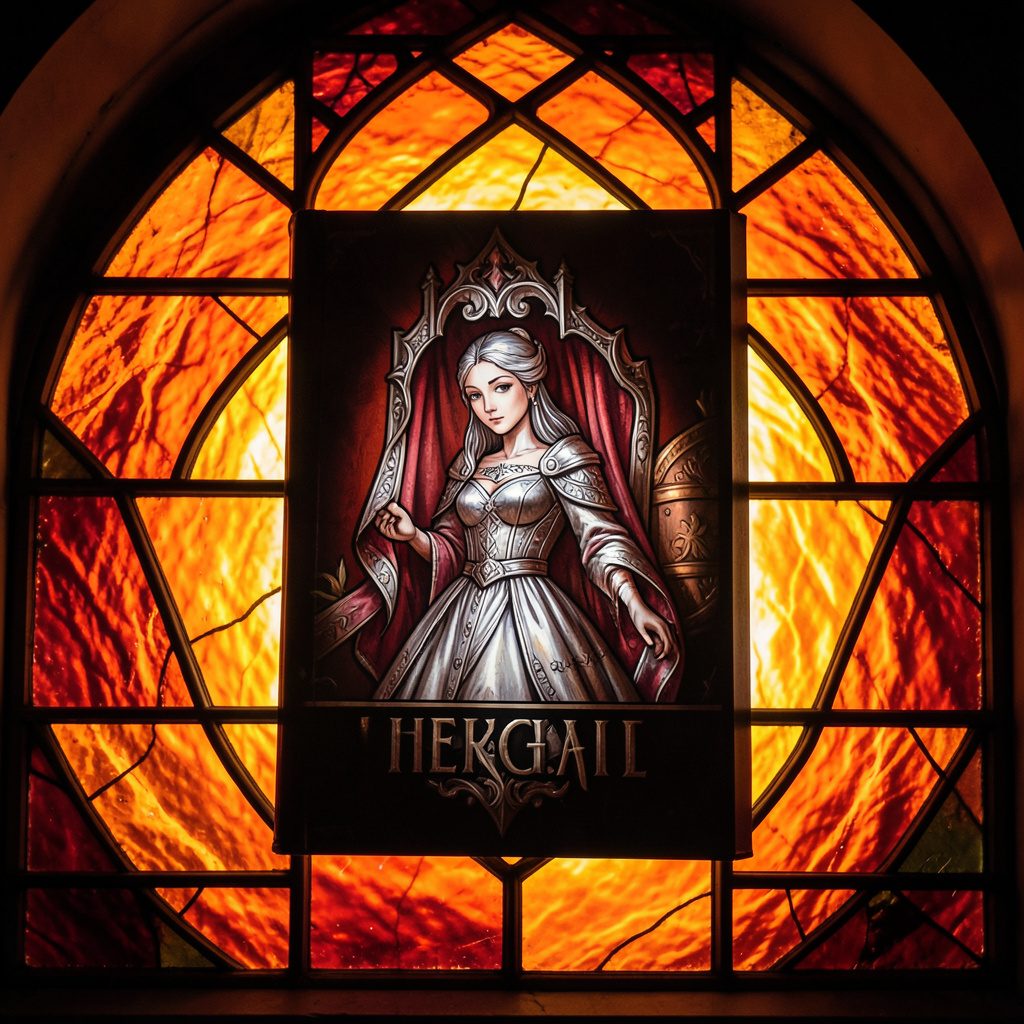
Selected works from across our quarterly issues, gathered into a printed volume. Past print runs have appeared in limited quantities and are available while supplies last.
Volumes cover poetry, short fiction, photography, paintings, drawings, reviews, and interviews — curated to reflect the breadth of artists who have shared their paths in the journal.
Browse Past IssuesInside the Pages
Since 2011, Stone Path Review has hosted contributions from more than twenty artists — poets, photographers, musicians, and filmmakers — along with interviews, readings, and film entries.
Recent volumes have included poetry from Mark Doty and Jim Harrison, an interview with a jazz musician from Minneapolis, MN, and the short film Efflorescence from Deep Field Cinema.
From the Blog
An all-star cast assembled for the fall issue — poetry, short stories, photography, and an interview with a jazz musician from Minneapolis, MN.
Read More →
A featured film entry from Deep Field Cinema, programmed as part of our ongoing screen series.
Read More →
418 Publishing, Inc. was started as the parent company of Stone Path Review, with five issues published by this point.
Read More →
Photography and artist interview, part of an ongoing series highlighting new and established contributors.
Read More →
A recorded poetry reading captured on video and shared alongside the print issue.
Read More →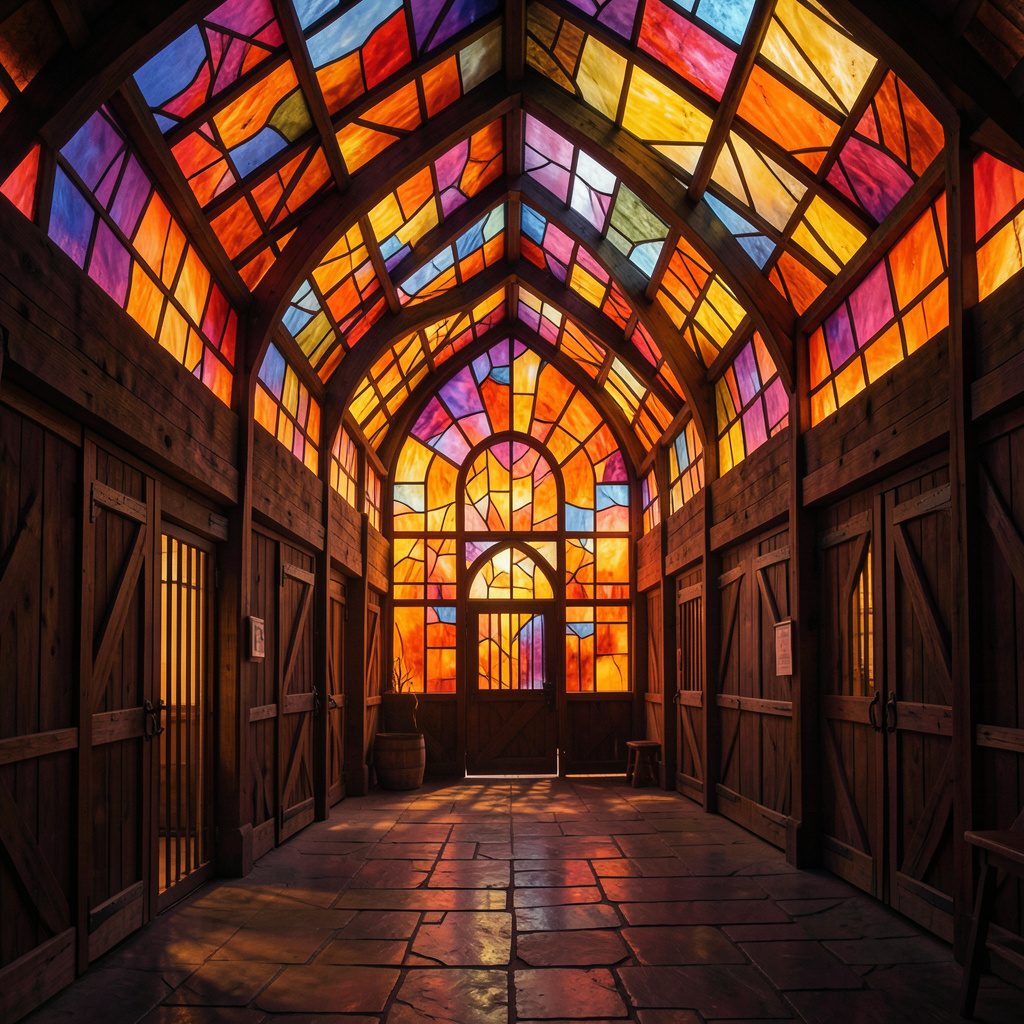
Browse past quarterly issues of Stone Path Review, available online with limited print quantities.
Read More →