Events
Fall Issue Update
An all-star cast assembled for the fall issue — poetry, short stories, photography, and an interview with a jazz musician from Minneapolis, MN.
Read More →An Artistic Journal · Est. October 2011
A quarterly publication — online and in print — joining poets, photographers, painters, storytellers, and musicians into one open forum for cross-cultural expression.
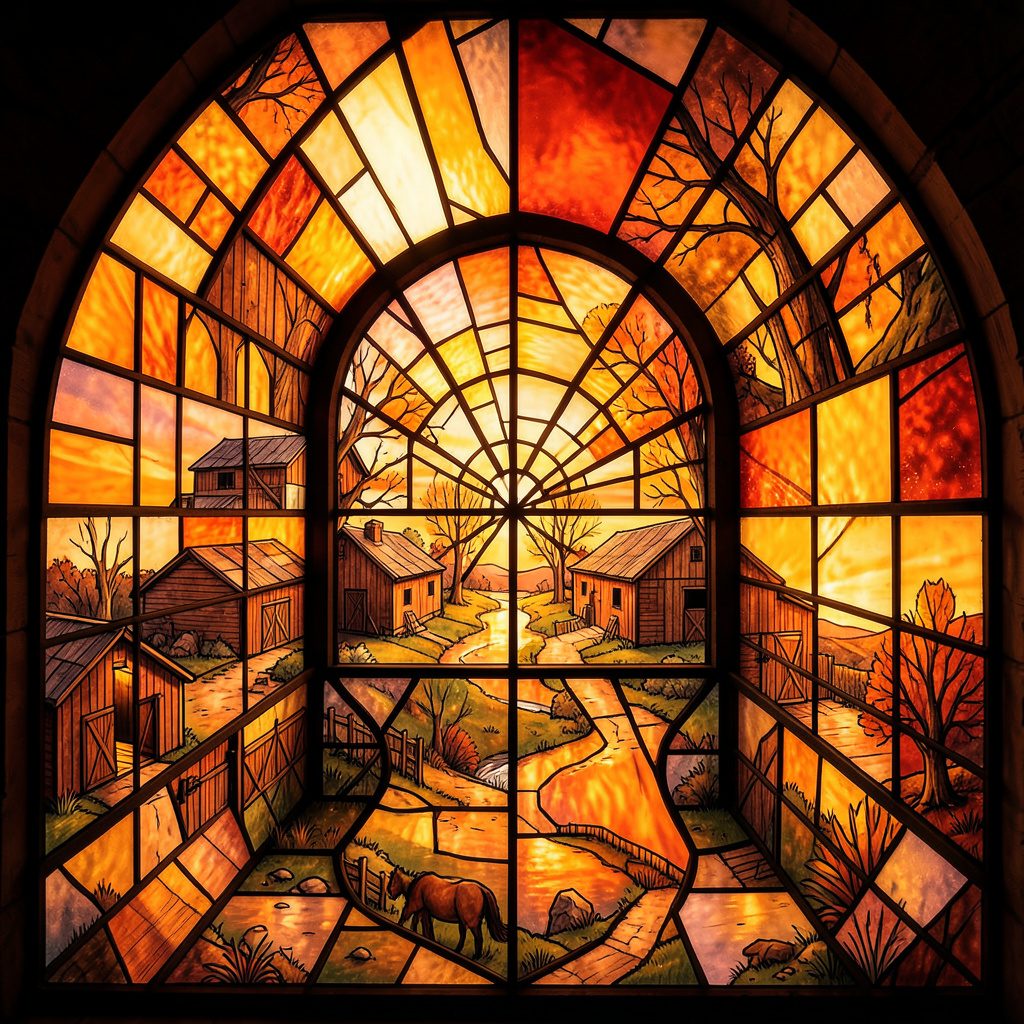
A photographer who studies painting quickly discovers that light is more than a technical condition. It is a material, a direction, a mood, and sometimes the central subject of an image. Painters can spend hours observing how a warm reflection travels across a wall or how a cool shadow changes the emotional temperature of a room. Their decisions offer photographers a richer way to see before pressing the shutter.
This exchange between mediums is especially valuable in Australia, where intense sun, broad skies, coastal glare, and long distances create distinctive visual conditions. From Melbourne’s grey winter streets to the hard afternoon brightness of Perth, learning from painters encourages photographers to slow down, interpret light, and make deliberate choices rather than simply record what appears in front of the lens.
| Lesson from painting | Photographic application | Australian setting |
|---|---|---|
| Light establishes mood | Choose exposure and colour intentionally | A rainy Melbourne laneway |
| Shadows shape form | Use negative space and contrast | A Brisbane verandah at noon |
| Colour can be subjective | Adjust white balance and grading | A vivid Bondi sunset |
| Composition directs attention | Arrange foreground, subject, and background | A crowded weekend market |
| Surfaces reflect their surroundings | Watch for bounced and coloured light | A Sydney harbour promenade |
Painters often treat light as if it has weight. A shaft across a studio floor can divide a composition, while a soft glow on a cheek can make a figure seem to lean towards the viewer. This way of thinking helps photographers move beyond the basic categories of “good” and “bad” light. Flat illumination may be perfect for a quiet portrait, while sharp overhead sun can express tension, heat, isolation, or the exposed character of a landscape.
In Australia, the difference is easy to observe during ordinary routines. The light on a suburban footpath at 8 a.m. is gentler than the glare around midday, when people reach for sunglasses and seek the shade of a shop awning. At a beach, reflected light from pale sand and water can lift shadows under a face, while a dark eucalyptus trunk may absorb light and create a strong vertical shape. Painters notice these shifts as changes in atmosphere; photographers can learn to notice them before they become exposure problems.
This approach also changes how a photographer prepares for a shoot. Instead of arriving with a fixed idea of the perfect hour, the photographer studies the location first. The western sun may turn a weatherboard house orange, but it can also produce distracting highlights on a car or window. A cloud can soften a harsh scene within seconds. Watching these transitions develops patience and makes the camera part of an observation process rather than a substitute for it.
In painting, value means the relationship between light and dark. A successful image can often be understood in greyscale before colour is considered. Painters use large areas of light and shadow to guide the eye, establish depth, and create rhythm. Photographers can apply the same principle by looking for a clear arrangement of tones before becoming distracted by detail.
A busy scene at Queen Victoria Market in Melbourne illustrates the point. Bright fruit, striped awnings, metal stalls, and moving shoppers compete for attention. A photographer who concentrates on colour alone may produce a lively but unfocused frame. By squinting, lowering the gaze, or checking a monochrome preview, the photographer can identify a darker figure against a pale wall or a pool of light on a vendor’s hands. That arrangement gives the picture structure.
Painters also remind photographers that shadows are active elements. A shadow may conceal information, separate two forms, or create a pause inside the frame. In portraiture, allowing one side of a face to fall away can suggest privacy and complexity. In street photography, the shadow of a verandah can become a border that frames a person crossing beneath it. The aim is not maximum detail everywhere; it is a persuasive distribution of attention.
Colour theory offers photographers a vocabulary for feelings that technical manuals often leave unexplained. Warm ochres can imply dust, memory, or late afternoon. Blue-green tones may make a familiar place feel distant. Complementary colours create tension, while related colours produce calm. These effects are not universal rules, yet they help a photographer consider the emotional consequences of a palette.
Australian environments provide an unusually broad range of colour relationships. A red desert track against a turquoise sky has a force that can easily overpower the subject. The muted greens of a winter garden in Hobart may suit a contemplative series, while the pinks and oranges around Sydney Harbour at sunset can turn an ordinary commute into a theatrical scene. A painter would ask whether every colour belongs to the intended feeling. A photographer can ask the same before raising saturation in post-production.
The lesson is restraint as much as intensity. Digital cameras record colour generously, and editing software makes dramatic changes easy. Yet a subtle correction to white balance may be more effective than a heavy preset. Photographing under mixed light in a café, for example, can produce green fluorescent shadows and yellow tungsten highlights. Rather than forcing every area to match, the photographer might preserve the mixture if it reflects the space’s lived character. Colour then becomes evidence of place, not decoration added afterwards.
A visual artist can deepen this study by viewing work across mediums and cultures. Stone Path Review’s upcoming events offer a useful context for encountering artists who approach colour, atmosphere, and perception in different ways. Seeing how a painter, filmmaker, or photographer solves a similar expressive problem can expand a personal visual vocabulary.
Painting makes time visible through revision. A painter may cover an earlier colour, leave a brush mark, or build several transparent layers before the image feels complete. Photography is often associated with the instant, yet the strongest photographs frequently depend on extended attention. Waiting for a person to enter a patch of light, returning to the same street in different weather, or making several exposures can create a sense of duration.
This is particularly relevant in Australian cities, where public life changes dramatically across the day. A Sydney laneway may be quiet before cafés open, crowded during the lunch break, and almost empty after the last train. In Darwin, wet-season cloud can transform the quality of daylight within minutes. In Adelaide, a summer evening can move from hot brightness to a cool, violet dusk while people gather outdoors. Each interval offers a different visual statement.
Long exposure provides another bridge between painting and photography. Moving headlights can become lines, water can lose its rough texture, and passing bodies can dissolve into a transparent haze. The resulting image is not a literal record of one instant; it is an interpretation of time. Painters achieve comparable effects through repeated marks and softened edges. The photographer achieves them through shutter speed, stability, and an understanding of how motion will accumulate on the sensor.
Patience also improves documentary work. A photographer who waits can notice relationships that a quick snapshot misses: a child’s reflection beside a parent, a worker briefly lit by a delivery van, or a flock of birds crossing an industrial skyline. Waiting does not guarantee a better picture, but it increases the chance of discovering an image with layers of meaning.
Painting teaches photographers that a picture is constructed, even when it appears spontaneous. Every edge matters. The decision to include a doorway, crop a shoulder, leave empty sky, or place a horizon low in the frame influences how viewers move through the image. Composition is therefore an ethical and expressive act: it determines what receives attention and what remains outside the story.
This matters when photographing communities, public events, and culturally significant places. Australia’s multicultural cities contain many overlapping visual languages, but a photographer should avoid turning people or traditions into visual props. Spending time in a neighbourhood, learning local expectations, and asking permission when appropriate can lead to more respectful images. Australian privacy and copyright law also deserve attention. A person’s presence in a public place does not automatically settle every ethical question, and commercial use, identifiable subjects, private property, and commissioned work may involve different responsibilities.
Painters often work from accumulated looking, sketches, conversations, and memories. Photographers can adopt that broader practice by keeping field notes alongside image files. Notes about weather, sounds, names, permissions, and the circumstances of an encounter can protect context that metadata cannot hold. They can also reveal recurring concerns: reflections, thresholds, hands at work, empty chairs, or the changing colour of suburban streets.
Publishing completes the exchange between artist and audience. A photograph gains another life when placed beside writing, painting, music, or criticism. Stone Path Review’s current issues demonstrate how different forms can share a concern without becoming identical. For a photographer, this kind of setting encourages captions that add context, sequencing that creates rhythm, and images that invite interpretation rather than explain everything.
The most lasting lesson from painting with light is a change in attention. A photographer begins to see illumination as a language with grammar: direction, pressure, colour, absence, repetition, and pause. This language can be used with a phone on a morning walk, a mirrorless camera at a coastal lookout, or a simple lamp in a home studio. Equipment matters, but trained observation matters first.
Build a small study around one kind of light and return to it across several days. Photograph the same window, street corner, person, or landscape at different hours, then edit the results as a sequence. Share the work with a thoughtful audience, and when the series is ready, use the contact page to connect with Stone Path Review about the possibility of publication. Turn careful looking into a body of work.
Identity & Recognition
Featured Book

Selected works from across our quarterly issues, gathered into a printed volume. Past print runs have appeared in limited quantities and are available while supplies last.
Volumes cover poetry, short fiction, photography, paintings, drawings, reviews, and interviews — curated to reflect the breadth of artists who have shared their paths in the journal.
Browse Past IssuesInside the Pages
Since 2011, Stone Path Review has hosted contributions from more than twenty artists — poets, photographers, musicians, and filmmakers — along with interviews, readings, and film entries.
Recent volumes have included poetry from Mark Doty and Jim Harrison, an interview with a jazz musician from Minneapolis, MN, and the short film Efflorescence from Deep Field Cinema.

From the Blog
An all-star cast assembled for the fall issue — poetry, short stories, photography, and an interview with a jazz musician from Minneapolis, MN.
Read More →
A featured film entry from Deep Field Cinema, programmed as part of our ongoing screen series.
Read More →
418 Publishing, Inc. was started as the parent company of Stone Path Review, with five issues published by this point.
Read More →
Photography and artist interview, part of an ongoing series highlighting new and established contributors.
Read More →
A recorded poetry reading captured on video and shared alongside the print issue.
Read More →
Browse past quarterly issues of Stone Path Review, available online with limited print quantities.
Read More →