Events
Fall Issue Update
An all-star cast assembled for the fall issue — poetry, short stories, photography, and an interview with a jazz musician from Minneapolis, MN.
Read More →An Artistic Journal · Est. October 2011
A quarterly publication — online and in print — joining poets, photographers, painters, storytellers, and musicians into one open forum for cross-cultural expression.

What a violinist can teach a writer about phrasing is less about borrowing musical ornament than recognising that language moves through time. A violin phrase gathers tension, leans, releases and rests; a paragraph can work in the same way. The player shapes a score through bow speed, pressure and contact point, while the writer shapes syntax through diction, cadence and emphasis.
This is a practical way into craft for Australian writers. A Sydney ferry crossing, a Melbourne tram bell, a queue at a suburban bakery and birds arguing in a backyard can all train attention to cadence. The lesson begins by noticing those patterns, then translating their timing into sentences that carry a reader forward without showing every joint.
A violin phrase often has a centre of gravity even when the notes are unfamiliar. The player draws a line through several pitches, placing emphasis on one arrival and allowing the others to pass. Prose can create the same architecture: a subordinate clause gathers momentum, the main clause receives weight, and the final cadence lets the thought settle.
Musical phrasing is not identical to sentence grammar, yet grammar has timing inside it. In “We left after the rain stopped,” the prepositional phrase delays the departure; in “After the rain stopped, we left,” the rain comes first and the action lands harder. Punctuation marks these choices, while word order gives them duration.
Phrasing begins before explanation. The writer decides where a thought should gather, where it should turn and how long it should be allowed to resonate. This is why a paragraph can feel musical without being decorative. Its sentence rhythm tells the reader which details belong together, which one deserves stress and when a silence can carry as much as another sentence.
A violin note can be sustained at a steady pitch, yet its emotional weight will change as the bow moves towards the bridge or back towards the fingerboard. The hand may soften, the contact point brighten and the vibrato deepen. Writing has comparable controls: vowel colour, consonance, intonation, clause length and the distance between key words can alter a line without changing its literal content.
Australian daily life offers an ear for such changes. The compressed announcement on a Brisbane platform, the open vowel of a Perth bus driver, the overlapping voices at a community concert and the worn growl of a Melbourne laneway espresso machine all contain shifts in pressure and texture. Listening to them is not a method of copying urban noise into fiction. It is practice in hearing how a small change changes attention.
A reader can find a useful parallel in Forbes London cultural perspectives, where urban culture and creative economies are treated as forces that shape creative work. Cities influence what people notice, which rhythms they inhabit and how they negotiate a crowded sentence. A writer who hears that negotiation can make dialogue feel inhabited rather than merely quoted.
Australia's distance and weather make listening an active practice. On a walk through the Blue Mountains, eucalyptus leaves rattle under gusts while a hidden bird repeats a phrase from somewhere beyond the path. Along the Victorian coast, wind crosses grass in long bands; after rain, the surface of a pavement holds each footstep separately. These are not backgrounds waiting for description. They are patterns with tempo, motif and silence.
Stone Path Review's landscape listening field notes offer artists a way to treat place through the ear before reaching for the camera or notebook. The approach suits writers because it resists the urge to catalogue. A scene gains force when selected sounds occupy the foreground, a distant noise interrupts them and an absence changes the pressure around them.
In a paragraph, foreground sound can become narrative emphasis. Let the cicadas establish a steady pulse, then place one clear human voice inside it, and the reader's attention will move where you want. A sentence need not name every bird, insect or passing car. The chosen interruption can imply the wider place more economically than a list of visual details.
A violin rarely travels alone in a piece of music, and a voice in fiction rarely speaks without a social setting around it. Melody may move above a bass line; one instrument can answer, contradict or shadow another. In prose, the same counterpoint appears as dialogue against interior thought, observation against memory, or humour against an ache the speaker refuses to name.
The MU310 listening archive invites close attention to how musical material can be arranged across registers and textures. With recordings placed in relation, attention learns to move between layers rather than waiting for a single tune. Writers can borrow that attentional method: read a scene for its dominant line, then notice the quieter voice beneath it.
This counterpoint often matters most in Australian literary dialogue, where understatement can carry more force than declaration. A character in Adelaide may say “The house looks fine” while the paragraph registers missing curtains, a locked side gate and a voice too quick to continue. The sentence remains plain. Its accompaniment creates pressure, much as a bass note changes the meaning of a high melody.
Phrasing determines where a sentence places its risk. An emphatic opening may lead the reader quickly towards a revelation; a delayed entrance can make arrival feel earned. This is why placement matters to Australian publishing. A small readership, short magazine allotments and the distance between major cities make every paragraph ask for attention without wasting a gesture.
Timing and risk become visible in games with explicit rules. The sequence of decisions and pauses in an online blackjack Australia guide turns time into structure, much as a musical cadence turns expectation towards release. Australian law adds a boundary to that comparison: the federal Interactive Gambling Act 2001 sets national rules for interactive gambling, while state and territory regimes regulate licensing, venues and consumer safeguards. The writing lesson concerns rhythm, not wagering.
The same discipline shapes a literary career. Independent publishers, literary magazines, book fairs and public reading programmes operate across a geographically broad market, while APRA AMCOS, festivals and commissioning bodies support creative work. The Copyright Act 1968, state and territory performers' protection laws, contracts and credit practices all affect how artistic labour is recognised. Clear phrasing is therefore not only aesthetic; in pitches, grant reports and rights discussions, it can make value legible.
A live Australian casino overview can show how dealer calls, ambient conversation and changing displays organise a visitor's attention. Strip away the stakes and the useful lesson remains: clear timing lets a complex scene find its pulse.
A deliberate writing routine can borrow the player's habits of slow practice and focused listening.
Use a metronome to check tempo, but do not make the prose mechanical. A violin teacher asks a student to vary bow pressure, not force every phrase into identical shapes. The same principle applies at the desk: choose the rhythm that the material needs, revise with a light hand and leave room for the reader to supply the final inflection.
The violin's gift to a writer is not a decorative score or a rule about long sentences. It is awareness of proportion: tension followed by release, foreground against accompaniment, arrival followed by rest. When those proportions are audible, prose can carry the physical fact of being spoken and read, even when the page looks still.
Begin with a simple exercise. Choose one paragraph, read it aloud at your ordinary pace, and mark where your voice naturally leans. Record it, listen without the text, and rewrite the places that felt hurried or slack. Then read the revision beside a short musical phrase with the same emotional contour. The comparison will be imperfect, and that imperfection is useful; writing keeps its own accent.
When the piece has found its cadence, give it to the world. Stone Path Review accepts submissions without reading or submission fees, and its open forum welcomes writers, visual artists and performers across borders. Submit the finished work to Stone Path Review, where one carefully phrased paragraph can open onto a larger exchange of voices, forms and cultures.
Identity & Recognition
Featured Book
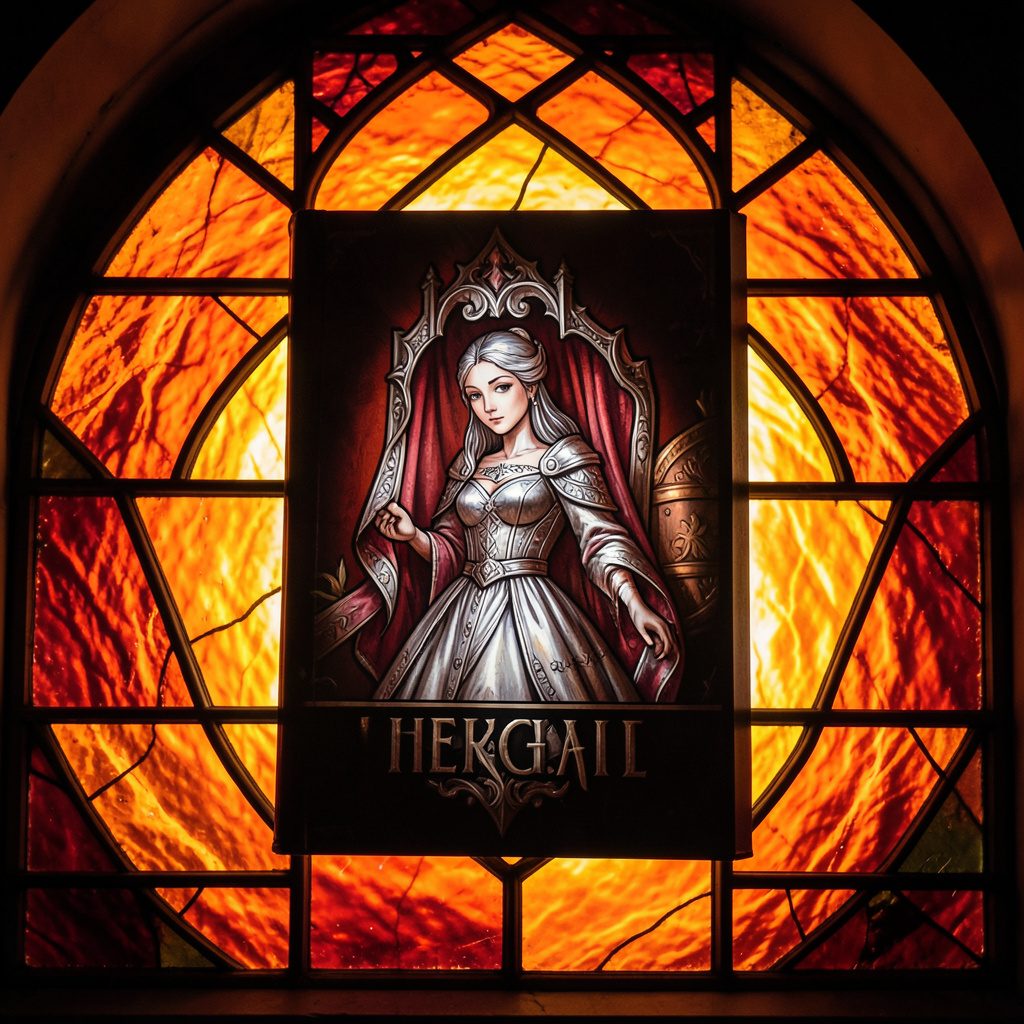
Selected works from across our quarterly issues, gathered into a printed volume. Past print runs have appeared in limited quantities and are available while supplies last.
Volumes cover poetry, short fiction, photography, paintings, drawings, reviews, and interviews — curated to reflect the breadth of artists who have shared their paths in the journal.
Browse Past IssuesInside the Pages
Since 2011, Stone Path Review has hosted contributions from more than twenty artists — poets, photographers, musicians, and filmmakers — along with interviews, readings, and film entries.
Recent volumes have included poetry from Mark Doty and Jim Harrison, an interview with a jazz musician from Minneapolis, MN, and the short film Efflorescence from Deep Field Cinema.

From the Blog
An all-star cast assembled for the fall issue — poetry, short stories, photography, and an interview with a jazz musician from Minneapolis, MN.
Read More →
A featured film entry from Deep Field Cinema, programmed as part of our ongoing screen series.
Read More →
418 Publishing, Inc. was started as the parent company of Stone Path Review, with five issues published by this point.
Read More →
Photography and artist interview, part of an ongoing series highlighting new and established contributors.
Read More →
A recorded poetry reading captured on video and shared alongside the print issue.
Read More →
Browse past quarterly issues of Stone Path Review, available online with limited print quantities.
Read More →