Events
Fall Issue Update
An all-star cast assembled for the fall issue — poetry, short stories, photography, and an interview with a jazz musician from Minneapolis, MN.
Read More →An Artistic Journal · Est. October 2011
A quarterly publication — online and in print — joining poets, photographers, painters, storytellers, and musicians into one open forum for cross-cultural expression.
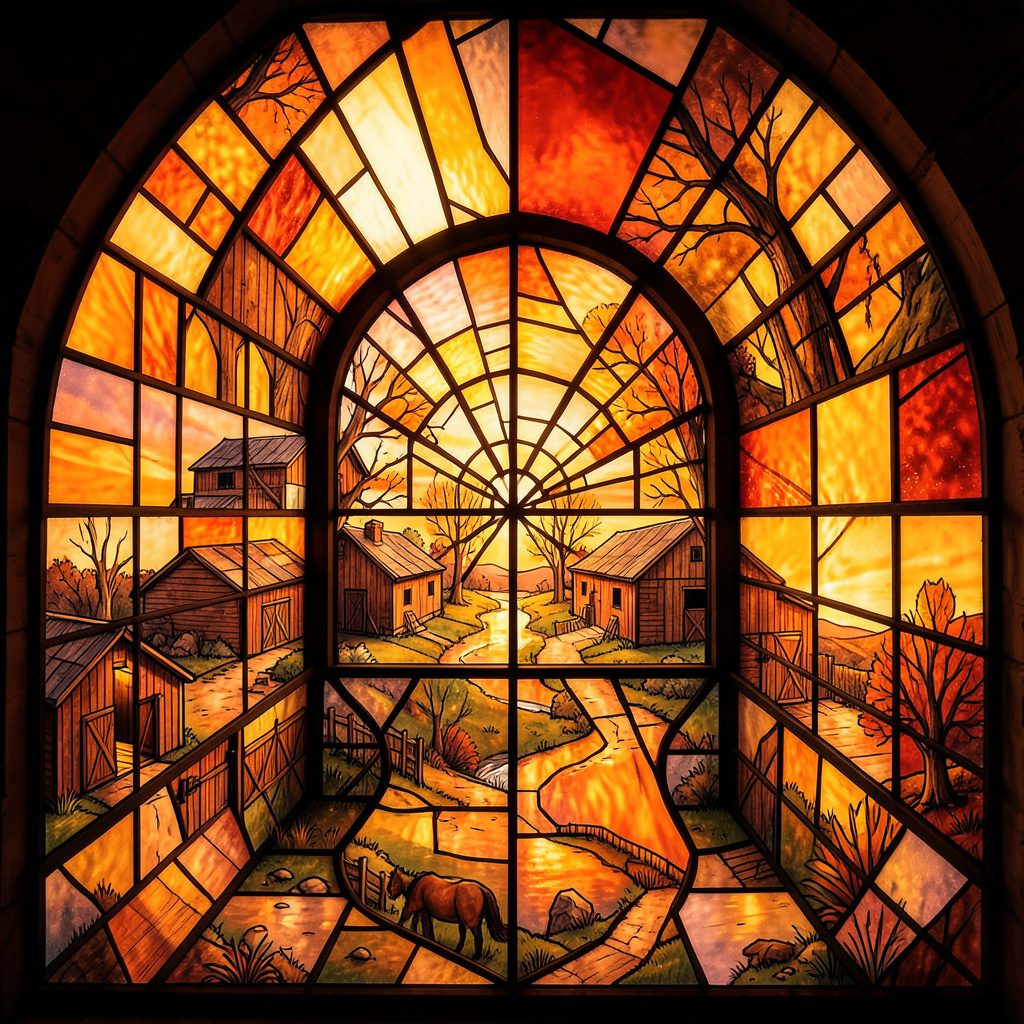
A landscape is usually introduced through sight: a ridge line, a stretch of water, a road disappearing into scrub. It also carries a soundtrack, from wind combing eucalyptus leaves to the compressed hiss of tyres on hot pavement. How to listen to a landscape is to notice these relationships as material for creative work, not merely as atmosphere behind it. Attention shifts the scale, revealing that distant and intimate sounds occupy the same place.
Field notes make that shift practical. A recording, poem, drawing or score can hold an encounter with a place without claiming to reproduce it completely. For artists in Australia, the exercise gains particular richness from environmental contrasts: eucalyptus shade beside bitumen, cicadas under a dry sky, harbour wind against tower glass. The aim is not to harvest a place’s sounds for use elsewhere. It is to develop a sustained, ethically alert relationship with what is already there.
Begin with a walk and no recording device. Listen for ten minutes, then write down the sources you can identify, their direction, distance and relative volume. Is a bird close overhead while traffic stays flattened by distance? Separate foreground, middle ground and background without forcing them into a rigid scale. Notice which sounds demand a response from you and which arrive without permission.
A useful test is to visit a busy threshold at a revealing hour. Before opening, Adelaide Central Market can offer rolling shutters, stacked produce crates, trolley wheels, chillers and fragments of conversation in several languages. Stay still near a side entrance and the soundscape thickens. Compare them with the same doorway during the lunch rush. An ordinary route can reveal a composition whose tempo and density change without a new composition being introduced.
Attention is physical. Notice whether your feet alter the sound, whether your breathing covers a quiet passage, whether your attention follows a voice or stays with the machinery. Headphones can deepen concentration, yet they also remove the spatial cues that make a place legible. Use them selectively. Leave room for live sound and for another person’s presence.
Melbourne’s laneways offer a useful urban counterpoint: a steam wand, spoons striking a cup, a bin lid, bicycle bells and shoes on brick. Because these sounds are folded into daily work and hospitality, a field recording can hold social behaviour as well as atmosphere. Listen for how coffee-shop rhythms overlap with deliveries and passing traffic. Record the same corner at several hours and you will hear a different piece each time.
An account of city-sound improvisation offers a useful parallel: incidental street noises become prompts for musical invention. The lesson for a landscape artist is not that every sound must become a note. It is that accidents within an environment can guide composition. A loose shutter, shifting engine note or sudden bird call may redirect a piece more productively than a predetermined outline.
Make a sound diary during an ordinary trip. Jot timing, texture and emotional temperature rather than attempting to name every source. Later, look for recurring frequencies, pauses and routes. The diary can reveal patterns in acoustic ecology, including the infrastructure that supports a neighbourhood and the rhythms imposed upon it. Its value lies in comparison across days, not in declaring one authentic version of the city.
A phone can make a useful first recording, though a dedicated recorder offers better control and battery life. Choose whichever you can carry comfortably. A windscreen, headphones, spare batteries and a small notebook matter more than expensive specifications. Protect the microphone from wind, give the device time to settle before recording, and monitor levels without watching the screen for the entire take. Each adjustment changes the relationship between place and apparatus.
Record clean passages before moving, then record movement itself. Keep some raw material with handling noise and uneven starts; those textures may become important later. Name files with place, date and time, and preserve the originals. If the plan is to edit, choose the sequence and duration carefully, since every cut can erase the conditions that gave a sound its meaning.
Permission belongs in the recording plan. Recording law varies across Australian states and territories, and people may object to a recognizable voice being published even in a public place. Ask before recording conversations that remain intelligible. At community artists’ markets, obtain permission before capturing stallholders’ voices and negotiate how commercial recordings may be used. For Aboriginal and Torres Strait Islander artists and knowledge holders, listening may already be inseparable from song, story, seasonal knowledge and custodial responsibility. Follow the guidance of relevant Traditional Owners, credit contributors and avoid presenting inherited knowledge as raw material.
Draw a map after returning, while memory is fresh. Mark the route, weather, position, duration and prominent sounds. Use soft marks for fleeting sounds and firm symbols for lasting structures. A recorded walk becomes a sequence of locations and conditions rather than a pin on a map. You might place a note where traffic narrowed to a single car, then another where wind erased the harbour. Keep the ambiguity.
For a visual artist, let the map include intervals, densities and durations. Dense pencil strokes can answer a dense sound environment; open paper might mark a pause. Build the drawing from remembered rhythm instead of illustrated icons. For a writer, each entry can combine sensory detail with a brief note about the social situation. Shared paths reveal where people gather, wait, cross or avoid lingering, giving sound a form of local history.
Weather changes the acoustic character of a site. In Darwin, the first heavy rain of the wet season spreads across corrugated roofs, drains and broad-leaved plants, while engines continue beneath the downpour. A few months later, insects and dry wind may occupy the attention where water did. Revisiting one point can show that a soundscape is an arrangement of conditions, not a fixed object waiting to be recorded.
Animal calls supply time as well as texture. A magpie at dawn, insects at dusk and a currawong further along the street can mark distinct hours without becoming symbolic props. Listen for changes in frequency, direction and distance. Notice how birds settle when human noise subsides, and how footsteps disturb insects. These details can become temporal structures in a score or narrative.
Keep seasonal notes, including temperature, rain and wind direction. Repeat the same exercise at dawn, midday and night. A service station forecourt, a hospital corridor and a suburban footpath can acquire different acoustic identities within a single day. Weatherproof your equipment, respect private property and leave each site as you found it.
Choose a form that carries the encounter’s central tension. A poem might turn on a recurring interval; a short film might align footsteps with a passing train; a painting might use layered veils for accumulated sound. Keep one trace of the original field notes in the finished work. Editing is part of composition, so account for what has been removed and what would change if the context were heard.
Resist translating a landscape into a single mood. Let abrupt, tender and unremarkable elements remain together. Collaboration can deepen the result: a musician may find a pulse in the field recording, a filmmaker may discover a visual counterpoint, and a writer may hear a narrative in the gaps. Agree on permissions before sharing source material, and credit everyone whose knowledge or labour shaped the final piece.
A published field note needs enough context for someone outside the site to understand its choices. Include the date, weather, equipment and method where relevant, along with a plain description of the work. Supply captions or transcripts for audio and video, and distinguish field sound from staged material. For work grounded in Aboriginal or Torres Strait Islander Country, follow the attribution, access and publication protocols agreed with its custodians. Where knowledge is restricted, share only what you are permitted to share.
The range of work in the past issues of Stone Path Review shows how listening can travel between forms. Poems sit beside photographs, while essays, paintings, drawings, music and video meet within the same quarterly forum. Reading across those boundaries can prompt a new treatment of your own recordings, or a visual score for a sound you have carried for years.
An open forum also depends on reciprocal attention. Listen to a contributor whose practice differs from yours, and respond to the work without demanding that it explain itself as a lesson. Australian open studios and weekend makers’ markets provide useful opportunities for this exchange, provided recordings and photographs are made with consent. A generous response can be as valuable as a polished publication.
Make the next walk your opening score. Choose a route you know, set aside ten quiet minutes, and list three sounds you would usually overlook. Mark when each arrives, what changes around it and what you feel compelled to do. Return with a recorder or notebook, make a small archive, and select one fragment for development. A sound diary begun without ambition often becomes the most revealing part of a project.
When the notes are ready, send your work to Stone Path Review. The journal welcomes poems, short stories, essays, reviews, photography, paintings, drawings, music and video, and it accepts submissions without reading or submission fees. Offer a field note, a score or a finished piece that lets readers encounter a particular place through sustained attention. Credit your sources and collaborators, name the conditions that shaped the work, and submit it for an international artistic audience.
Identity & Recognition
Featured Book

Selected works from across our quarterly issues, gathered into a printed volume. Past print runs have appeared in limited quantities and are available while supplies last.
Volumes cover poetry, short fiction, photography, paintings, drawings, reviews, and interviews — curated to reflect the breadth of artists who have shared their paths in the journal.
Browse Past IssuesInside the Pages
Since 2011, Stone Path Review has hosted contributions from more than twenty artists — poets, photographers, musicians, and filmmakers — along with interviews, readings, and film entries.
Recent volumes have included poetry from Mark Doty and Jim Harrison, an interview with a jazz musician from Minneapolis, MN, and the short film Efflorescence from Deep Field Cinema.

From the Blog
An all-star cast assembled for the fall issue — poetry, short stories, photography, and an interview with a jazz musician from Minneapolis, MN.
Read More →
A featured film entry from Deep Field Cinema, programmed as part of our ongoing screen series.
Read More →
418 Publishing, Inc. was started as the parent company of Stone Path Review, with five issues published by this point.
Read More →
Photography and artist interview, part of an ongoing series highlighting new and established contributors.
Read More →
A recorded poetry reading captured on video and shared alongside the print issue.
Read More →
Browse past quarterly issues of Stone Path Review, available online with limited print quantities.
Read More →