Events
Fall Issue Update
An all-star cast assembled for the fall issue — poetry, short stories, photography, and an interview with a jazz musician from Minneapolis, MN.
Read More →An Artistic Journal · Est. October 2011
A quarterly publication — online and in print — joining poets, photographers, painters, storytellers, and musicians into one open forum for cross-cultural expression.
Glass begins as an argument between states. In the furnace it is fluid enough to be gathered, shaped and transferred; in the workshop it becomes responsive but increasingly resistant. A glassblower reads heat, weight and momentum through the pipe, making choices measured in seconds. What a Glassblower Knows about Risk and Form names a practical education in attention: form is not imposed after the material has been mastered, but negotiated while the material is still moving.
That negotiation is physical and immediate. A bubble can be centred, elongated or allowed to settle under its own weight. Colour may spread beautifully, cloud, separate or vanish. A curve that seems generous on the bench can weaken when the piece is reheated for shaping. The maker holds certainty and uncertainty in the same hand, learning when to intervene and when to permit the glass to answer for itself.
The same questions travel through other artistic practices. A musician adjusts pressure, a painter revises an edge, a photographer waits for weather. Glass makes those negotiations unusually visible because heat preserves a direct record of every decision. It also changes rapidly. A trace of hesitation can become a flaw, a fault line or an unexpected feature that gives the finished object its character.
Australian artists encounter those questions in studios, markets and public spaces shaped by particular climates, distances and cultural responsibilities. Melbourne’s inner-north laneways contain small hot shops where furnace schedules, shared equipment and freight costs influence every commission. Canberra brings severe frosts and public institutions into the conversation, while Adelaide’s handmade markets and SALA Festival offer objects a place among paintings, ceramics and fashion. Such settings reward glass for its capacity to hold firelight, reflect a changing sky and turn an everyday ritual into something tactile.
A furnace does not deliver glass at a single temperature. Different areas hold different kinds of heat, and the working range moves as the material cools. The maker gathers a transparent gather, lets it become more viscous, then carries it to a bench where the surface can be rolled on a steel marver. These ordinary actions determine what follows. Too much movement can introduce seeds; insufficient movement leaves the gather uneven and resistant.
Temperature also affects perception. Work that appears secure in cooler glass may deform when returned to the flame. A rim can thin without obvious warning, and stress can gather where the eye cannot yet see it. The experienced hand detects small changes in resistance, but no hand replaces judgement. The safest decision is sometimes the one that abandons a familiar shape before it becomes unsafe.
That distinction between contour and intention also appears in a dancer’s reflections on line and form. Movement across a body and molten glass across a pipe are not identical, yet both demand awareness of where force begins and where it ends. Form becomes credible through attention to pressure rather than display of control.
Once a gather rests on the blowpipe, the maker can introduce air and create a bubble. The amount of breath matters, but so do speed, angle and the steady rotation of the pipe. Gravity pulls the form downward while the blower’s lungs add internal volume. Between those forces lies a narrow field of possibility. Too much air can stretch the walls; too little leaves a heavy form that responds sluggishly.
Hot shops make this cooperation physically demanding. In Melbourne’s winter, the leap from a cold street into a furnace room can change how quickly a maker’s muscles tense, while summer heat makes careful handling more exhausting. Glass may cool between moves in ways the studio has not planned for, particularly when doors are opened for deliveries or visitors. The material inherits the conditions surrounding its making.
In Canberra, outdoor glass faces a harder environmental test. Frost can enter fine seams in a public installation, and strong summer sun can shift how a coloured surface reads from one hour to the next. These conditions do not diminish the artist’s idea; they enlarge it. The best work leaves room for weather as a participant, accepting that the finished form will continue changing after the maker releases it.
A piece can fail before it reaches the kiln. It may twist off the pipe, split along a score line or slump into the marver. The waste can look decisive when seen later, as though failure were part of the design all along. In the moment, it is usually abrupt. The maker hears or feels something change, and the mind rapidly searches for the cause.
Failure also occurs slowly. Internal stress may remain hidden until annealing, when a crack follows a curve that once appeared flawless. This delayed revelation gives glass a particular moral weight. The workshop is not a place where risk disappears, but where its consequences can be examined and learned from. Broken material may be gathered as cullet and melted again, though colour and composition can change in the process.
Public commissions demand an added form of restraint. When Aboriginal artists are involved, the brief must recognise authorship, cultural authority and community protocols rather than treating visual knowledge as interchangeable material. Proper fees, agreed attribution and meaningful consultation are practical conditions, not decorative courtesies. In a field built around molten material, humility is also a technical discipline: knowing what should not be altered is part of knowing how to shape safely.
A finished object can travel thousands of kilometres and still arrive damaged. A chair, a glass or a wrapped panel may travel from Melbourne to Perth, yet the route introduces vibration, pressure changes and handling by people who never see the maker at work. Each stage of packing creates a new surface that can mark, chip or stress the glass. Freight insurance may cover a declared value, but it cannot restore the lost encounter between maker and material.
Distance also changes the market. Melbourne studios can share photographs, test objects and practical knowledge across a dense network of galleries and workshops. In Sydney, design stores and galleries place glass beside furniture, fashion and ceramics, while the state’s container-deposit scheme keeps some used glass moving through collection and recycling channels. In Adelaide, handmade markets during the SALA Festival connect vessels with visitors who may first encounter them in the hand, then carry them home in a carefully padded box.
Public art offers another setting, one where touch is exchanged for movement around the work. A fountain, window or suspended form changes according to the people passing through its space. A study of public joy captures how civic design invites participation rather than preserving a fixed boundary between object and viewer. Glass can produce a comparable exchange through reflection, colour and transparency, revealing both the installation and the street around it.
Good glass teaching combines inherited knowledge with deliberate experiment. A maker may know the proportions of a particular cup while still testing how a local mould changes the weight of its base. Repetition protects craft, but it can also conceal assumptions. Opening a practice to new materials, collaborators or audiences allows technique to remain alive rather than becoming a display of purity.
The kiln offers a useful model. Its schedule is designed to protect the work through controlled cooling, yet the finished vessel depends on interactions that cannot be reduced to a recipe. This balance between discipline and responsiveness applies to artistic risk generally. The aim is not to manufacture surprise, but to create conditions in which surprise can become intelligible.
There is also value in recording what went wrong. Notes about a failed gather, an uneven rim or a kiln crack can help another maker avoid the same loss. Shared documents reduce isolation, particularly for independent studios working with limited resources. They can show that risk is not a solitary temperament but a field of knowledge built through attention, repair and exchange.
The furnace teaches patience, but it does not teach hesitation. Heat rewards a clear decision and punishes delay, while the finished glass asks the maker to live with the consequences. A vessel may hold the memory of an uncertain movement as readily as the evidence of a confident one. Its beauty can include both intention and accident without pretending they are equal.
This tension extends beyond the studio. Artists working across cultures and disciplines often discover that form gains meaning through relationships: between material and maker, object and viewer, local conditions and inherited technique. A shared platform can support that exchange by placing words beside images and performances beside objects, allowing encounters that a single discipline or market might not produce.
For readers interested in new work from Stone Path Review, join the mailing list to receive forthcoming essays, poems, stories, reviews and visual projects from artists around the world.
Identity & Recognition
Featured Book
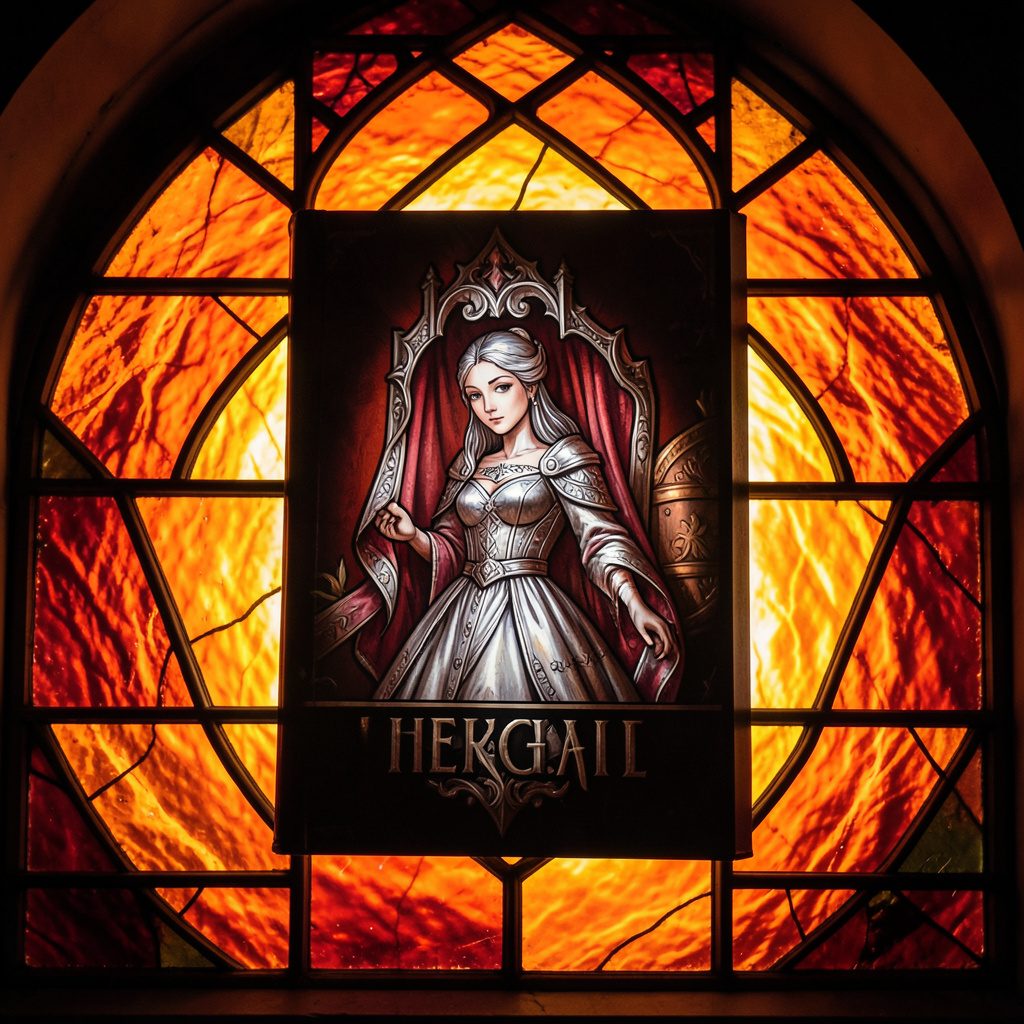
Selected works from across our quarterly issues, gathered into a printed volume. Past print runs have appeared in limited quantities and are available while supplies last.
Volumes cover poetry, short fiction, photography, paintings, drawings, reviews, and interviews — curated to reflect the breadth of artists who have shared their paths in the journal.
Browse Past IssuesInside the Pages
Since 2011, Stone Path Review has hosted contributions from more than twenty artists — poets, photographers, musicians, and filmmakers — along with interviews, readings, and film entries.
Recent volumes have included poetry from Mark Doty and Jim Harrison, an interview with a jazz musician from Minneapolis, MN, and the short film Efflorescence from Deep Field Cinema.
From the Blog
An all-star cast assembled for the fall issue — poetry, short stories, photography, and an interview with a jazz musician from Minneapolis, MN.
Read More →
A featured film entry from Deep Field Cinema, programmed as part of our ongoing screen series.
Read More →
418 Publishing, Inc. was started as the parent company of Stone Path Review, with five issues published by this point.
Read More →
Photography and artist interview, part of an ongoing series highlighting new and established contributors.
Read More →
A recorded poetry reading captured on video and shared alongside the print issue.
Read More →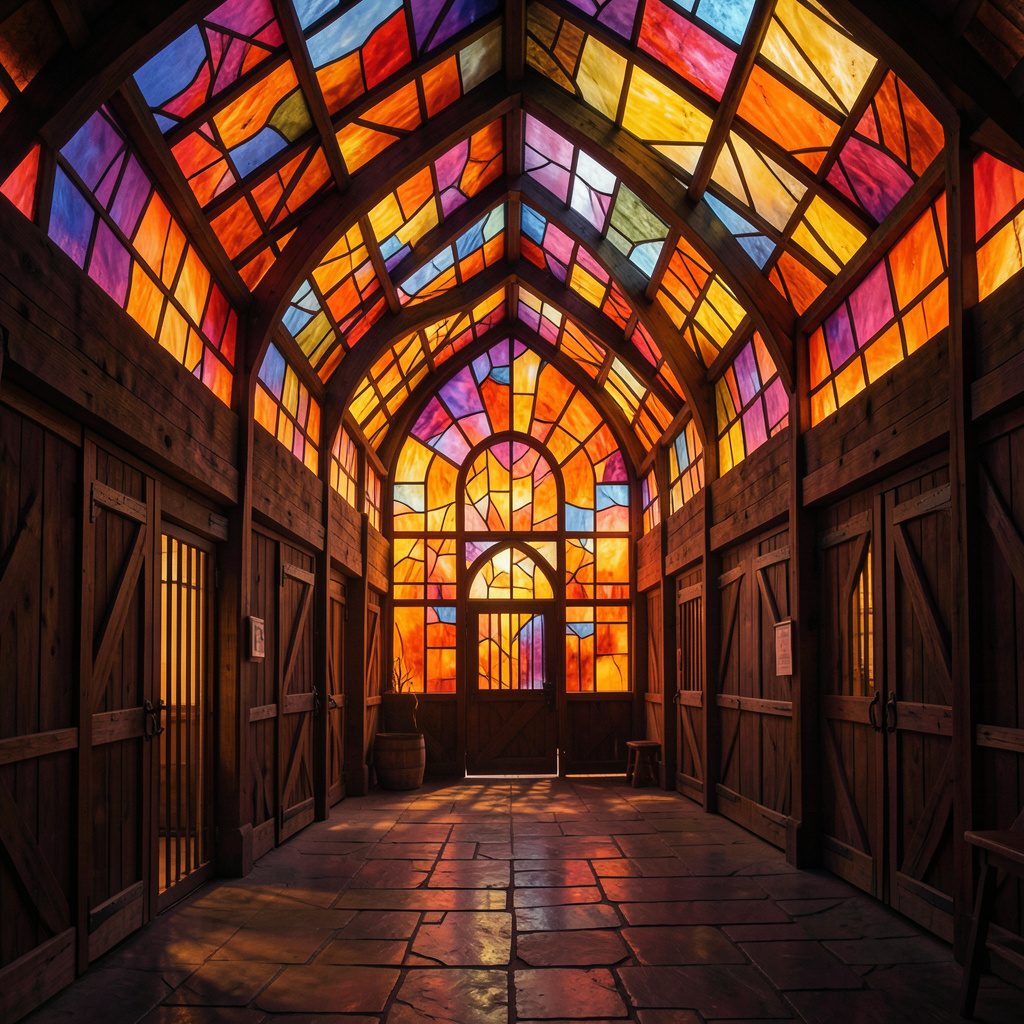
Browse past quarterly issues of Stone Path Review, available online with limited print quantities.
Read More →