Events
Fall Issue Update
An all-star cast assembled for the fall issue — poetry, short stories, photography, and an interview with a jazz musician from Minneapolis, MN.
Read More →An Artistic Journal · Est. October 2011
A quarterly publication — online and in print — joining poets, photographers, painters, storytellers, and musicians into one open forum for cross-cultural expression.
The Workshop as a Crucible for Poetry names a simple but demanding idea: making a poem can benefit from heat, friction and other people in the room. A workshop is neither a classroom for polished work nor a solitary desk where doubt can harden. It is a place where drafts can be spoken, tested, broken and rebuilt. The crucible does not produce a poem by formula; it exposes weak joins and leaves room for stronger material to surface.
For Australian poets, that room might be a borrowed space above a Melbourne laneway, a suburban community hall or an online gathering. Its real equipment is a sequence: someone reads, someone listens, someone asks a precise question, and the writer returns to the page. The purpose is not agreement but sharper attention. A poem may leave quieter, stranger or more ambitious than it entered, and that change is the clearest sign that the exchange has mattered.
Every workshop has the equivalent of a studio grammar: chairs facing one another, a table for water and notes, a clock, and an agreement that attention will move from the page to the reader. The reflection on a painter's studio puts the same question to visual practice. A creative room is not neutral. Its light, noise and arrangement tell the practitioner what kind of risk feels permitted. A poem absorbs those cues before the first line is revised.
Climate can alter that permission in unexpectedly practical ways. A Perth summer workshop may begin before the heat settles, with water bottles beside manuscripts and readings timed before the day becomes hard to think through. In Canberra, winter light can sharpen the room while frost obscures the windows. Neither detail is merely picturesque; it changes cadence, attention and the amount of spoken work a poet can sustain. A reliable workshop notices these conditions rather than treating them as interruptions.
Stimulation also needs boundaries. Too many observers can make a draft feel like a performance, while too little exchange leaves the writer marinating in private suspicion. The useful middle is a small, attentive group in which each reader offers one observation tied to language, structure or sound. The poet then decides what the poem requires. In a healthy room, feedback remains material rather than authority, and silence is allowed to sit beside suggestion.
Prompts loosen the first obstacle: the fear of the blank page. A line, an image, a remembered phrase or a deliberate constraint can start a draft, but the prompt matters less than what follows. Once words appear, the workshop becomes a testing ground. Does the line carry its weight? Where does the rhythm falter? Which image has been explained twice? These questions move craft away from taste and toward choices the poet can make.
Australian workshop conversation is often wonderfully direct. Someone may call a weak ending “a bit flat”, mention a session beginning at arvo, or say “fair dinkum” when a plain sentence has more force than an ornate one. Such speech can sharpen a session when it names the work without flattening the person. It becomes less useful when informality becomes evasion. The facilitator’s task is to turn “I liked it” or “it felt off” into language about pace, sound and intention.
Reading aloud is central to that conversion because the ear hears what the eye forgives. A regular group can compare a poem’s spoken duration with its printed shape, and can notice where a private reference remains opaque. Constructive readers do not rewrite the poem for its author. They describe the effect, locate a transition that breaks the spell and ask a question the writer can answer through another draft. With consent, the room becomes an instrument; without consent, exposure can silence the very work it claims to support.
Sound can also lead a poet beyond language on the page. A site such as Moratoria MU310 can prompt a cross-disciplinary listening exercise in which musicians, visual artists and poets test a shared phrase, a room tone or a loop against a new text. The exercise need not produce a hybrid artwork; it can simply reveal that a line wants duration, interruption or silence rather than explanatory language.
Poetry does not arrive without material from elsewhere: overheard speech, field notes, inherited images, rhythms borrowed from work and place. A workshop must therefore treat every found fragment as carrying history, not as raw material free of obligation. The poet can ask where a phrase came from, who might be harmed by its use and whether transformation is genuine or merely decorative. This ethical attention slows the poem down, which is often what deep work requires.
Archives and listening practices offer another way to reconsider ownership. The essay on rediscovering lost recordings shows how works can return to public life through careful contextual care. Poetry can undergo a similar recovery. An abandoned draft may need new permission, a sharper frame or a different presentation; what matters is that its reappearance carries an honest account of who made it and what changed along the way.
Residencies in the Blue Mountains make this principle concrete: weather can close a road, insects can enter the studio, and a sudden cloud can erase the view that framed yesterday’s composition. Such constraints sharpen attention because repetition becomes costly. The poet may preserve the weather in a notebook, then ask whether it belongs in the poem or only in its making. Borrowed sound, observed place and personal memory can be braided without pretending they originated in the same mouth.
A productive workshop needs a clear brief and a humane sequence. Participants should know who will read the work, whether notes are shared, how long feedback will take and what remains confidential. Transparent conditions matter because promotional language can conceal the terms of an exchange. A no deposit bonus explainer, for example, illustrates why a headline promise needs close reading; a workshop brief should likewise state the practical conditions before anyone commits their time or vulnerability.
Before the session, prepare the ground:
During and after the exchange, keep the process accountable:
Repetition is what turns a pleasant session into a practice. The same poem can return after a week of ordinary life, when the workshop’s charge has both settled and faded. A revised draft may then reveal which advice was structural and which was merely personal preference. Writers who keep prompts, marked-up copies and brief reading notes can trace the poem’s development without turning the process into a bureaucratic log. The purpose of the record is continuity, not surveillance.
The final stage of the crucible is publication or performance, where a private process meets readers who did not attend the workshop. Some poems are ready for that encounter after a single revision; others need months of distance, further readings and a final decision about what can be left unresolved. The transition is not a victory over uncertainty. It is an act of hospitality, offering the poem to readers who will complete it in ways its maker could not predict.
For poets in Australia, Stone Path Review offers an open route into that public stage. The quarterly journal publishes online and in print, welcomes poetry alongside fiction, essays, visual art, music and video, and is published by the nonprofit parent organisation, 418 Publishing, Inc. Its submission model has no reading or submission fees. That matters in a small-press cultural market where access can otherwise be narrowed by cost, geography and insider knowledge. The journal’s cross-cultural open forum gives Australian work a channel beyond local networks without requiring it to shed its own context.
Choose one poem that has already survived a workshop, give it one final revision, and place it where readers can meet it. Browse Stone Path events for a reading, screening or online gathering connected to the journal, then follow the current submission guidance when you are ready to send the work. For writers across Australia, the next step can be as simple as this: put one finished poem on the page, set a date, and begin the conversation that publication makes possible.
Identity & Recognition
Featured Book
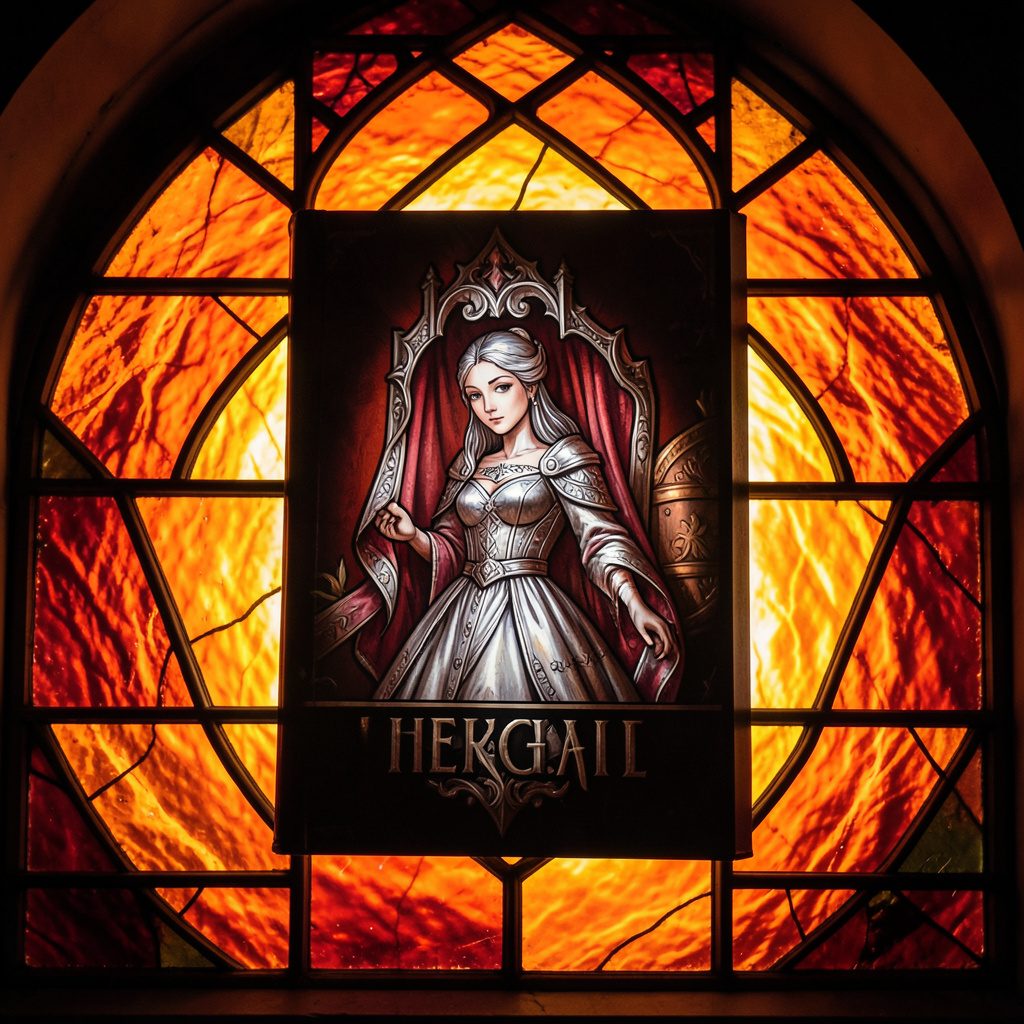
Selected works from across our quarterly issues, gathered into a printed volume. Past print runs have appeared in limited quantities and are available while supplies last.
Volumes cover poetry, short fiction, photography, paintings, drawings, reviews, and interviews — curated to reflect the breadth of artists who have shared their paths in the journal.
Browse Past IssuesInside the Pages
Since 2011, Stone Path Review has hosted contributions from more than twenty artists — poets, photographers, musicians, and filmmakers — along with interviews, readings, and film entries.
Recent volumes have included poetry from Mark Doty and Jim Harrison, an interview with a jazz musician from Minneapolis, MN, and the short film Efflorescence from Deep Field Cinema.
From the Blog
An all-star cast assembled for the fall issue — poetry, short stories, photography, and an interview with a jazz musician from Minneapolis, MN.
Read More →
A featured film entry from Deep Field Cinema, programmed as part of our ongoing screen series.
Read More →
418 Publishing, Inc. was started as the parent company of Stone Path Review, with five issues published by this point.
Read More →
Photography and artist interview, part of an ongoing series highlighting new and established contributors.
Read More →
A recorded poetry reading captured on video and shared alongside the print issue.
Read More →
Browse past quarterly issues of Stone Path Review, available online with limited print quantities.
Read More →