Events
Fall Issue Update
An all-star cast assembled for the fall issue — poetry, short stories, photography, and an interview with a jazz musician from Minneapolis, MN.
Read More →An Artistic Journal · Est. October 2011
A quarterly publication — online and in print — joining poets, photographers, painters, storytellers, and musicians into one open forum for cross-cultural expression.
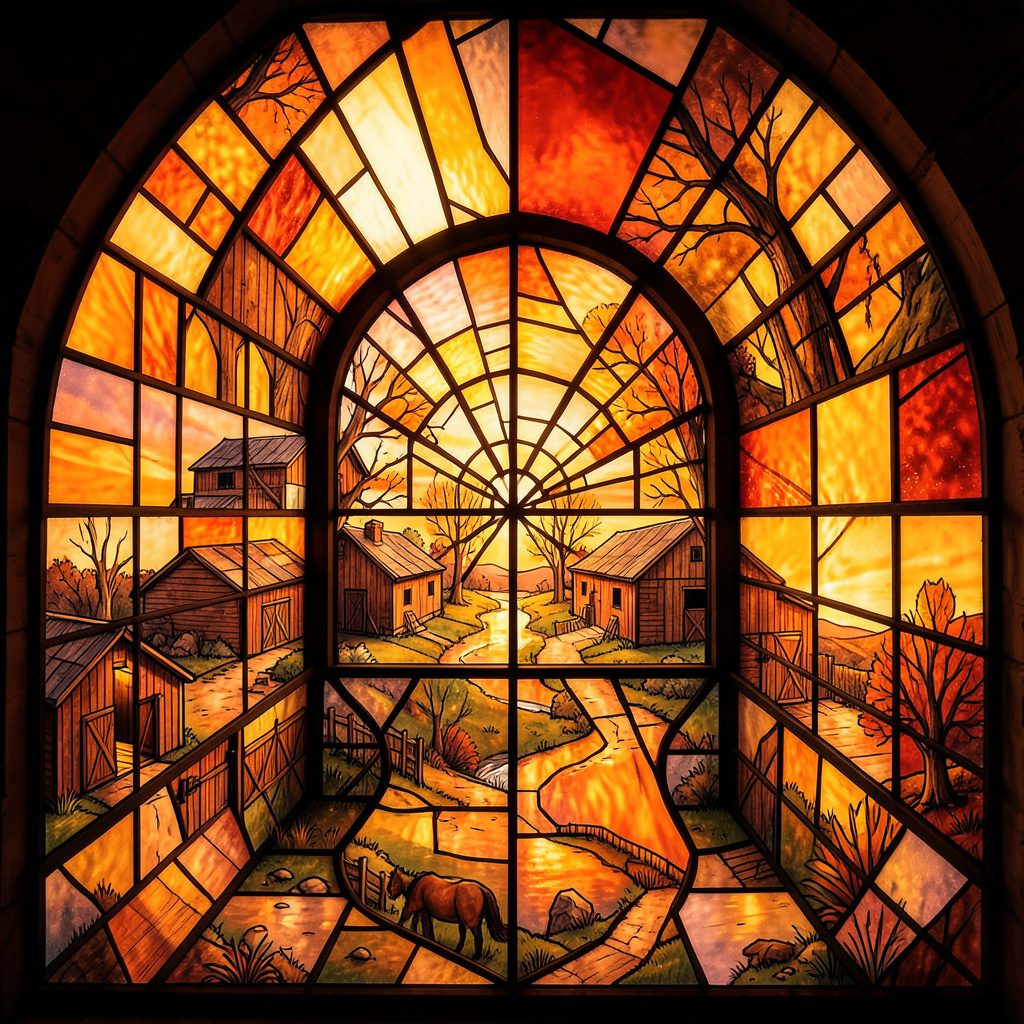
A painter’s studio is rarely only a room for making paintings. It is an apparatus for thinking: books, jars of cloudy solvent, brushes, scraps and stretched canvas gather into mental scenery. Surfaces catch changing light, while objects preserve earlier decisions and abandoned ideas. The familiar objects become an archive of intention, linking the person who planned a picture with the person who finally made it. Learn more about Videolla Kaveri Yrittää Syödä Chilipaprikaa Tuloksena Kaaos.
The studio can therefore be read as an externalised mind. Its order shifts with the work; its disorder may hold what a tidy room would exclude. A wall of finished studies, a crowded bench and an untouched corner can express different needs for control, play, concentration or retreat. Even a chair angled toward the wall can reveal a wish to work inward rather than perform for a visitor.
That does not make a studio a reliable psychological portrait. Artists revise themselves as readily as they revise images. The room is most revealing when treated as a record of attention: what is kept within reach, what is allowed to fade, and what the painter repeatedly returns to.
The placement of an easel establishes a physical grammar for looking. A canvas directly before the painter encourages measured confrontation; a canvas laid flat invites the eye to travel and the hand to enter the picture. A stool positioned near the wall can support long looking, while a worktable beside the window becomes a place for mixing, testing and argument. Scale, distance and sightline become decisions about what can be known at once.
Light makes that grammar unstable. North-facing windows in Melbourne or Hobart offer relatively steady illumination, while Sydney’s stronger sun and glare can flatten colour or bleach a canvas placed too close to the glass. Curtains, blinds and a change of angle become decisions about pace. The painter is not simply observing weather; the studio absorbs it. In coastal humidity, drying may be slower, so the calendar of the studio expands beyond immediate attention.
Material preparation links thought to touch. Pigment can be ground, washed, dried and rediscovered months later, carrying the marks of one season into another. The practical craft of mixing earth pigments shows how mineral colour can resist expectation, retaining the history of its material source. Such resistance gives a painter something tangible to push against, making the studio an active collaborator rather than a neutral container.
Tools become a vocabulary of intentions. A broad brush suggests breadth; a rigger needle favours precision; an old fan brush may be chosen because its broken edge releases a mark no newer tool would make. The nearest objects are often the most revealing, because availability quietly shapes ambition. A palette knife may be kept for its decisiveness even when the current painting needs softness.
Ways attention gathers
These objects do not stand for fixed personality types. Their meanings change from project to project and from morning to evening. The same row of jars may support a disciplined series, a chaotic palette study or a period of recovery after a difficult painting. Meaning depends on duration, fatigue and the project under way.
Objects worth keeping close
Keeping these things close creates continuity between one session and the next. Their worn handles and accumulated stains become a kind of notation, recording touch before the painted surface can. A well-used grip can also recall the pressure of an earlier hand, linking present decisions to embodied memory.
Colour often carries the emotional pressure of a decision. A yellow that seemed cheerful on the palette can become uneasy beside a blue-grey, while a restrained green may carry the charge of a remembered garden. The painter experiences colour as appetite and argument: something to take, dilute, test or refuse.
Control is rarely complete. The useful lesson in this chaotic paprika experiment is that a vivid material can exceed the simple plan made for it. Pigment behaves similarly. It can stain, separate, fade or surprise the person who selected it, forcing the hand to adjust and the mind to surrender certainty.
| Visible studio sign | Possible inner life | Creative use |
|---|---|---|
| A carefully ordered wall | A desire to compare and measure | Arrange studies as a sequence of changing intentions |
| A crowded mixing corner | An appetite for unresolved inquiry | Reserve one area for tests with no predetermined outcome |
| One colour repeated across works | A persistent memory or concern | Build a series around that colour’s shifting meanings |
| An empty centre on the bench | A deliberate pause or need for clarity | Leave it empty until a new direction earns its place |
| An old canvas pulled forward | Readiness to revise the past | Re-enter the earlier image and answer it from the present |
Such correspondences remain provisional. The studio can reveal a mood without explaining its cause, and the artist’s mood can be created by the room rather than merely reported through it. A tidy corner may bring relief; clutter may supply resistance against too much certainty. The most useful reading stays open to contradiction.
The deeper subject is often identity without confession. Materials gather local associations: sandstone from one region, eucalyptus leaves from another, family colours, paint-shop memories. A painter arranges these fragments into an inner landscape, choosing what feels coherent while leaving gaps for uncertainty.
Australian studios are often tucked into inner-city neighbourhoods: converted warehouses in Melbourne’s Brunswick, spare rooms and shared workshops in Sydney’s Surry Hills, breezy artist spaces in Brisbane’s West End. Rent, zoning, transport and household noise all shape the creative field. The room available can determine the scale of a work before any aesthetic decision is made.
Daily habits quietly organise that field. A flat white beside the easel, a BYO lunch in the shared fridge, and a short walk to buy gesso or stretched linen can become studio rituals. At weekend craft markets such as Melbourne Makers Market, or among artisan stalls at Adelaide Central Market, finished paintings meet a public that may respond quickly to colour, size and price. The market tests private work against immediate attention.
Regulation also reaches into this creative life. Under the Copyright Act 1968, authorship and ownership of an artwork can be distinct, while moral rights protect attribution and integrity, subject to legal exceptions. State and territory work health and safety laws also govern hazardous materials in professional studios. Keeping safety data sheets, labelling solvent jars and ventilating the workspace are practical parts of sustaining a serious practice.
The studio gains a second life when its process becomes visible. Visitors can see where a painting began, how its scale changed and which discarded version mattered enough to keep. Photography, artist talks and public studio days turn private hesitation into shared observation, allowing readers to encounter the hand behind the image without pretending that process is simple.
Stone Path Review’s studio events calendar provides a place to find such encounters online and in print. Reviews, essays, recordings and conversations can sit beside the work, expanding a solitary practice into a cultural exchange. For Australian artists, this kind of international forum can complement local galleries and markets while preserving the specificity of a particular room, light and working rhythm.
Visit the events calendar, choose a gathering that speaks to your practice, and attend with a work in progress open to discussion. Share the image, sound or story that reveals how an idea became physical. Open the studio door, contribute to the exchange and let the unfinished work begin its next transformation.
Identity & Recognition
Featured Book
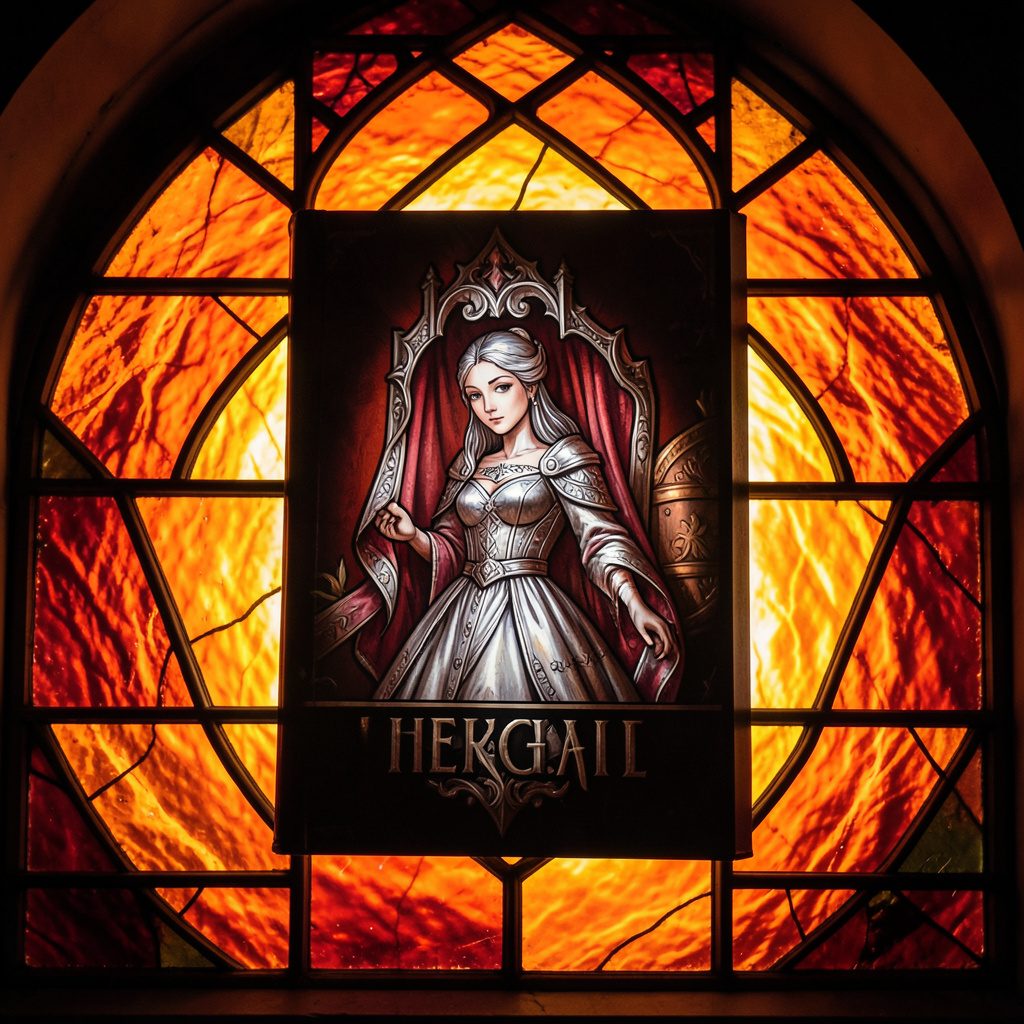
Selected works from across our quarterly issues, gathered into a printed volume. Past print runs have appeared in limited quantities and are available while supplies last.
Volumes cover poetry, short fiction, photography, paintings, drawings, reviews, and interviews — curated to reflect the breadth of artists who have shared their paths in the journal.
Browse Past IssuesInside the Pages
Since 2011, Stone Path Review has hosted contributions from more than twenty artists — poets, photographers, musicians, and filmmakers — along with interviews, readings, and film entries.
Recent volumes have included poetry from Mark Doty and Jim Harrison, an interview with a jazz musician from Minneapolis, MN, and the short film Efflorescence from Deep Field Cinema.
From the Blog
An all-star cast assembled for the fall issue — poetry, short stories, photography, and an interview with a jazz musician from Minneapolis, MN.
Read More →
A featured film entry from Deep Field Cinema, programmed as part of our ongoing screen series.
Read More →
418 Publishing, Inc. was started as the parent company of Stone Path Review, with five issues published by this point.
Read More →
Photography and artist interview, part of an ongoing series highlighting new and established contributors.
Read More →
A recorded poetry reading captured on video and shared alongside the print issue.
Read More →
Browse past quarterly issues of Stone Path Review, available online with limited print quantities.
Read More →