Events
Fall Issue Update
An all-star cast assembled for the fall issue — poetry, short stories, photography, and an interview with a jazz musician from Minneapolis, MN.
Read More →An Artistic Journal · Est. October 2011
A quarterly publication — online and in print — joining poets, photographers, painters, storytellers, and musicians into one open forum for cross-cultural expression.
Hand-drawn animation is returning to public attention with a different kind of energy. It is not simply being revived as a nostalgic craft, nor positioned as an alternative to digital production. Across independent films, music videos, gallery installations and online shorts, artists are using drawn movement to make space for hesitation, texture and intimate observation.
This renewed interest matters because animation can carry ideas that live action often cannot. A trembling line can suggest memory, a repeated gesture can turn into ritual, and a painted background can hold the emotional weather of an entire story. In an age of polished visual content, the handmade mark has become a form of resistance to speed and uniformity.
The appeal of frame-by-frame drawing begins with its visible effort. Each image bears evidence of a hand making decisions: how far a figure moves, where a shadow falls, whether a line remains steady or breaks apart. The viewer may not consciously count those choices, yet they feel the presence of a person behind the image.
This quality gives drawn animation an unusual closeness to poetry. Both forms depend on compression, rhythm and suggestive gaps. A short sequence can imply a lifetime through a few recurring images, while a modest change in posture can carry the weight of an entire conversation. The work invites attention without demanding spectacle.
Contemporary animators are also combining traditional cel animation, graphite, charcoal, watercolour, ink, cut paper and rotoscoping. Digital tools may assist with scanning, compositing or colour correction, but they do not erase the physical origin of the image. The result is a hybrid practice that keeps the grain of analogue art while using flexible contemporary workflows.
The polished surface of commercial animation has its own power, but hand-drawn work offers another vocabulary. Uneven edges, smudged pigments and shifts in proportion can express uncertainty more honestly than perfect rendering. They allow a character to feel remembered rather than manufactured.
This is especially effective in stories about grief, migration, illness, childhood and changing landscapes. In such subjects, visual instability becomes part of the meaning. A house may stretch when a memory becomes threatening; a face may dissolve when a name is forgotten; a landscape may be redrawn repeatedly as belonging changes.
The quiet revolution lies in this permission to leave traces. Artists do not need to conceal every correction or smooth every transition. A visible erasure can function like a pause in a poem, making the process of thinking part of the finished work. The animation becomes both image and record of attention.
Australia has a strong relationship with illustrated storytelling, from independent comics and editorial drawing to experimental film and animation made for public broadcasters. In Melbourne, artists can encounter moving-image and design communities through spaces such as ACMI, while Sydney offers a dense network of filmmakers, illustrators, galleries and music venues. These local ecosystems help short animation move between screen culture and visual art.
The Australian market also rewards adaptable creators. A small studio may produce a music clip for a Brisbane band, a title sequence for a Sydney theatre company and an educational commission for a regional arts organisation. Screen Australia funding, state-based screen agencies and festival programs can support ambitious work, although artists often combine several income streams to sustain a personal film.
Local conditions shape the imagery as well. Harsh summer light, long distances, suburban sprawl and the visual language of roadside towns provide material distinct from European or North American animation traditions. First Nations artists also continue to develop powerful visual approaches grounded in Country, story and cultural authority. Any engagement with Indigenous motifs must be informed, collaborative and respectful rather than decorative.
Australian audiences are accustomed to crossing between forms. A single program might place an animated short beside experimental video, spoken word or live music. That openness creates room for hand-drawn animation to be treated as literary, cinematic and fine-art practice at once.
The discipline of frame-by-frame animation changes how an artist understands time. In live action, a camera records duration continuously. In drawn animation, duration is constructed through choices about repetition, omission and interruption. A held drawing can feel contemplative; a rapid succession of marks can create panic or delight.
This makes timing as important as style. A character who takes too long to turn their head may appear burdened, while the same movement accelerated can suggest shock. Even a blank frame has expressive force. It may represent silence, absence or a moment when the mind cannot yet form an image.
Artists working digitally can preserve this sensitivity by resisting the temptation to over-edit. Onion-skinning, motion interpolation and reusable assets are useful tools, but they should serve the emotional logic of the piece. When every movement is made equally fluid, the viewer loses the contrast between effort, stillness and release.
The most memorable sequences often contain visual motifs that return with subtle changes. A bird, window, road or cup can gather meaning each time it appears. Like a refrain in a song or a repeated image in an essay, the motif creates structure without explaining itself.
Hand-drawn animation is frequently discussed as a visual art, yet its emotional force depends heavily on sound. Pencil noise, footsteps, breath, room tone and carefully placed silence can make a simple drawing feel physically present. Sound can also widen the world beyond the edges of the frame.
Independent animators are increasingly collaborating with composers, field-recordists and musicians. An artist in Adelaide might work with a sound designer in Hobart, sending rough sequences back and forth until movement and audio begin to shape one another. This exchange can produce richer results than adding a soundtrack after the images are locked.
Music videos provide a particularly fertile space for this process. A hand-painted sequence can respond to rhythm without illustrating lyrics directly. It may translate bass into expanding circles, turn a vocal pause into a frozen figure or use colour changes to follow the architecture of a song.
The relationship between drawn image and written language is equally open-ended. A short animation can borrow the compression of a sonnet, the fragmentation of a diary or the cadence of an essay. Stone Path Review’s digital sonnet essay considers how an old poetic form can be reimagined through contemporary media, a useful perspective for animators building visual rhythm from literary structures.
The renewed interest in analogue animation is not limited to one country or artistic tradition. Creators across Asia, Europe, Africa and the Americas are using hand-drawn marks to explore displacement, ecological change, family history and political memory. Online distribution allows these works to meet audiences far beyond the locations in which they were made.
Cross-cultural exchange works best when it involves attentive looking rather than quick borrowing. Artists can learn from different approaches to gesture, pattern, storytelling and duration while recognising the histories attached to those forms. Translation may occur through collaboration, subtitling, shared residencies or conversations between writers and visual artists.
For Australian creators, this international dialogue can be especially valuable because geographic distance has long encouraged local artists to build networks beyond the country. A short film made in Perth can reach a festival in Seoul or Rotterdam, while an animator in Canberra can find collaborators through an online publication. The exchange expands possibility without requiring the work to abandon its local character.
An open forum such as Stone Path Review can support this movement between disciplines. When poems, photographs, stories, paintings, music and video appear in the same cultural space, audiences become more receptive to work that refuses a single category.
A sustainable hand-drawn animation practice depends on manageable decisions. Artists do not need a large studio or expensive equipment to begin. A desk, paper, a basic recording setup and a clear visual idea can be enough for a first short. The important task is to create conditions that allow sustained attention.
The following approaches can help makers develop work without losing the qualities that make it personal:
A practical workflow can protect the artistic centre of a project. Separate experimentation from production, label files carefully and keep low-resolution copies for review. These simple habits reduce technical stress and leave more energy for the decisions that viewers actually feel.
The future of drawn animation will not be confined to cinema screens. It can appear in gallery projections, artist books, live performances, mobile installations, educational resources and interactive websites. Its modest scale makes it well suited to intimate venues, while its visual richness allows it to expand into large architectural displays.
This flexibility also changes how audiences encounter the work. A viewer may first see a ten-second fragment on a phone, then seek out the full film at a festival or exhibition. Short-form circulation can act as an invitation rather than a replacement for sustained viewing.
Publication has an important role in that ecosystem. Journals can preserve process notes, sketches and critical responses alongside finished films, giving readers a fuller sense of how an artwork came into being. They can also connect animation with fiction, poetry, photography and criticism rather than treating it as a specialist corner of screen culture.
The people shaping that kind of editorial exchange are outlined in the editorial team, whose work reflects a broad commitment to artists, writers and image-makers. For emerging animators, this kind of platform can offer recognition without requiring a work to fit commercial expectations.
Artists working with drawn movement can submit short films, visual essays, storyboards, still sequences or reflections on process to suitable publications and festivals. Readers can support the form by attending screenings, buying independent editions, sharing thoughtful criticism and making time for work that unfolds slowly. Visit Stone Path Review, explore its cross-disciplinary archive and send forward the images, sounds and stories that deserve a wider life.
Identity & Recognition
Featured Book
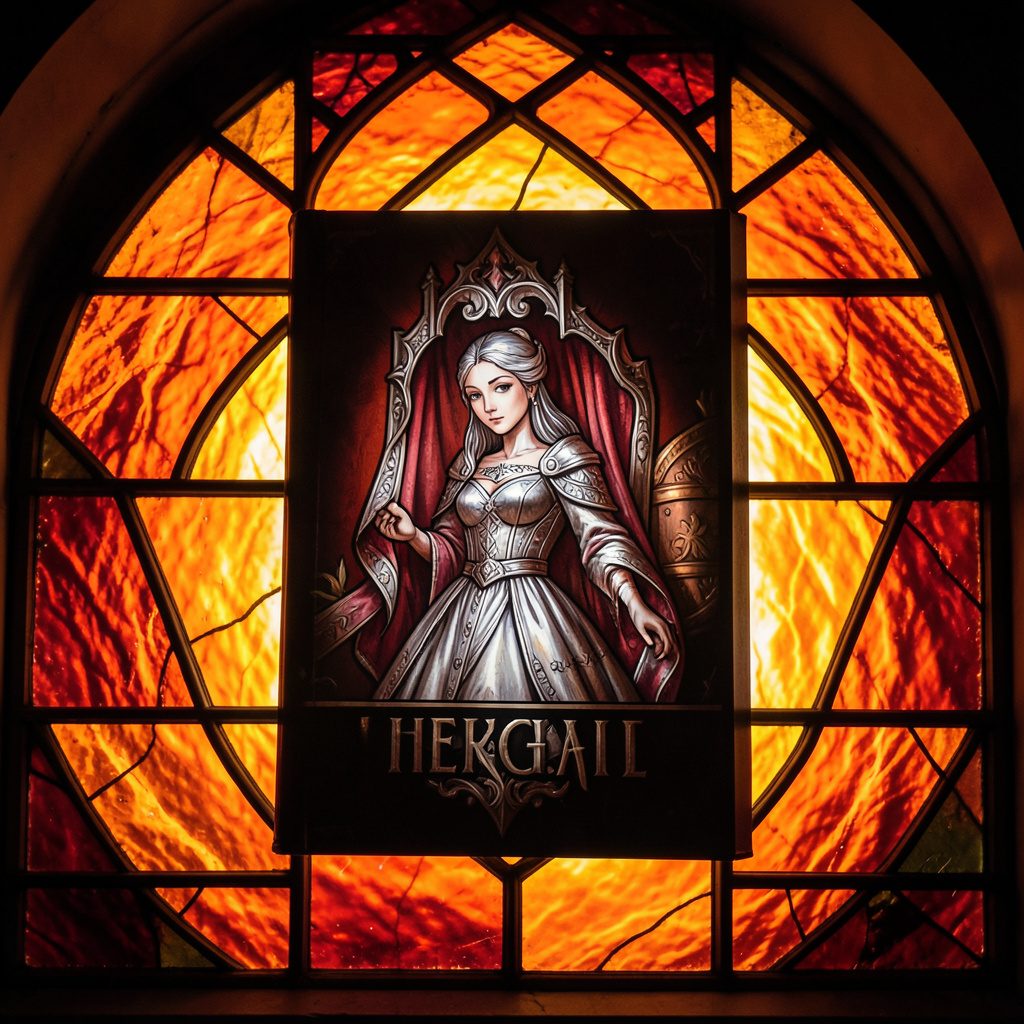
Selected works from across our quarterly issues, gathered into a printed volume. Past print runs have appeared in limited quantities and are available while supplies last.
Volumes cover poetry, short fiction, photography, paintings, drawings, reviews, and interviews — curated to reflect the breadth of artists who have shared their paths in the journal.
Browse Past IssuesInside the Pages
Since 2011, Stone Path Review has hosted contributions from more than twenty artists — poets, photographers, musicians, and filmmakers — along with interviews, readings, and film entries.
Recent volumes have included poetry from Mark Doty and Jim Harrison, an interview with a jazz musician from Minneapolis, MN, and the short film Efflorescence from Deep Field Cinema.
From the Blog
An all-star cast assembled for the fall issue — poetry, short stories, photography, and an interview with a jazz musician from Minneapolis, MN.
Read More →
A featured film entry from Deep Field Cinema, programmed as part of our ongoing screen series.
Read More →
418 Publishing, Inc. was started as the parent company of Stone Path Review, with five issues published by this point.
Read More →
Photography and artist interview, part of an ongoing series highlighting new and established contributors.
Read More →
A recorded poetry reading captured on video and shared alongside the print issue.
Read More →
Browse past quarterly issues of Stone Path Review, available online with limited print quantities.
Read More →