Events
Fall Issue Update
An all-star cast assembled for the fall issue — poetry, short stories, photography, and an interview with a jazz musician from Minneapolis, MN.
Read More →An Artistic Journal · Est. October 2011
A quarterly publication — online and in print — joining poets, photographers, painters, storytellers, and musicians into one open forum for cross-cultural expression.
Dance and drawing meet before either is named. A turn of the torso lays down an invisible curve; a pause gives it weight. In a studio those shapes might disappear with the count, while on paper they become contour, rhythm or stain. The shared material is attention: keeping a body’s occupation of space alive through marks.
A dancer already draws with the whole body. A wrist’s direction, a foot’s push and the arc of a fall are lines that change speed. A sketchbook asks the viewer to read those actions without mistaking them for a picture of movement. It can preserve the impulse behind a pose, the balance before a shift and the release afterwards.
The correspondence between dance and drawing is more than illustration. It exchanges time, pressure, memory and error. One medium moves; the other fixes, though a mark can carry remembered speed and a sequence of marks can be performed as a score. Crossing these fields makes listening as important as seeing and reveals the body as collaborator rather than subject.
Across Australian studios, classrooms, galleries and kitchen tables, the exchange can begin gently. Minutes of observation can become a page; a page can return to the body as instruction. These practices do not prescribe one outcome. They invite a dialogue between the moving figure and the drawn trace.
A dancer’s body is a source of shifting coordinates. Before reaching for a pencil, a performer may already draw through the floor, across a wall or against another body. The spine offers a vertical, a lifted knee interrupts it, and a travelling spiral turns the room into a page. Such relationships help a draughtsman move beyond outline toward the architecture of gesture.
Contour is useful, but not neutral. A line can describe an outer edge, an arm’s path or the pressure of a landing. Negative space between limbs may be as expressive as the limbs. In performance the missing shape is often completed by the audience; on paper, an open area lets the eye continue the movement.
Experimental archives make the exchange visible. A resource such as a contemporary performance archive can show how a phrase travels beyond its first staging, while a drawn score reveals choices a video frame conceals. Neither form owns movement; each gives it another temporal shape. A repeated step may become a pattern, then a question.
Mark-making can be treated as choreography. A charcoal line might travel with the speed of a glissando, then stop like held breath. Ink can stipple like footwork, while a rubbed eraser imitates the blur of a turn. Material records pressure and hesitation, giving the page a kinetic vocabulary of weight, release and resistance.
Materials also change how the body is perceived. Soft graphite invites searching strokes; compressed charcoal responds to decisive movement; brush and pigment carry the arm’s rhythm. An artist can prepare a surface as a choreographer develops a motif, through repetition, variation and contrast. A torn edge can interrupt a polished sequence, as an unexpected pause redirects a dance.
Working in both directions prevents either practice from becoming rigid. A dancer can study a drawing’s economy, making gesture legible without making it fixed. A draughtsperson can study the dancer’s timing, learning that a line may need to arrive late. The page becomes rehearsal space, and rehearsal revises the page.
Visual rhythm lives in more than metre. It can be the interval between gestures, the speed of a gaze or the time a mark takes to dry. When a visual sequence repeats with small changes, it acquires a pulse; when it breaks, the interruption becomes audible. Movement studies can resemble scores, and scores can be read as choreographic objects.
Memory shapes both forms. A dancer remembers a phrase through muscular expectation, while a viewer may remember a drawing through its surprising line. Repetition can confirm an image or unsettle it. A hand-drawn circle may be less accurate than a geometric one and truer to the sensation of circling. Accuracy can become a record of attention rather than a contest with the model.
Critical response can join this field. The idea of writing as art offers a parallel: description becomes interpretation when the reviewer attends to pressure, pacing and withheld information. A review of a performance or exhibition can function like dance notation, guiding attention without claiming to contain the event. It can show what the work made the reader feel and how.
No tool is neutral. A ruler straightens a gesture into a plan; a camera freezes movement into frames; a metronome gives a drawing a pulse. Choosing an instrument chooses what attention the work rewards. A sweeping arm that produces a loose charcoal mark may look awkward in a ruled grid, and that awkwardness may be useful.
Digital sketching expands the conversation. A stylus can erase a path, duplicate a pose or assign colour to a stroke’s force. Yet the hand remains present in pressure, wrist angle and the decision to stop. The screen becomes another room in which the body rehearses a mark before it reaches paper. Translation does not remove the body; it reveals other bodily information.
Constraints can sharpen correspondence. Draw for the length of one breath. Keep the feet still and let the hands travel. Follow a sound without translating it into a picture. Make each line answer the last line rather than the model. Such instructions reduce the pressure to finish and allow improvisation and small discoveries to guide the next movement.
Australian public space offers material that is never still. In Melbourne, trams slide past shopfronts while pedestrians negotiate laneways and café tables. At Adelaide Central Market, crates, voices and rolling wheels form a rhythm section. At Sydney’s ferry terminals, commuters wait with bodies angled toward the water, then move together when the gangway opens.
These scenes reward quick visual notation. A notebook on a train, a coffee queue and a dog walk beside the Yarra can all serve as temporary studios; a receipt may carry a passer-by’s contour. Drawing in public changes the observer’s posture. The artist joins the flow, and the city teaches attention through interruption.
Documenting this material carries responsibilities. Under Australia’s Copyright Act 1968, moral rights provisions and state-based performers’ rights rules can affect recorded choreography, performance images, photographs and drawings. Credit collaborators and obtain permissions before publication. The urgency of a 24-hour music video release, discussed in the exhausting release cycle, shows why circulation is not the same as care: an image can travel while consent and attribution remain essential.
A shared project can begin with movement or paper. Let a dancer make a phrase and a draughtsperson record its changing geometry. Or begin with a mark and let the performer answer its rhythm, speed and resistance. Notice when one medium changes the other, and document that change without smoothing it away. Begin with the body:
Reverse the direction and begin with the page:
Playfulness can keep the exercise from hardening into a formula. A quick visit to games without registration reminds us that rules are invitations, especially when an artist has forgotten how to play. Put a small surprise into the session: swap tools, change partners, or leave a blank area unresolved. The interruption may produce the most useful correspondence.
The most durable work begins with a repeatable encounter. Keep a sketchbook near where you move, record one observation without judging it, and return with a different question. Dance can sharpen drawing’s sense of time; drawing can give dance a place to pause and examine its traces. Their boundary becomes a site of invention.
Stone Path Review welcomes artists and readers to extend this conversation through poems, stories, essays, reviews, photography, painting, drawing, music and video. Its open forum suits work crossing cultural and disciplinary boundaries. There is no charge for reading or submitting work, and a sketch, reflection or documented exchange can sit beside other creative voices without becoming an illustration.
Bring one bodily observation and one mark to your next session. Share the pair, the process or the unfinished question with Stone Path Review, and help make a place where movement and visual language keep answering each other.
Identity & Recognition
Featured Book
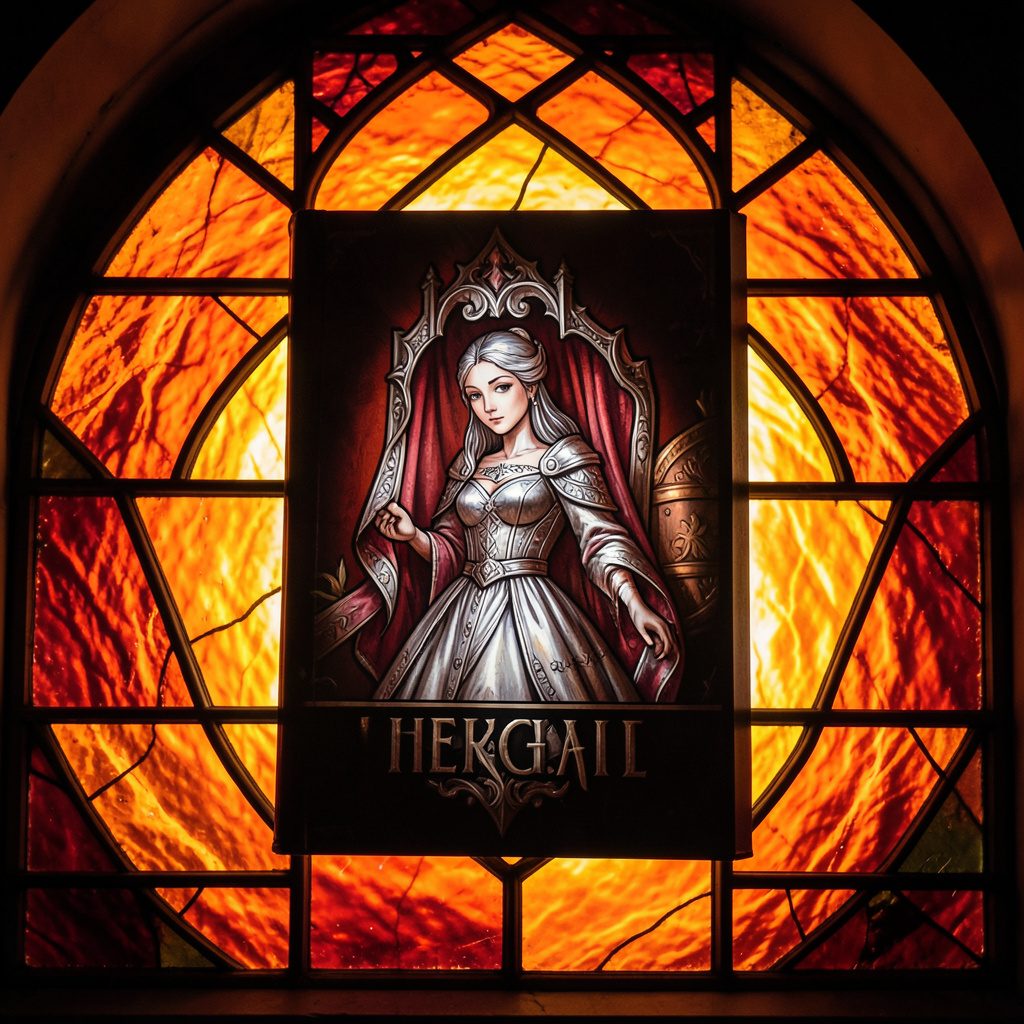
Selected works from across our quarterly issues, gathered into a printed volume. Past print runs have appeared in limited quantities and are available while supplies last.
Volumes cover poetry, short fiction, photography, paintings, drawings, reviews, and interviews — curated to reflect the breadth of artists who have shared their paths in the journal.
Browse Past IssuesInside the Pages
Since 2011, Stone Path Review has hosted contributions from more than twenty artists — poets, photographers, musicians, and filmmakers — along with interviews, readings, and film entries.
Recent volumes have included poetry from Mark Doty and Jim Harrison, an interview with a jazz musician from Minneapolis, MN, and the short film Efflorescence from Deep Field Cinema.
From the Blog
An all-star cast assembled for the fall issue — poetry, short stories, photography, and an interview with a jazz musician from Minneapolis, MN.
Read More →
A featured film entry from Deep Field Cinema, programmed as part of our ongoing screen series.
Read More →
418 Publishing, Inc. was started as the parent company of Stone Path Review, with five issues published by this point.
Read More →
Photography and artist interview, part of an ongoing series highlighting new and established contributors.
Read More →
A recorded poetry reading captured on video and shared alongside the print issue.
Read More →
Browse past quarterly issues of Stone Path Review, available online with limited print quantities.
Read More →