Events
Fall Issue Update
An all-star cast assembled for the fall issue — poetry, short stories, photography, and an interview with a jazz musician from Minneapolis, MN.
Read More →An Artistic Journal · Est. October 2011
A quarterly publication — online and in print — joining poets, photographers, painters, storytellers, and musicians into one open forum for cross-cultural expression.
A review can do more than explain whether a work succeeds. It can become a companion piece: a small essay with its own atmosphere, rhythm, imagery and emotional weather. The reviewer’s task is to meet a poem, film, exhibition, album or story with attention, then transform that encounter into language that gives the reader a fresh way to see.
This kind of criticism sits between close reading and creative nonfiction. It still needs evidence, fairness and clear judgement, yet it can move with the energy of the work it describes. For Australian writers, that might mean reviewing a gallery show in Naarm, a novel launched in Brisbane, or an experimental performance found during a long arvo at the Adelaide Festival. The form is flexible, but its purpose is precise: to make perception vivid.
| Conventional Review | Artful Review |
|---|---|
| Summarises the work | Recreates the experience of encountering it |
| Uses a mainly explanatory voice | Develops a distinctive literary voice |
| Separates analysis from style | Makes style part of the analysis |
| Relies on verdicts | Builds judgement through images and evidence |
| Follows a predictable structure | Uses a structure suited to the work |
Before drafting, identify the particular sensation or question the work left behind. A strong review rarely begins with a catalogue of facts. It begins with a pressure point: the silence after a performance, the uneasy brightness of a painting, the comic cruelty of a short story, or the way a singer’s voice seems to lean against the room.
Write a private response in plain language before shaping it into polished prose. You might note, “This book feels like being watched from a dark window,” or, “The exhibition keeps turning warmth into suspicion.” Such sentences are provisional, yet they reveal the review’s organising idea. Once you know what the work does to your attention, you can decide what details belong.
The publication venue also matters. A review for a general newspaper may foreground accessibility and context, while an independent literary journal can allow greater experimentation. Stone Path Review presents poetry, fiction, criticism, photography, visual art, music and video in conversation, making its open artistic forum a useful model for criticism that crosses forms rather than keeping them in separate boxes.
Read or watch the work more than once, with different purposes each time. The first encounter is for response. The second is for craft: recurring images, shifts in pace, colour, sound, point of view and omission. If the work is an album, notice transitions and silence. If it is a gallery installation, consider movement through space. If it is a novel, track the patterns that become clearer only after several chapters.
Keep a record of exact details. Quote sparingly, but accurately. Mark a phrase that changes meaning later, a camera angle that alters a scene, or a material choice that complicates the artist’s stated intention. These observations become the framework of your criticism. They prevent the piece from dissolving into mood alone.
Structure your notes by relationship rather than chronology. Instead of listing what happens first, second and third, group details around an idea such as distance, repetition, appetite, memory or control. An artful review can then echo the work’s own architecture. A fragmented novel might invite a review in short sections; a restrained photograph might call for spacious paragraphs and deliberate pauses.
Metaphor gives criticism a second layer of meaning, but it must arise from observation. Compare an exhibition’s harsh fluorescent lighting to a supermarket at closing time only if the space genuinely produces that sensation. Describe a plot as a knot, a tide or a trap when the image clarifies how the work operates. Decorative comparisons weaken a review when they could apply to anything.
Concrete nouns keep lyrical prose grounded. Name the chipped ceramic, the low bass frequency, the blue paint, the unreturned phone call or the character’s habit of standing outside the group. Then allow those objects to carry interpretation. A review becomes persuasive when its most expressive sentences are anchored in things the reader could verify.
Avoid turning every paragraph into a performance of cleverness. A single exact image can do the work of five decorative ones. The aim is not to outshine the artist, but to make the reader feel the structure and stakes of the original work more clearly.
When the subject is digital culture, this principle remains useful. Review the texture of an interface, the promises made by its language and the behaviour it encourages. An examination of Australian casino media, for example, could discuss colour, suspense, localisation and persuasion rather than treating the platform as a neutral object.
Australian criticism has a rich relationship with distance and landscape. A work encountered in a crowded Melbourne laneway carries different social weather from one read beside the Swan River or on a regional train between Newcastle and Sydney. Place should not become a postcard detail added for local flavour; it can influence the reviewer’s sense of scale, privacy, heat, movement and belonging.
Use local speech carefully. Words such as “mate”, “reckon” and “arvo” can create intimacy, but they should sound natural rather than inserted to prove Australianness. A measured phrase can sit beside an informal one without becoming a caricature. The goal is a voice that understands its audience and still reaches beyond a single postcode.
The Australian arts market also shapes reviewing. Independent publishers, small galleries and touring festivals often depend on modest audiences, volunteer labour and word-of-mouth attention. A review can acknowledge those conditions without excusing weak work. Mentioning a regional venue, a First Nations context, a local funding reality or the difference between a Sydney launch and a community arts night may give readers a fuller sense of what they are seeing.
Events can extend that conversation beyond the page. Stone Path Review’s events programme demonstrates how readings, discussions and creative gatherings create a social setting for interpretation. A review can carry some of that atmosphere by recording not just the artwork, but the room, audience and conditions in which it was encountered.
A creative review still needs a point of view. “I liked it” is not enough, and neither is a string of negative verdicts. Explain what the work attempts, where it succeeds and where its method produces limitations. Generosity means taking the ambition seriously; it does not mean withholding criticism.
Use a sequence such as claim, evidence, implication. State what you believe the work is doing. Offer a specific scene, formal decision or image to support that belief. Then explain why the choice matters. For instance, a film’s long pauses may initially seem indulgent, but if they make the viewer experience a character’s isolation, the slowness has a dramatic function.
Be precise when the work fails. “The pacing is uneven” can become “The middle chapters repeat the same revelation without changing the character’s circumstances.” “The exhibition feels confused” can become “The wall text promises an exploration of migration, while the installation relies on symbols too general to convey a particular history.” Precision is kinder than vague dismissal because it gives the artist and reader something real to consider.
Presentation affects how criticism is read. Paragraph length, white space, subheadings and quotations can create a visual rhythm that complements the subject. A review of a quiet poetry collection may benefit from breathing room, while a piece about a frantic performance might use shorter paragraphs and sharper transitions.
Think about typography even when the publication controls the final layout. Italicise titles consistently, check the spelling of names and distinguish quotation from paraphrase. If you are working with an image-heavy online journal, consider how your prose sits beside photography or artwork. The screen is part of the reading experience, and visual fatigue can influence concentration; practical discussions of dark aesthetic wallpapers offer a reminder that design choices affect attention as well as mood.
The review’s opening and ending deserve special care. Begin with an arresting encounter, image or proposition rather than administrative information. Save the publication date, medium and basic context for a sentence that does useful work. End by widening the frame: return to the central image, identify the work’s lasting question or show how it changes the reader’s view of a familiar subject.
Read the draft aloud. The ear will reveal repeated words, clumsy joins and sentences that carry too many ideas. Vary sentence length, but do not mistake fragmentation for intensity. A long sentence can create immersion; a short one can deliver judgement. Rhythm should respond to thought.
Cut explanations that repeat what your evidence already shows. Replace abstract nouns with active verbs where possible. “The work is an examination of grief” may become “The work watches grief alter ordinary routines.” Search for inflated phrases such as “deeply moving”, “visually stunning” and “highly successful”, then ask what the work specifically does instead.
Finally, check that the review has earned its final note. The last paragraph should not simply repeat the opening or issue a consumer-style recommendation. It should leave an afterimage: an object, sound, gesture or question that continues beyond the article. That lingering quality is one of the clearest signs that criticism has become art in its own right.
Submit the finished piece to a publication that values thoughtful exchange across genres. Stone Path Review accepts work without reading or submission fees, creating space for emerging and established voices to develop criticism alongside poetry, fiction and visual practice. Read several published pieces, follow their submission requirements and send a review that brings both close attention and a living voice to the conversation.
Write with enough clarity to guide a reader and enough imagination to make the work newly visible. A strong review does not stand outside art with a verdict in hand; it enters, listens, notices what changes, and builds a form capable of carrying that discovery onward.
Identity & Recognition
Featured Book
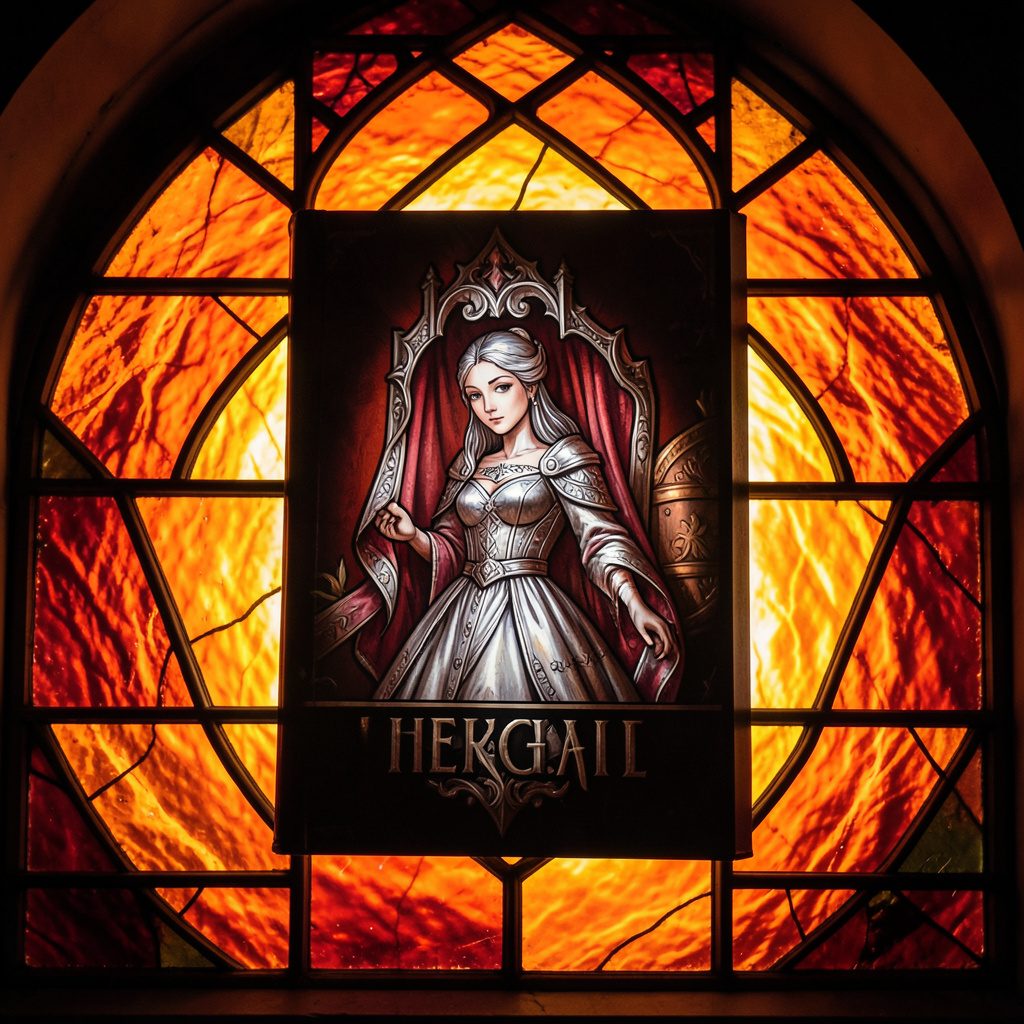
Selected works from across our quarterly issues, gathered into a printed volume. Past print runs have appeared in limited quantities and are available while supplies last.
Volumes cover poetry, short fiction, photography, paintings, drawings, reviews, and interviews — curated to reflect the breadth of artists who have shared their paths in the journal.
Browse Past IssuesInside the Pages
Since 2011, Stone Path Review has hosted contributions from more than twenty artists — poets, photographers, musicians, and filmmakers — along with interviews, readings, and film entries.
Recent volumes have included poetry from Mark Doty and Jim Harrison, an interview with a jazz musician from Minneapolis, MN, and the short film Efflorescence from Deep Field Cinema.
From the Blog
An all-star cast assembled for the fall issue — poetry, short stories, photography, and an interview with a jazz musician from Minneapolis, MN.
Read More →
A featured film entry from Deep Field Cinema, programmed as part of our ongoing screen series.
Read More →
418 Publishing, Inc. was started as the parent company of Stone Path Review, with five issues published by this point.
Read More →
Photography and artist interview, part of an ongoing series highlighting new and established contributors.
Read More →
A recorded poetry reading captured on video and shared alongside the print issue.
Read More →
Browse past quarterly issues of Stone Path Review, available online with limited print quantities.
Read More →