Events
Fall Issue Update
An all-star cast assembled for the fall issue — poetry, short stories, photography, and an interview with a jazz musician from Minneapolis, MN.
Read More →An Artistic Journal · Est. October 2011
A quarterly publication — online and in print — joining poets, photographers, painters, storytellers, and musicians into one open forum for cross-cultural expression.
An interview is rarely just a record of what someone said. It is a relationship built through attention: one person asks, another decides how far to trust the exchange, and both listen for the instant when prepared language gives way to a revealing cadence. The art of the interview is capturing voice on paper while preserving that shift, rather than turning a life into a performance.
Stone Path Review treats the interview as part of a quarterly conversation across literature and the arts. A conversation with a poet, painter, musician, chef, or video artist can place private ways of seeing beside public experience. The interviewer does not impose a single authorised version of the subject; the interview creates a space where associations, hesitations, and humour can enter the written record.
Preparation begins with curiosity rather than a long list of facts. Read the artist’s books and criticism, watch the work, listen to the recordings, and note recurring tensions. Decide what you genuinely need to understand, then separate that purpose from details that merely decorate the profile. Research should open avenues, not preload the conversation with conclusions. This matters within Australia’s network of small presses, literary festivals, and artist-run spaces, where a project may pass among informal collaborators before reaching a formal institution.
Before recording, explain where the material will appear, how long the exchange may run, and how quotations will be edited. Ask whether the subject wishes to review the finished piece, and agree on names, spellings, sensitive stories, and off-record remarks. Clear consent protects the person as well as the writer, particularly when an Australian interview may later appear in print, online, or in translation.
Logistics shape voice too. A quiet room in a Canberra cultural institution may suit a measured reflection; a busy Melbourne laneway studio will produce another energy whenever tram bells pass the window. In regional Victoria, a community broadcaster or literary festival can provide an accessible venue, though patchy mobile reception and travel delays require a backup recorder and charged batteries.
A reliable recording gives you options, but permission matters more than equipment. Use a protective microphone, monitor levels, and keep a second copy of each file. Leave small silences intact. A pause may contain discomfort, consideration, or the subject searching for more exact language, and cutting it too quickly can make the final exchange feel breathless.
Stone Path Review’s piece on the rhythm of prose offers a productive analogy: sentence pattern, stress, and pause can carry characterisation. Read a transcript aloud before shaping it. If a short answer sounds flat, listen for what surrounds it; a longer answer may slow the piece but deepen the portrait. Musicality should emerge from the subject’s speech, not from decorative description imposed by the writer.
Australian accents and conversational habits deserve equal care. Do not tidy every regional turn of phrase into generic formal English, and do not reproduce speech solely to mark a speaker as colourful. Light factual editing can remove repetition while retaining the accent’s rhythm, the choice of colloquial words, and any grammar that carries meaning.
A good question creates room for an unforeseen response. Broad prompts invite recital; precise prompts can become too narrow. Alternate between work and process, public history and private memory, then notice where the subject changes register, repeats a phrase, or returns to an image. Those moments reveal where the conversation has acquired life.
The planning process can resemble hand-drawn animation: each exchange supplies a frame, and timing determines the emotional sequence. Storyboard the likely arc without scripting the answers. Leave space for a digression that might matter more than the prepared line. The interview should feel guided, never boxed.
Follow the energy rather than enforcing a fixed sequence. When an answer becomes polished, ask for an example, a moment, or a contradiction. When it turns fragmentary, offer a quiet pause and resist filling the gap. A useful later question might be, “What did you see at that moment?” or “What would you change now?”
Place is part of the archive. A conversation recorded on a Sydney ferry deck may include wind, engine noise, and the compressed privacy of strangers nearby. The same person may choose a suburban kitchen for comfort, but the kettle, garden, or view can still colour the exchange. Note the setting without turning it into picturesque evidence.
Perth’s Indian Ocean light can shape how a face and voice register, while a crowded Brisbane gallery opening can supply brisk interruptions. Ask whether the subject prefers a familiar room, a neutral office, or a walk. Whatever the setting, establish what can be recorded and what must remain private before the conversation begins.
Objects can perform work that summary cannot. A worn script, handmade bowl, archived photograph, or instrument may connect memory to practice. Stone Path Review’s reflection on still-life attention offers a useful model: observe arrangement, light, scale, and association rather than naming an item and moving on. An object becomes a portrait device when the subject handles it, corrects its history, or resists its expected meaning.
The transcript is raw material, not the final form. Mark the lines that alter our understanding of the work, reveal a relationship, or carry an unmistakable personal vocabulary. Remove false starts only when they obscure the thought. Preserve decisive phrases, but resist the temptation to retain every charming hesitation simply because it occurred.
One productive bank of prompts can move an interview from summary towards lived detail:
After the conversation, a second checklist protects both clarity and character:
The strongest edit will not necessarily contain the most quotations. It will make a coherent encounter while allowing the subject’s language to remain audible. When a factual narrator voice is necessary, use it sparingly. When the artist’s own words can carry the scene, give them space.
The final choice of format should serve the encounter. A transcript privileges sequence and completeness; a question-and-answer article privileges clarity; a narrative profile privileges movement; a braided dialogue can combine scene, speech, and reflection. None is neutral. Each gives the editor a different claim on the subject’s voice.
When a subject moves between art and sport, Brick Sport offers a useful comparative resource. Reporters often face strict time limits, yet the best answer contains stance, evidence, and character rather than generic summary. An arts interview can apply that discipline without treating every speaker like a commentator.
A braided version is often strongest when the meeting itself matters. Let one exchange begin a scene, step outside for necessary context, then return to the voice that changed the writer’s understanding. The structure should remain transparent enough for the reader to hear a person thinking, without admiring the writer’s cleverness.
The available forms reward different forms of attention:
| Format | What the reader receives | Editorial strength | Main risk |
|---|---|---|---|
| Verbatim transcript | The full sequence of questions and answers | Fidelity, texture, and accountable context | Repetition can obscure the essential encounter |
| Question and answer | Clean exchanges with minimal narration | Clarity, pace, and immediate access to the speaker | Short answers may lose the context that made them meaningful |
| Narrative profile | Selected quotations woven through reported scenes | Movement, atmosphere, and thematic development | Paraphrase or summary may flatten the speaker’s voice |
| Braided dialogue | Speech, scene, observation, and reflection in combination | Immediacy, character, and structural complexity | Scene-setting can overshadow the person being interviewed |
Stone Path Review invites writers, editors, photographers, and artists to treat the interview as both reported encounter and creative form. Share an interview that preserves the speaker’s cadence, context, and complexity, or invite a reader into a conversation that your work has made possible.
Submissions are welcome from creators everywhere. Published by 418 Publishing, Inc., a nonprofit parent organisation, the journal accepts submissions without reading or submission fees. Bring the finished conversation to Stone Path Review, and let the voice travel beyond the room where it was first heard.
Identity & Recognition
Featured Book
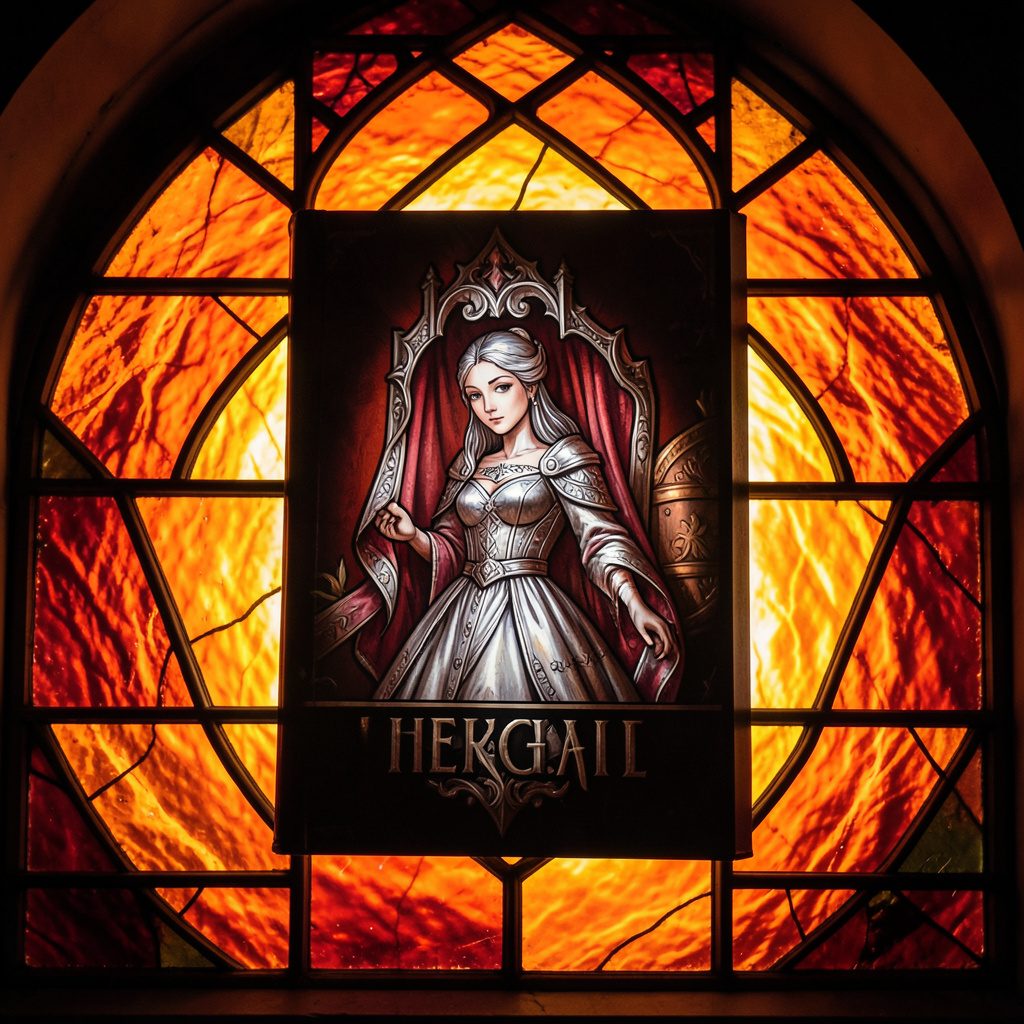
Selected works from across our quarterly issues, gathered into a printed volume. Past print runs have appeared in limited quantities and are available while supplies last.
Volumes cover poetry, short fiction, photography, paintings, drawings, reviews, and interviews — curated to reflect the breadth of artists who have shared their paths in the journal.
Browse Past IssuesInside the Pages
Since 2011, Stone Path Review has hosted contributions from more than twenty artists — poets, photographers, musicians, and filmmakers — along with interviews, readings, and film entries.
Recent volumes have included poetry from Mark Doty and Jim Harrison, an interview with a jazz musician from Minneapolis, MN, and the short film Efflorescence from Deep Field Cinema.
From the Blog
An all-star cast assembled for the fall issue — poetry, short stories, photography, and an interview with a jazz musician from Minneapolis, MN.
Read More →
A featured film entry from Deep Field Cinema, programmed as part of our ongoing screen series.
Read More →
418 Publishing, Inc. was started as the parent company of Stone Path Review, with five issues published by this point.
Read More →
Photography and artist interview, part of an ongoing series highlighting new and established contributors.
Read More →
A recorded poetry reading captured on video and shared alongside the print issue.
Read More →
Browse past quarterly issues of Stone Path Review, available online with limited print quantities.
Read More →