Events
Fall Issue Update
An all-star cast assembled for the fall issue — poetry, short stories, photography, and an interview with a jazz musician from Minneapolis, MN.
Read More →An Artistic Journal · Est. October 2011
A quarterly publication — online and in print — joining poets, photographers, painters, storytellers, and musicians into one open forum for cross-cultural expression.
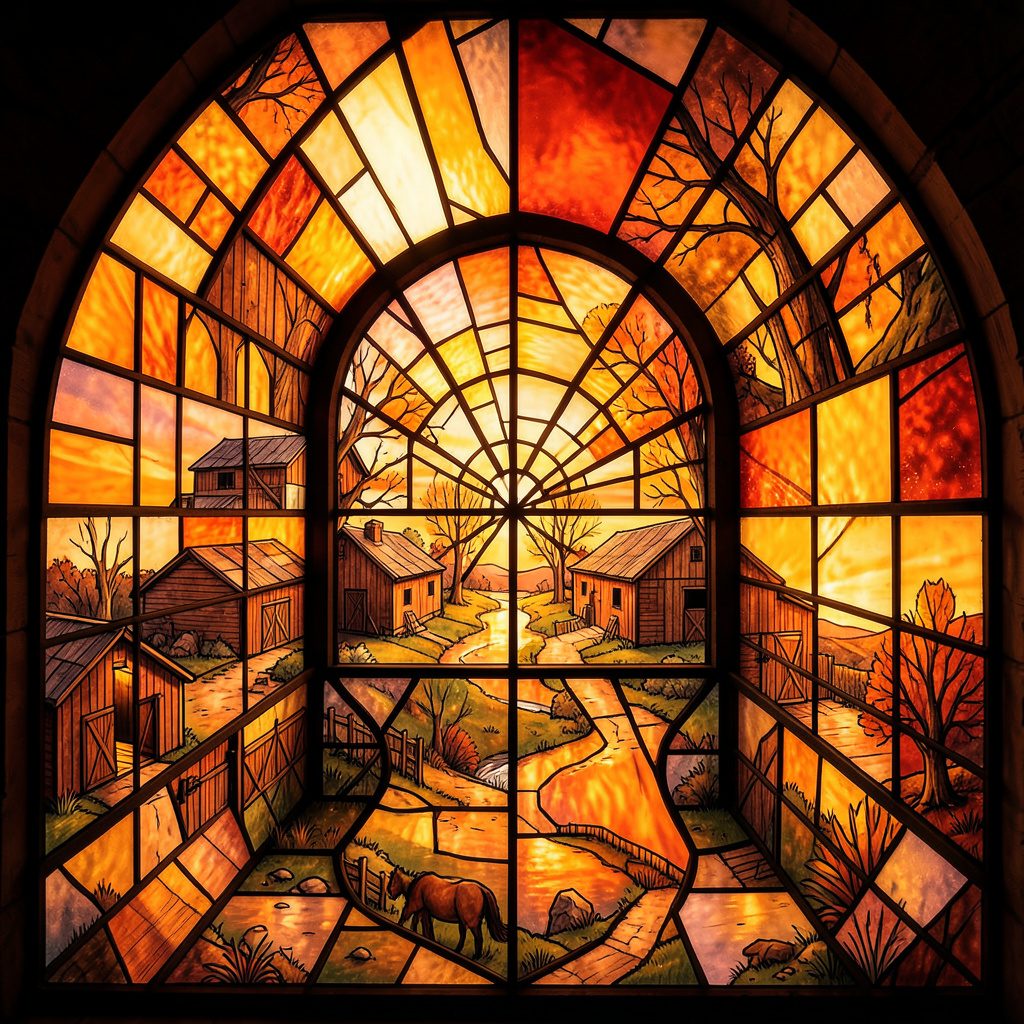
A painting can seem settled until one mark alters its balance. A narrow line may sharpen a cheek, deepen a shadow, open a distant sky or make an otherwise calm surface feel suddenly unsettled. The change is often physical before it becomes intellectual: the eye registers direction, pressure, colour and texture, then begins to build meaning around them.
This is why a brushstroke carries more than pigment. It records a decision, a pause, a movement of the wrist and the relationship between the artist and the surface. In a studio in Melbourne, a shared workshop in Sydney or a sunlit room in regional New South Wales, the same stroke can behave differently according to the canvas, the medium and the light. Understanding that behaviour helps artists edit with greater confidence and helps viewers look more closely.
A brushstroke begins as an event rather than an image. Before it becomes a branch, eyelid or horizon, it is a track across a surface. Its width, edge and density tell the viewer how quickly it was made and how firmly the artist committed to it. A dry, broken mark can suggest hesitation or abrasion, while a loaded, even stroke may feel deliberate and calm.
The first mark also establishes expectations for everything that follows. A soft horizontal sweep can make later vertical strokes feel architectural. A thin contour placed beside a broad wash can create tension between precision and atmosphere. Even an apparently minor adjustment may change the rhythm of the entire composition because viewers tend to compare every new gesture with the marks already present.
This makes the brushstroke a form of visual grammar. Repeated dabs can create a pulse, flicks can imply movement and long arcs can guide the eye. The painting does not need to depict motion literally; the movement of the hand can remain visible in the way the work is read.
Pressure controls more than the amount of paint released by a brush. It affects the character of the edge, the visibility of the ground and the emotional weight of the gesture. A heavy application can anchor a figure or darken a corner, while a lightly held brush may allow the underpainting to breathe through the mark.
Direction is equally influential. A diagonal stroke often introduces energy because it resists the stability of vertical and horizontal lines. Curved strokes can soften a face, describe a shoulder or lead attention around a still-life arrangement. When several strokes travel in the same direction, they create a current that can pull the viewer towards a focal point.
Pace gives the mark its tempo. A quick stroke may preserve a sense of risk, while a slower passage can build a dense, polished surface. Artists sometimes lose vitality by correcting every irregularity. A slightly uneven line may contain more life than a perfectly controlled one because it retains evidence of timing and touch.
No mark exists in isolation. A cool blue stroke placed in a field of warm ochre may appear sharper and more distant than the same blue laid beside violet. A pale passage can seem luminous against a dark ground, while a dark line may lose force when surrounded by heavy tonal competition. Colour relationships therefore determine how much visual authority a single gesture receives.
Scale matters as well. A small flick on a large canvas can feel intimate or insignificant, depending on the surrounding space. The same flick enlarged on a postcard-sized work may become the dominant feature. Artists working for the Australian market often consider this difference when preparing paintings for homes, cafés and commercial galleries, where a work may need to communicate from across a room as well as at close range.
Photography offers a useful parallel. In a discussion of painting with light, attention to illumination reveals how a small shift can reorganise an entire image. Painting operates through a related sensitivity: a single highlight or dark accent can redirect the eye, alter depth and change the emotional temperature of a scene.
Australian light is often described as bright, but its character varies widely. The hard clarity of a summer afternoon in Perth differs from the humid glow of Brisbane, the cool coastal atmosphere around Hobart or the pale, dry light found inland. These conditions influence colour choices and encourage artists to observe how eucalyptus greens, red earth, concrete, water and haze change throughout the day.
Local viewing habits shape paintings too. A work shown in a Melbourne artist-run space may be encountered at close quarters, beside experimental installations and compact mixed-media pieces. A painting presented in a Sydney gallery may need to hold its own against strong urban architecture and changing daylight. In regional towns, community exhibitions, open studios and weekend markets often create a more conversational setting where artists discuss materials directly with visitors.
The local market also rewards adaptability. Australian buyers may look for work that suits apartments, heritage houses, hospitality interiors or new developments, while public and institutional commissions often demand a larger scale and a clear relationship to place. Artists can respond without allowing market expectations to flatten their language. A distinctive brushstroke may become the feature that makes a painting recognisable in a crowded exhibition.
For artists interested in meeting audiences beyond a single studio or city, Stone Path Review’s upcoming events offer a broader setting for conversations across forms and cultures. Such encounters can reveal how viewers from different places interpret the same physical gesture through their own visual histories.
Oil, acrylic, watercolour and gouache each give a brushstroke a different body. Oil may remain workable long enough for a mark to be dragged, softened or layered. Acrylic can move quickly from wet fluidity to a more fixed surface, making timing especially important. Watercolour depends on absorption and transparency, so a single loaded brush may produce a sequence of tones as moisture leaves the paper.
The tool changes the language as well. A round brush can create a tapered line, a flat brush can lay down an architectural block and a fan brush may break a passage into feathery strands. A palette knife introduces a different kind of pressure, scraping or depositing paint with a directness that a soft brush cannot imitate. The resulting mark may feel more like a cut, ridge or fragment of material.
Surface preparation adds another layer of meaning. A smooth gessoed panel supports crisp edges, whereas textured linen interrupts the stroke and makes its path more visible. A toned ground can unify later passages, while an untouched white surface may turn a gap into an active source of light. Artists who understand these material conditions can make a mark do several jobs at once: describe form, establish atmosphere and expose the process of making.
Revision is not simply a matter of correcting mistakes. It is a judgement about whether a mark contributes to the painting’s larger structure. Before painting over a stroke, an artist can ask what changed when it appeared. Did it strengthen the focal point, flatten the space, interrupt a rhythm or introduce a useful contradiction? A mark that seems awkward in isolation may be essential to the work’s tension.
The following comparisons show how a gesture can operate differently according to its physical qualities and location.
| Brushstroke or Mark | Immediate Visual Effect | Possible Emotional Suggestion | Useful Application |
|---|---|---|---|
| Long horizontal sweep | Extends space and slows the eye | Calm, distance or suspension | Horizons, water and quiet backgrounds |
| Sharp diagonal | Creates direction and instability | Energy, conflict or urgency | Dynamic figures and shifting compositions |
| Dry-brush scrape | Reveals the surface beneath | Age, restraint or weathering | Stone, bark, worn walls and atmospheric passages |
| Dense rounded dab | Builds weight and emphasis | Warmth, intimacy or heaviness | Blossoms, highlights and focal details |
| Thin broken line | Interrupts a continuous field | Fragility, uncertainty or movement | Contours, branches and expressive notation |
| Broad opaque block | Establishes a firm visual mass | Authority, stillness or force | Shadows, architecture and compositional anchors |
A productive revision may involve adding a contrasting stroke rather than removing the original. A transparent glaze can soften a blunt passage without erasing its structure. A thin dark line may give a vague form definition. Scraping back can restore air and let an earlier colour re-enter the composition. These choices preserve some history, allowing the finished painting to carry traces of change.
Artists can also test a questionable mark by changing their distance from the work. At arm’s length, texture and pressure dominate; from across the room, the mark becomes part of the total balance. A photograph taken in neutral light can offer another view, although it should support, rather than replace, direct observation of the surface.
A painter does not need to control every gesture, but repeated observation builds a more dependable relationship with the brush. Short studies are valuable because they isolate one decision without the pressure of completing a major work. Try making the same shape with different tools, speeds and amounts of moisture, then compare the results after the paint has dried.
Useful habits include:
These exercises are especially helpful when moving between materials. A gesture that feels expressive in watercolour may become muddy in acrylic, while a restrained oil mark may need a different rhythm on absorbent paper. Recording the conditions makes intuition more teachable without turning the studio into a laboratory.
A single brushstroke can change a painting because it changes the conversation among all the other marks. It may redirect attention, alter depth, introduce a human pulse or expose the artist’s willingness to leave something unresolved. The gesture matters because the surrounding painting gives it consequence.
Stone Path Review welcomes artists, writers, photographers and readers into that wider conversation through its journal background. Study a painting closely, make a small series of your own, and share the work where process and perception can meet. A considered mark may be brief, but its effect can continue long after the brush has left the surface.
Identity & Recognition
Featured Book
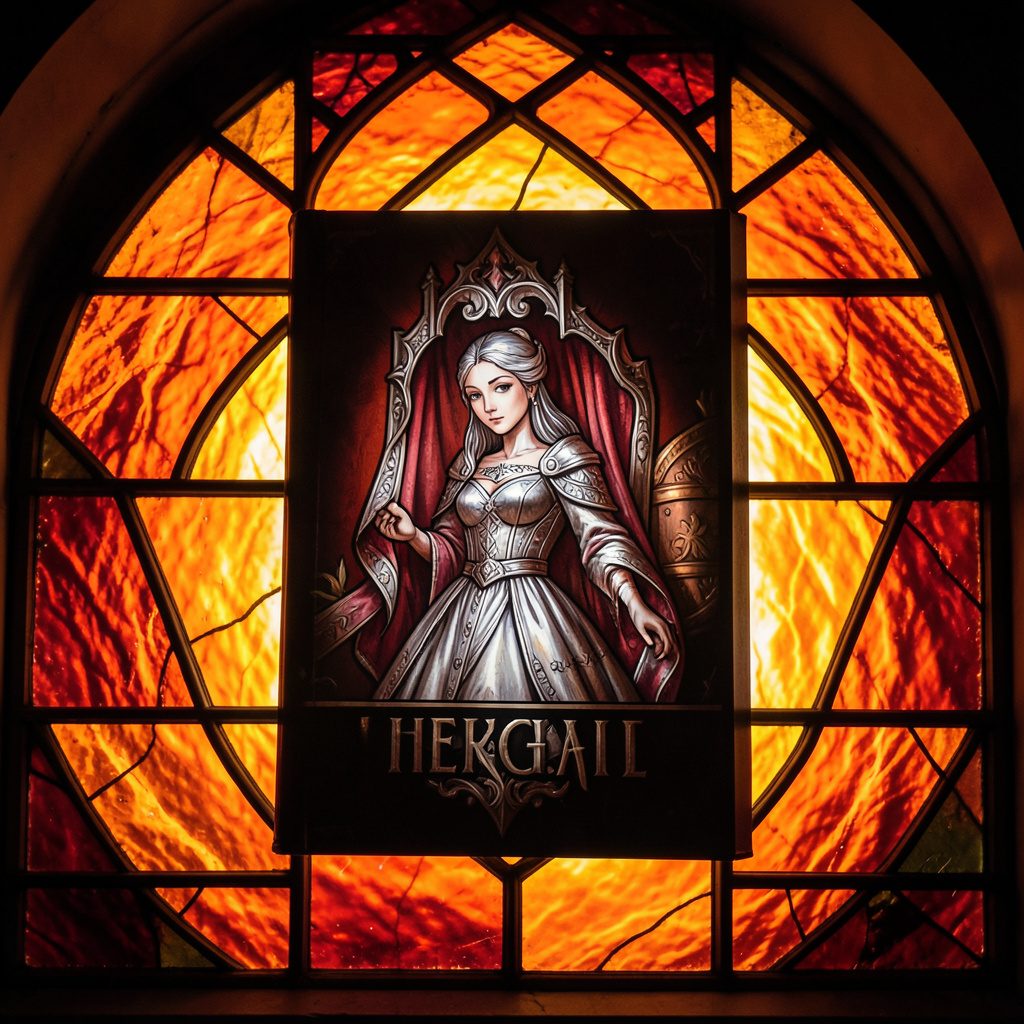
Selected works from across our quarterly issues, gathered into a printed volume. Past print runs have appeared in limited quantities and are available while supplies last.
Volumes cover poetry, short fiction, photography, paintings, drawings, reviews, and interviews — curated to reflect the breadth of artists who have shared their paths in the journal.
Browse Past IssuesInside the Pages
Since 2011, Stone Path Review has hosted contributions from more than twenty artists — poets, photographers, musicians, and filmmakers — along with interviews, readings, and film entries.
Recent volumes have included poetry from Mark Doty and Jim Harrison, an interview with a jazz musician from Minneapolis, MN, and the short film Efflorescence from Deep Field Cinema.

From the Blog
An all-star cast assembled for the fall issue — poetry, short stories, photography, and an interview with a jazz musician from Minneapolis, MN.
Read More →
A featured film entry from Deep Field Cinema, programmed as part of our ongoing screen series.
Read More →
418 Publishing, Inc. was started as the parent company of Stone Path Review, with five issues published by this point.
Read More →
Photography and artist interview, part of an ongoing series highlighting new and established contributors.
Read More →
A recorded poetry reading captured on video and shared alongside the print issue.
Read More →
Browse past quarterly issues of Stone Path Review, available online with limited print quantities.
Read More →