Events
Fall Issue Update
An all-star cast assembled for the fall issue — poetry, short stories, photography, and an interview with a jazz musician from Minneapolis, MN.
Read More →An Artistic Journal · Est. October 2011
A quarterly publication — online and in print — joining poets, photographers, painters, storytellers, and musicians into one open forum for cross-cultural expression.
A rusted key, handwritten recipe, bus ticket or cracked toy can hold a charge far beyond its practical use. Once an artist removes such an object from daily life and places it within a collage, assemblage, photograph, film or installation, its meaning begins to shift. The object remains recognisable, yet it also becomes evidence, symbol, texture and invitation.
Mixed media is especially suited to this kind of storytelling because it allows different forms of memory to coexist. Paint can obscure a surface, stitching can repair it, and a found photograph can anchor an invented narrative. For artists working in Australia, local materials bring further layers: coastal debris, shed tools, op-shop discoveries, family archives and fragments gathered from urban streets can connect private experience with broader histories.
| Found element | Possible associations | Mixed media treatment | Key consideration |
|---|---|---|---|
| Old key | Access, secrecy, home, displacement | Embed in plaster, print its shape, photograph its shadow | Avoid claiming a history the object cannot support |
| Recipe card | Family, migration, care, domestic labour | Layer with ink, fabric, handwriting or sound | Preserve language and personal marks respectfully |
| Rusted tool | Work, industry, inheritance, physical effort | Combine with wood, pigment, wire or clay | Consider traces of labour and ownership |
| Ticket or receipt | Movement, commerce, a specific day | Repeat as collage, scan, projection or animation | Date and place can create powerful context |
| Broken toy | Childhood, loss, repair, imagination | Pair with thread, paper, film or painted scenery | Let ambiguity remain part of the story |
A found object does not need to be rare to be meaningful. Its worn edge, faded colour, bent corner or adhesive residue may reveal more than its original purpose. Artists can treat these details as a visual vocabulary, allowing surfaces to carry time rather than using them merely as decoration.
The first stage is attentive looking. Before cutting, painting or attaching anything, record the object from several angles. Notice what is legible and what has disappeared. A chipped enamel mug may suggest a household, while a torn envelope may imply movement between people. The work becomes stronger when it recognises the difference between what an object shows and what the artist imagines.
This approach also welcomes uncertainty. A mixed media artwork does not have to solve the object’s history. It can hold several possibilities at once, giving viewers room to bring their own experiences of domestic life, migration, work and loss. Stone Path Review’s current issues offer a useful sense of how visual art, writing and documentary forms can sit beside one another without reducing one medium to an illustration of another.
Australia offers an enormous range of material traces, from shells and weathered timber to packaging, handwritten correspondence and machinery parts. A maker in Melbourne might find a story in a tram transfer or a salvaged theatre poster, while an artist in Sydney could work with ferry ephemera, construction fragments or objects collected near a changing harbour edge.
In regional communities, the source material may come from a shearing shed, a family farm, a closed shop or a local historical society. In Perth, Adelaide, Brisbane or Hobart, op shops and weekend markets provide access to domestic objects that have travelled through many hands. These settings encourage artists to think about how objects move through economies, households and generations.
The local market can be both a source and a subject. A crate from a farmers’ market, a handwritten price card or a paper bag from a suburban grocer may speak about seasonal work, food networks and changing habits. Rather than treating Australian references as a decorative theme, artists can ask what social conditions produced the object and whose labour made its journey possible.
Family objects often arrive with stories already attached: a great-aunt’s sewing scissors, a grandfather’s fishing lure, a child’s school badge or a set of letters tied with ribbon. These objects may feel intimate, yet using them publicly requires care. The artist should consider who else appears in the story, whether relatives have consented, and what might be lost when a private memory is made visible.
An artwork can protect personal details while retaining emotional truth. Names may be blurred, dates altered or an object represented through a cast, drawing or photograph rather than displayed directly. This distance can create productive space between biography and invention. It also allows the maker to acknowledge that memory is shaped by repetition, silence and family myth.
Objects connected to First Nations histories require particular respect. Artists should avoid collecting cultural materials from Country without permission, and should not appropriate designs, ceremonial forms or stories that belong to specific communities. Working with publicly available records, contemporary Indigenous artists and appropriate cultural guidance is more responsible than treating every discovered object as available raw material.
The most effective processes allow the original object to remain partly itself. A viewer should be able to sense the tension between its former life and its new role. The following approaches can preserve that tension:
Material contrast can carry meaning. Soft cloth beside corroded metal may suggest care meeting neglect; glossy plastic beside rough bark can evoke consumer culture and the natural world. Sound can extend the object’s reach, using recorded footsteps, market noise, a sewing machine or a spoken recollection to create an environment around the visual work.
Handmade imperfection is valuable here. A visible brush mark, uneven stitch or slightly misregistered print confirms that a person has handled the material. Artists interested in sequential images can also consider the relationship between object, movement and memory; Stone Path Review’s discussion of hand drawn animation demonstrates how tactile marks can carry emotional force across frames.
Australian artists often work within a landscape where weather and distance leave clear marks. Sun-bleached plastic, salt-stained metal, dry grasses and faded paint can become records of climate as well as signs of human use. A collection made during walks along the coast, through bushland or beside a suburban creek may reveal patterns of consumption, erosion and care.
There is also a strong tradition of making do: repairing a fence, reusing a jar, patching work clothes or turning salvaged timber into furniture. These customs can inform an artwork without being romanticised. An assemblage made from shed materials may honour practical knowledge while still asking who performed the labour and why some forms of work remain invisible.
Local audiences bring their own recognition to familiar objects. A fragment of a surf club pennant, a school-reader cover or a Woolworths-style shopping docket may prompt an immediate response, yet recognition should not be mistaken for a complete story. The artist can use familiar signs as a starting point, then complicate them through scale, juxtaposition, text or absence.
Markets provide another rich setting for research. A maker can visit a Sunday market in Melbourne, Sydney or Fremantle, speak with stallholders, note the language of selling and observe which objects are considered valuable. The resulting work might focus on exchange itself: bargaining, inheritance, repair and the emotional price placed on ordinary possessions.
A successful collection of found objects can still become visually crowded. Editing determines whether each item contributes to the central tension or merely proves that the artist gathered many things. Lay materials on a table and group them by colour, history, texture or emotional association. Repeated forms may create rhythm, while one contrasting object can become a point of focus.
Before finalising a piece, consider the viewer’s physical experience. Can the object be approached closely, or is it read from a distance? Does a shadow reveal an absent form? Would a small label clarify context without dictating interpretation? For digital publication, sharp detail and accurate colour matter, while print may reward heavier texture and restrained scale.
A practical presentation checklist can help:
Documentation is part of the artwork’s afterlife. A clear record supports future exhibitions, reviews and submissions, especially when the physical object is fragile. It can also preserve information that may otherwise vanish once a collage is dismantled or an installation is packed away.
Mixed media encourages conversation between disciplines. A photograph may lead to a poem; a fragment of dialogue may become part of a video; a painted surface may provide the setting for a short story. For a journal that publishes visual art alongside literature and criticism, the object becomes a meeting point rather than a fixed category.
Context can be offered through a short artist statement, but explanation should leave room for discovery. Describe where the material came from, what transformation occurred and which questions shaped the work. Avoid assigning a single emotional response to the audience. The best statements clarify the artist’s decisions while allowing the object’s silence to remain active.
Online publication can extend the work beyond its physical scale. A scanned collage may invite close looking, while a video can show the object turning in light or being handled during construction. Readers in Australia and elsewhere may encounter the same material through different cultural memories, making the work part of a wider exchange rather than a closed personal archive.
Stone Path Review’s upcoming events can provide a useful place to encounter this kind of cross-disciplinary practice, whether through readings, exhibitions, screenings or conversations. Sharing process can be as valuable as showing the finished piece, particularly when the work asks viewers to think about ownership, memory and the lives of ordinary things.
Found materials become compelling when the artist listens before transforming them. Begin with one object, document what is known, acknowledge what is uncertain and let the chosen materials argue with one another. Submit the resulting poem, essay, image, assemblage or moving-image work to Stone Path Review, where careful attention to everyday evidence can enter a global forum for artistic exchange.
Identity & Recognition
Featured Book
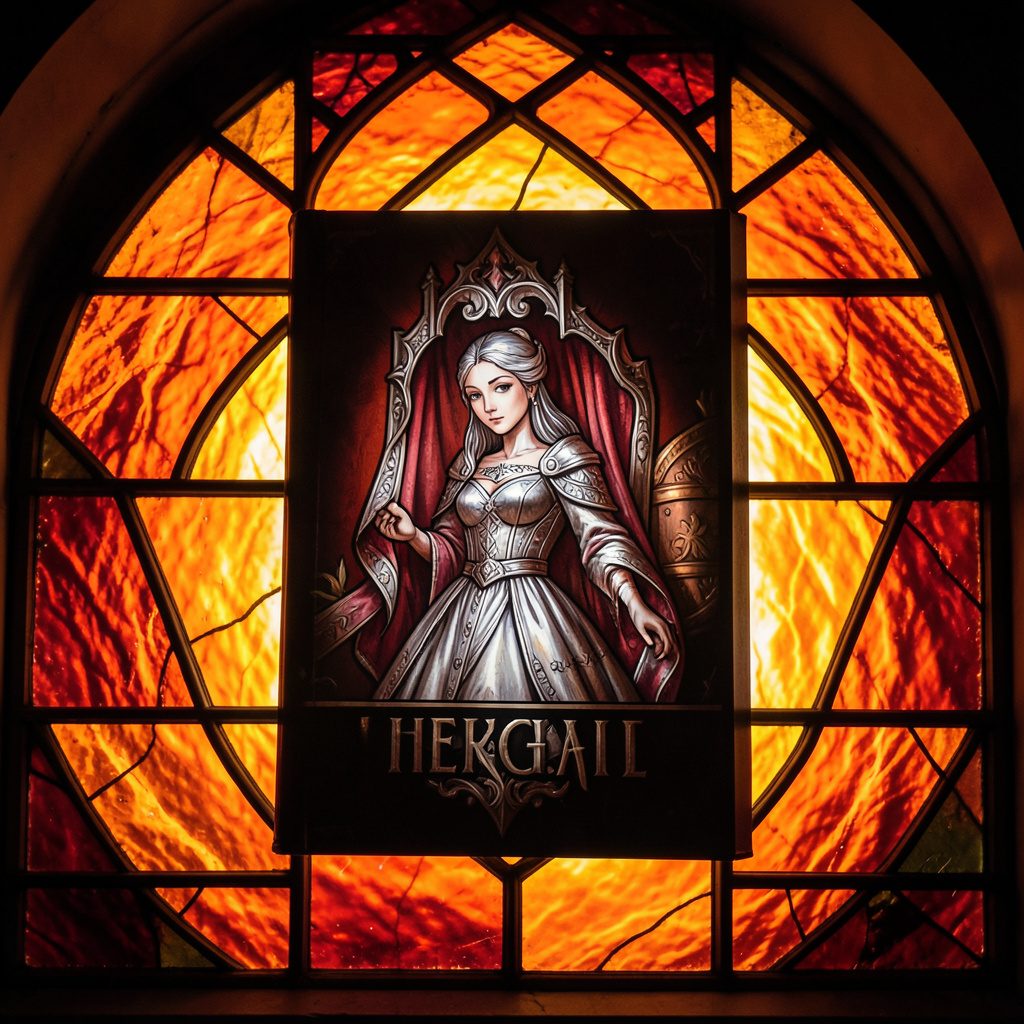
Selected works from across our quarterly issues, gathered into a printed volume. Past print runs have appeared in limited quantities and are available while supplies last.
Volumes cover poetry, short fiction, photography, paintings, drawings, reviews, and interviews — curated to reflect the breadth of artists who have shared their paths in the journal.
Browse Past IssuesInside the Pages
Since 2011, Stone Path Review has hosted contributions from more than twenty artists — poets, photographers, musicians, and filmmakers — along with interviews, readings, and film entries.
Recent volumes have included poetry from Mark Doty and Jim Harrison, an interview with a jazz musician from Minneapolis, MN, and the short film Efflorescence from Deep Field Cinema.
From the Blog
An all-star cast assembled for the fall issue — poetry, short stories, photography, and an interview with a jazz musician from Minneapolis, MN.
Read More →
A featured film entry from Deep Field Cinema, programmed as part of our ongoing screen series.
Read More →
418 Publishing, Inc. was started as the parent company of Stone Path Review, with five issues published by this point.
Read More →
Photography and artist interview, part of an ongoing series highlighting new and established contributors.
Read More →
A recorded poetry reading captured on video and shared alongside the print issue.
Read More →
Browse past quarterly issues of Stone Path Review, available online with limited print quantities.
Read More →