Events
Fall Issue Update
An all-star cast assembled for the fall issue — poetry, short stories, photography, and an interview with a jazz musician from Minneapolis, MN.
Read More →An Artistic Journal · Est. October 2011
A quarterly publication — online and in print — joining poets, photographers, painters, storytellers, and musicians into one open forum for cross-cultural expression.
A city is more than an arrangement of streets, buildings and coordinates. It is a palimpsest of departures and returns, remembered shopfronts, changed bus routes, family migrations and voices that have faded from particular corners. Its geography shifts with weather, traffic and mood. A pavement may be an obstacle before rain and a stage after it. A railway bridge can mark separation while also joining neighbourhoods that official boundaries keep apart.
Cartography traditionally fixes place through scale, direction and distance. Poetic cartography works differently. It follows desire, accident and association; it measures a place by the intensity of attention it can provoke. A crowded crossing may occupy more space in a poem than an uninhabited plain. The smallest sensory detail can enlarge an entire district, turning the smell of coffee from a doorway into a sign of welcome, routine or quiet defiance.
Writing the city asks the poet to notice how the built environment enters language. Melbourne’s laneways contain layers of graffiti, delivery noise and café chatter, while Brisbane’s verandas and sudden summer downpours alter the rhythm of a walk. In Canberra, broad avenues and planned sightlines make movement feel formal, even as unofficial paths develop across lawns and underpasses. Each place offers a distinct vocabulary of urban experience.
For creative writers, the distinction can be made through paired terms. One approach records position; the other records relation. The former asks where something is, while the latter asks what it means to be there, how it feels to cross it and who has been left outside the frame.
| Conventional cartography | Poetic cartography |
|---|---|
| Fixes streets, scales and coordinates | Follows memory, rhythm and association |
| Treats boundaries as clear lines | Allows belonging and exclusion to complicate them |
| Records what can be measured | Registers what can be overheard, felt or missed |
| Ends at the destination | Makes the route itself meaningful |
Streets preserve time in layers. Dates scratched into a bollard, faded paint on awnings and the worn edge of a doorstep record repeated human use. So do less obvious archives: a vacant lot where a cinema once stood, the warm rectangle of a window at dusk, or a path worn diagonally across a square because pedestrians refuse to follow the designated route.
A useful field practice is to walk without treating the destination as the point. Note where the foot slows, where a voice carries, where sunlight interrupts a façade and where the pavement suddenly changes underfoot. These observations produce writing rooted in the physical city rather than in inherited ideas of what a neighbourhood should look like. They also reveal the small negotiations through which public space becomes shared.
Sentence movement can record this experience. A composer’s approach to cadence offers a useful analogy because prose follows musical rhythm. Short clauses can imitate crossing signals or fragments of overheard speech; longer sentences may open outward like a boulevard, then contract into an alley. The important choice is not to decorate prose with artificial lyricism, but to let pace emerge from the observed place.
The resulting draft should retain contradictions. A celebrated laneway may be noisy, inaccessible or commercially exploited. A grand civic building may inspire affection from one resident and indifference from another. Poetic accuracy does not require every detail to charm. It requires enough specificity for the reader to feel the city resisting the writer’s summary of it.
Sound offers another way to locate a person within a city. Melbourne trams announce themselves with bells and hydraulic sighs. Brisbane rain begins against metal awnings before filling gutters and transforming drains into temporary streams. Voices cross courtyards, engines hum beneath pedestrian bridges, and a neighbour’s radio becomes part of the architecture of an evening.
Australian speech adds another layer of movement. Words such as “arvo”, “brekkie”, “keen” and “she’ll be right” can compress time, mood and social context into familiar forms. Their force depends on cadence and company. Writers should notice which expressions belong to particular communities and avoid turning them into easy signs of authenticity. Local idiom works best when its context remains visible: who says it, to whom and under what pressure.
Listening also requires care around names. Aboriginal and Torres Strait Islander place names carry histories that exceed tourist description, while migrant communities often bring linguistic textures that complicate an official map. Research, consultation and attribution matter. A name entered into a poem should not be treated as decorative vocabulary, particularly when it names Country or a site of enduring significance.
A street-level voice can be built from fragments without inventing a caricatured narrator. Reported speech, signs, remembered songs and overheard arguments can interrupt the writer’s own perspective. These interruptions allow the city to speak back, exposing the limits of any single account of where it begins and ends.
Transit routes reveal a city’s priorities more clearly than its tourist maps. Train lines, tram networks, ferry crossings and bicycle paths describe preferred movements, but they also reveal exclusions. A missing connection may divide a community more effectively than a river. A route that appears efficient on paper can become isolating after midnight, during extreme heat or for people unable to drive.
Water and infrastructure complicate the imagined map. Rivers redirect walking and gathering; flood marks revise the remembered edge of a park; bridges carry both practical traffic and private memory. Canberra’s planned geometry offers one kind of urban reading, with long sightlines and civic axes. Melbourne’s layered laneways and Brisbane’s shifting river paths offer another, where official order is repeatedly adjusted by habit and need.
Contemporary reading journeys extend this spatial thinking beyond streets. The spatial metaphor extends to cloud reading platforms, where one story becomes a point of departure for the next. A reader may move from a fictional suburb to an unfamiliar country and back again, assembling a personal geography of images. The page, like the pavement, becomes a surface on which different kinds of encounter can occur.
These multiple routes ask how boundaries are made and unmade. Administrative lines, remembered districts, linguistic patterns and daily journeys rarely coincide. A poem can hold them in productive tension by following a person who crosses one border while remaining attached to another. The resulting cartography is unfinished because the city keeps changing.
Print preserves a different relationship between reader and place. Its finite pages create edges, pauses and physical evidence of another person’s attention. A folded journal can travel through a bookshop, lending shop, festival stall or letterbox, carrying the same city inward and outward through its readership. The object makes circulation tangible.
The Australian literary market depends on networks that combine intimacy with distance. Independent booksellers, quarterly journals, literary festivals, reading groups and postal distribution support writers whose audiences may be geographically scattered. Print cannot compete with the instant reach of large online platforms, but it can cultivate direct relationships between publishers, contributors and local readers. Its value often lies in specificity rather than scale.
This is why why print still matters remains a compelling subject for contemporary journals. A printed issue offers simultaneous traditions: carefully edited pages, tactile materials and a bounded community. It preserves forms that readers may annotate, share or keep, while an online edition can extend the issue’s reach. Print and digital publication can strengthen rather than cancel each other.
Stone Path Review occupies this productive space as an artistic quarterly with a fee-free, open approach to submissions. Its range of poetry, fiction, essays, visual art and criticism creates an open forum for cross-cultural exchange. Such journals matter because they make cultural encounters less dependent on commercial scale alone. A reader in one Australian city can encounter a work shaped by another city, region or language, and the printed object marks that passage.
A city essay begins with an encounter rather than a thesis. Choose a route with emotional as well as physical significance, then collect evidence without deciding immediately what it means. The field notes should be concrete enough to support later revision and open enough to permit surprise.
Gather these kinds of observations:
These notes need arrangement rather than simple accumulation. A strong sequence can let a small detail widen into a social portrait, then narrow again to the body moving through the space. The reader should feel the city becoming legible without being fully explained.
Shape the material with these principles:
Choose a route this week, carry a notebook and record what the city gives you without asking it to become picturesque. Turn those observations into a finished piece for Stone Path Review’s fee-free submissions page. A city becomes legible one attentive detail at a time.
Identity & Recognition
Featured Book
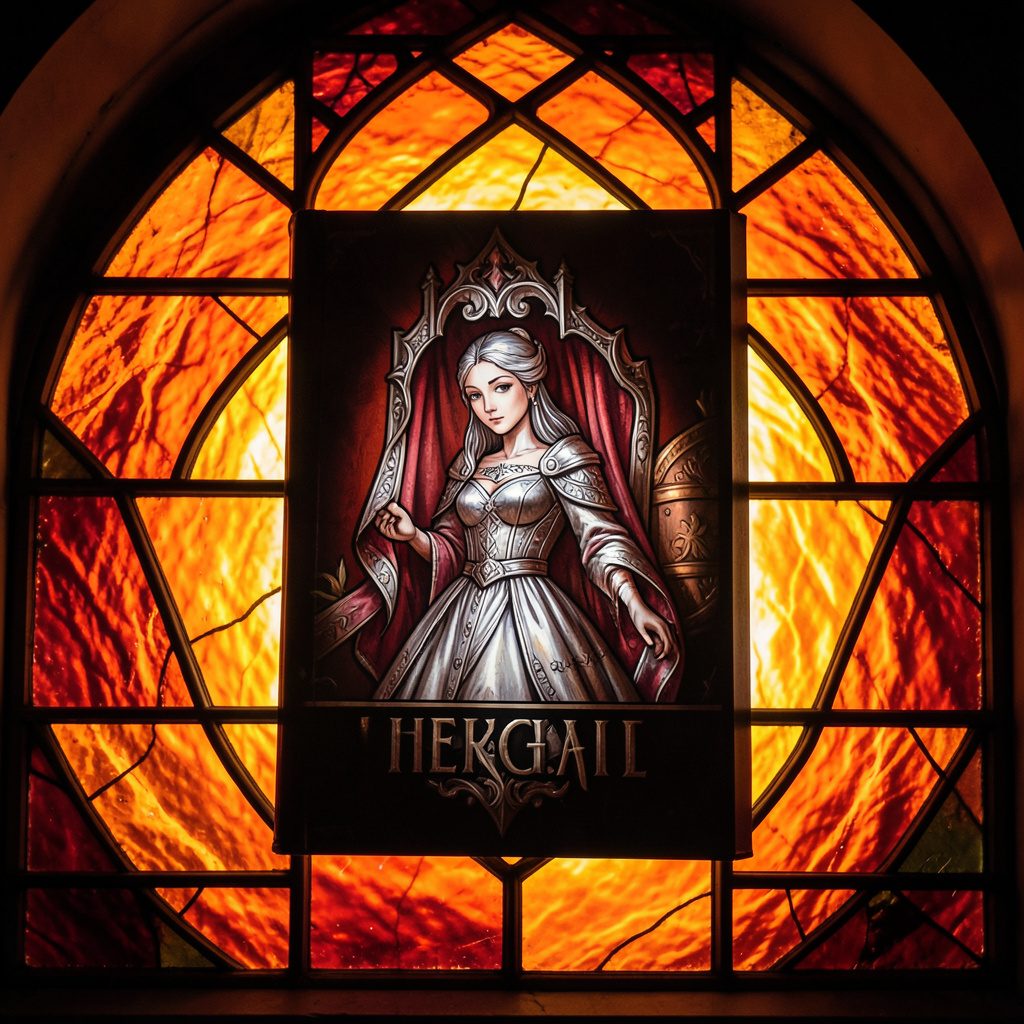
Selected works from across our quarterly issues, gathered into a printed volume. Past print runs have appeared in limited quantities and are available while supplies last.
Volumes cover poetry, short fiction, photography, paintings, drawings, reviews, and interviews — curated to reflect the breadth of artists who have shared their paths in the journal.
Browse Past IssuesInside the Pages
Since 2011, Stone Path Review has hosted contributions from more than twenty artists — poets, photographers, musicians, and filmmakers — along with interviews, readings, and film entries.
Recent volumes have included poetry from Mark Doty and Jim Harrison, an interview with a jazz musician from Minneapolis, MN, and the short film Efflorescence from Deep Field Cinema.

From the Blog
An all-star cast assembled for the fall issue — poetry, short stories, photography, and an interview with a jazz musician from Minneapolis, MN.
Read More →
A featured film entry from Deep Field Cinema, programmed as part of our ongoing screen series.
Read More →
418 Publishing, Inc. was started as the parent company of Stone Path Review, with five issues published by this point.
Read More →
Photography and artist interview, part of an ongoing series highlighting new and established contributors.
Read More →
A recorded poetry reading captured on video and shared alongside the print issue.
Read More →
Browse past quarterly issues of Stone Path Review, available online with limited print quantities.
Read More →