Events
Fall Issue Update
An all-star cast assembled for the fall issue — poetry, short stories, photography, and an interview with a jazz musician from Minneapolis, MN.
Read More →An Artistic Journal · Est. October 2011
A quarterly publication — online and in print — joining poets, photographers, painters, storytellers, and musicians into one open forum for cross-cultural expression.
Email turned sending a message into a flick, a tap or a three-second voice note. A reply can cross continents while breakfast is still warm, and a photograph can travel without paper, stamps or a journey through a sorting room. The speed is welcome, especially for people whose work and family networks cross time zones. It also creates a peculiar imbalance: everything arrives at once, and little seems to remain.
Why we still write letters in the age of email is not a claim that old methods are superior. Letters survive because they offer a different relationship between thought, time and the person receiving them. They make attention visible. They can carry handwriting, pressure, folds and mistakes that no uniform typeface can reproduce. For an artistic journal such as Stone Path Review, the private note and the public artwork share the same basic impulse: to make a human encounter from words.
A letter imposes a useful delay between intention and delivery. Choosing a sheet, finding a pen and composing a sentence by hand slows the thought enough for revision to happen. Crossing a line does not erase it; you can pause, tense the paper or add a note in the margin. The result may look less polished than a typed email, but it often feels more considered. The writer is delivering more than information. They are making an object that asks for a recipient’s time.
Postmark, envelope and handwriting also disclose context without turning communication into data mining. A birthday card carries different weight when its cover is creased from travel. An apology can contain the slight tremor of a hand, and a typed letter can preserve dignity while carrying equally personal choices of paper, spacing and sign-off. Digital messages are not cold, yet their fluid sameness can make one voice blur into another. A page gives the sender somewhere to be specific, even when the words are ordinary.
Writing by hand engages senses that typing largely bypasses. The weight of the pen, the drag of ink, the need to turn the page: these are not decorative details but part of the meaning. A writer who says too much can see the excess on the sheet and decide to leave it out. That small encounter with limit can sharpen generosity, especially in correspondence that hopes to be read closely rather than merely acknowledged.
The appeal is not nostalgia for stationery. It is the value of a bounded exchange. A letter has edges: a beginning, an ending, a page that can be filled and another that remains open. Digital communication encourages branching conversations in which the original question may disappear beneath replies. The smaller scale of a letter can preserve intimacy. Cross-cultural writing also gains from this focus, since a translator, editor or reader can give each phrase room to resonate. Independent presses such as Tinghir Press help sustain this material literary culture, keeping physical form connected to creative exchange.
A posted letter contains several kinds of time. There is the time of composition, the wait at the post office, the journey through sorting depots and the interval before a reply. Even an email has a time of writing and reading, but its surfaces encourage us to imagine delivery as immediate. A letter’s pauses let anticipation gather. They also let the physical object accumulate evidence of the route.
| Feature | Handwritten letter | Instant message | |
|---|---|---|---|
| Pace | Days or weeks, depending on the route | Seconds to hours | Immediate |
| Evidence | Ink, pressure, folds, paper, postmark | Metadata, attachments, searchable history | Often temporary and easy to scroll past |
| Attention | Sustained by delay and physical size | Flexible, but easily buried | Fragmented and brief |
| Reach | Limited by postal access and cost | Global and inexpensive | Global, but dependent on platforms |
| Intimacy | Personal, bounded and deliberate | Can range from casual to formal | Usually concise and reactive |
Digital correspondence has different virtues, so the comparison is not a contest with a fixed winner. Email can carry long documents, preserve searchable histories and connect people who could never exchange paper. A letter can be copied, scanned and forwarded too. What the page does particularly well is concentrate many signals into one encounter: size, texture, handwriting, address and the reader’s own unpacking of it. Stone Path Review’s current journal issues bring together forms that benefit from this density, pairing visual art with writing rather than treating the screen as the only possible destination for creative work.
Australia makes the geography of correspondence unusually vivid. A letter can travel from a property outside Dubbo to a flat in Melbourne, from a fishing town on the Tasmanian coast to a house in Brisbane, or across thousands of kilometres to relatives in London and Auckland. Long distances give postal delivery a visible presence. In country districts, the Australia Post office can remain a social hub where people collect parcels, swap local news and ask the postmaster whether a registered letter has arrived.
Urban Australia has its own small rituals. In older Sydney terraces and suburban homes, a letter often waits behind a gate or in a metal letterbox; in newer Melbourne apartment buildings, it may pass through a communal mailroom or appear on a door. At a reading in a narrow Melbourne laneway, a handwritten note passed from table to table can feel like part of the event itself. These scenes show how a letter can operate as a social object as well as a private message, turning a small square of paper into a brief exchange among strangers.
The local voice matters too. Australian conversation often favours understatement, dry humour and plain words: a letter might call an inconvenience “a bit of a hassle”, greet a delay with “no worries”, or describe a chaotic trip as “fair dinkum”. Not everyone speaks this way, and forced slang can sound careless. Used naturally, however, such phrasing lends an epistle a distinct rhythm. The Australian market for small literary journals operates through independent bookshops, zine fairs, literary festivals, memberships and print sales, allowing a quarterly publication to feel close to the people who make and read it.
Paper, postage and choice still shape a letter’s meaning. A writer can select sturdy card for an invitation, recycled stock for an apology or lined paper for a story meant to be kept. These decisions need not announce preciousness. Cheap stationery can carry the most personal words, and a reused envelope can add history rather than reduce dignity. The point is that form remains available as language, allowing sender and recipient to participate in making the message.
Material form also forces practical questions. Postal stamps cost money, delivery can be slow, and handwriting may be difficult for some people. A private letter should not become an accessibility test. Typed notes, large-print sheets, audio messages and carefully worded emails can carry the same intention, while a posted copy can serve people who value the ritual. What matters is the care behind the instrument. Stone Path Review’s mix of online and print publishing recognises this choice: the digital edition can open the door, while the printed issue can become something a reader browses, annotates and places on a shelf.
Letters can sit beside email without competing with it. Electronic writing suits logistics, collaboration and time-sensitive updates; a letter suits reflection, celebration and the kind of communication that benefits from being read twice. Writers can use both forms deliberately. A hurried email can announce a project, while a later letter develops the idea with more texture. Readers, in turn, can appreciate the difference rather than treating one channel as the authentic choice.
People who want to keep in touch can join the mailing list for news about forthcoming work and future issues. The following practices help a letter retain its clarity and value without turning correspondence into a performance of nostalgia.
The point is not slowness itself. A brisk note can still be thoughtful, and a carefully posted letter can still be brief. What changes is the writer’s awareness that form, timing and attention all contribute to meaning.
Writing still matters because a message can become more than a transaction. It can alter the person who receives it, repair a distance, welcome a stranger into a community or preserve a particular stage of a life. A letter does not need grand language to do that work. The phrase “I was thinking of you”, set beside a small photograph or an honest account of an ordinary day, can carry enough weight to be folded, opened and reread.
Stone Path Review welcomes letters and letter-based work from artists and readers around the world. A handwritten epistle, a typed reflection, a photographic essay built around correspondence or a story told through exchanged notes can all belong in its pages. Contributors can share a pitch with the editors, describing the form, length and cultural connections of the work. The journal does not charge a reading or submission fee, and its open, cross-cultural outlook makes the letter especially fitting: it is personal enough to reveal a voice and structured enough to travel.
Choose a message that deserves the time it asks of someone else, then send it with care, in a form that respects both the writer and the recipient. The medium is changing, but the human desire to leave a trace remains. A letter still offers one: something tangible, intentional and capable of arriving in a world that moves too quickly to notice.
Identity & Recognition
Featured Book
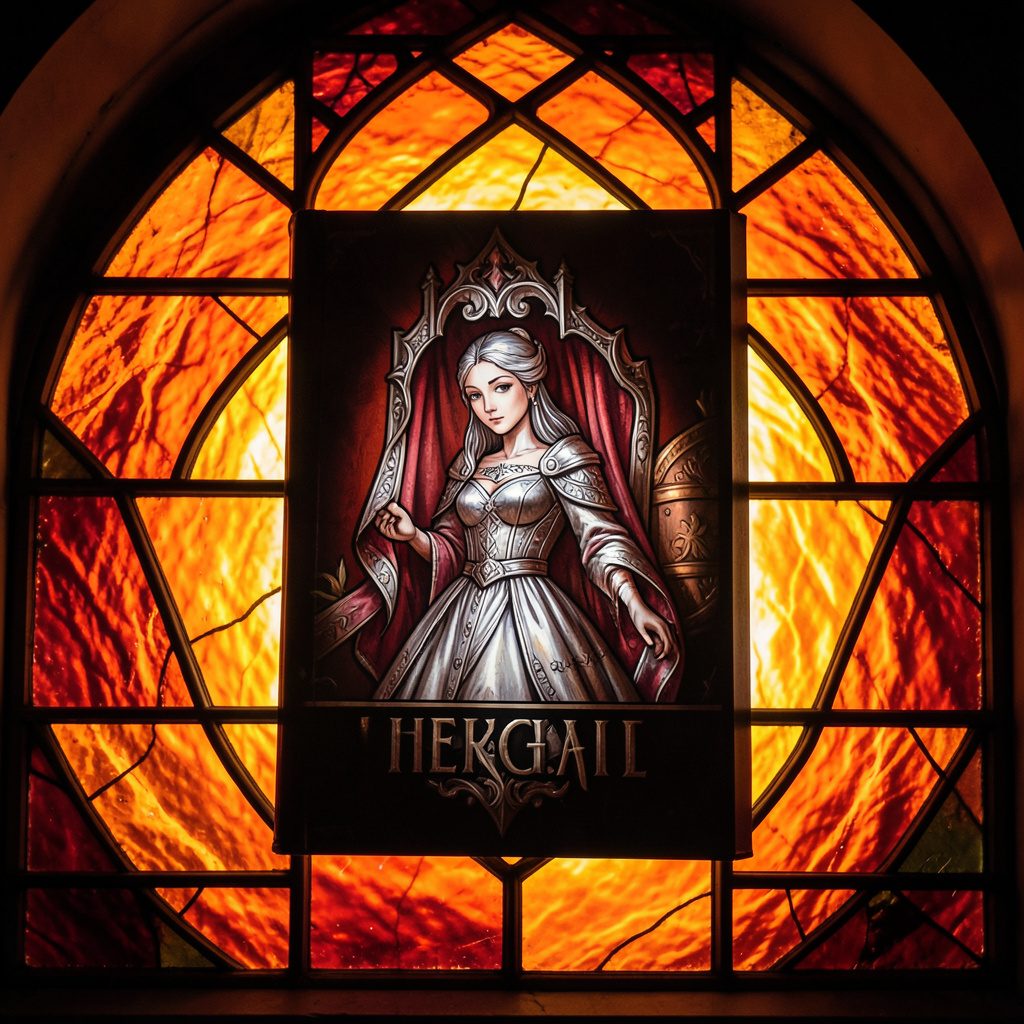
Selected works from across our quarterly issues, gathered into a printed volume. Past print runs have appeared in limited quantities and are available while supplies last.
Volumes cover poetry, short fiction, photography, paintings, drawings, reviews, and interviews — curated to reflect the breadth of artists who have shared their paths in the journal.
Browse Past IssuesInside the Pages
Since 2011, Stone Path Review has hosted contributions from more than twenty artists — poets, photographers, musicians, and filmmakers — along with interviews, readings, and film entries.
Recent volumes have included poetry from Mark Doty and Jim Harrison, an interview with a jazz musician from Minneapolis, MN, and the short film Efflorescence from Deep Field Cinema.
From the Blog
An all-star cast assembled for the fall issue — poetry, short stories, photography, and an interview with a jazz musician from Minneapolis, MN.
Read More →
A featured film entry from Deep Field Cinema, programmed as part of our ongoing screen series.
Read More →
418 Publishing, Inc. was started as the parent company of Stone Path Review, with five issues published by this point.
Read More →
Photography and artist interview, part of an ongoing series highlighting new and established contributors.
Read More →
A recorded poetry reading captured on video and shared alongside the print issue.
Read More →
Browse past quarterly issues of Stone Path Review, available online with limited print quantities.
Read More →