Events
Fall Issue Update
An all-star cast assembled for the fall issue — poetry, short stories, photography, and an interview with a jazz musician from Minneapolis, MN.
Read More →An Artistic Journal · Est. October 2011
A quarterly publication — online and in print — joining poets, photographers, painters, storytellers, and musicians into one open forum for cross-cultural expression.
Folk tales endure because they move easily between private memory and public meaning. A story told beside a fire, in a kitchen, on a tram, or through a battered picture book can carry fears and hopes across generations. Its familiar pattern gives artists a structure to enter, alter and question. The old tale becomes a living material rather than a sealed historical object.
Contemporary artists return to these narratives for their elasticity. A forest may become a city edge, a monster may represent an algorithm, and a humble transformation may speak to migration, climate anxiety or gendered power. Across writing, photography, performance, painting, film and artists’ books, folklore offers a shared vocabulary for experiences that are difficult to name directly.
Folk tales are often reduced to moral lessons, yet their deepest power lies in their uncertainty. They contain hunger, jealousy, exile, desire, punishment and luck without resolving every contradiction. Contemporary artists can use that ambiguity to explore lives shaped by precarious work, displacement, surveillance or environmental loss.
The Australian landscape gives these concerns a particular charge. A story about a threatening forest changes when its setting becomes the bush after a severe fire, a dry inland road or the scrub beside a rapidly expanding suburb. The landscape is not a decorative background; it has its own history, including the continuing cultures and custodianship of Aboriginal and Torres Strait Islander peoples. Artists working with Indigenous stories must recognise that many are connected to Country, law and community rather than being freely available motifs.
A visual artist might therefore borrow the rhythm of a quest without claiming ownership of a sacred narrative. A poet may create a new local fable about smoke, water or housing while acknowledging the traditions that make the land legible. In this way, the return to folk narrative becomes an act of attention, not a retreat into nostalgia.
Transformation is one of folklore’s most adaptable devices. A frog becomes a prince, a poor child gains unexpected power, or a traveller crosses a threshold and returns changed. Contemporary art can preserve that movement while refusing the old promise that transformation must lead to wealth, marriage or social acceptance.
In a Sydney gallery, a series of portraits might recast the enchanted disguise as a meditation on migrant identity and the roles people perform at work, at home and in public. In Melbourne’s laneways, a mural or projection could turn the trickster into a figure for navigating bureaucracy, property development and digital platforms. The old shape remains recognisable, yet its emotional destination shifts.
Performance makes this process especially immediate. A theatre-maker can use repetition, direct address and abrupt changes in voice to reveal how a person learns to survive a restrictive role. The practical language of dramaturgy and performance helps show that adaptation is built through pacing, staging and collaboration, rather than through plot alone. A tale changes when bodies, rooms and audiences change around it.
Folklore depends on atmosphere: the dark path, the hidden room, the glint of something just beyond sight. Photography and moving image can recreate that atmosphere without illustrating a story literally. A shadow on a fence, a face half-obscured by glare or an empty chair may suggest a presence more forcefully than a staged monster.
The choice of monochrome can make this suggestion feel tactile and unstable. In a culture flooded with vivid screens, black-and-white film slows perception and directs attention towards texture, contrast and absence. Its restraint can recall an inherited photograph, a newspaper image or a memory that has been repeatedly retold.
This does not mean that folk-inspired art must look antique. Digital manipulation, video loops and synthetic images can create their own forms of enchantment. What matters is the gap between what is shown and what is withheld. That gap invites viewers to participate, bringing their own family stories, fears and cultural references into the work.
The darkroom offers a useful metaphor for the way folk tales develop. An image begins unseen, emerges through a process of exposure and requires patience before its details become clear. The artist does not simply retrieve a finished picture; they make decisions that shape what can be recognised and what remains obscured.
This is why the photographer’s darkroom practice can resonate with contemporary reworkings of myth. Both rely on selection, contrast and timing. A familiar narrative may be exposed to a new social reality, then printed with certain characters enlarged, marginalised or removed. The result can reveal the assumptions concealed inside the original.
For Australian artists, these processes can also hold a relationship to distance. A regional photographer working far from major institutions may approach folklore through local archives, family albums, community halls or stories exchanged at a country show. The work can resist the pressure to make every image instantly legible to a national or international market. Its slower, situated quality becomes part of its meaning.
A folk tale changes as it travels from mouth to mouth, and artists’ books make that movement physical. Paper can be torn, folded, stitched, stained or layered. A repeated image may appear like a refrain, while a missing page can create the feeling of a suppressed episode. Reading becomes a small act of discovery, closer to handling an heirloom than scrolling through a feed.
The craft of artist book binding reminds us that form carries narrative. A tight binding may suggest control; loose pages may imply a story escaping its official version. In a country where independent bookstores, zine fairs and small publishing events create vital meeting points, the handmade book also offers an alternative to mass circulation.
That alternative matters in the Australian market, where artists often work across modest print runs, regional festivals and online sales. A beautifully made edition can move between a gallery in Adelaide, a stall at a Melbourne writers’ festival and a personal collection in Perth. Its value is measured through touch, conversation and durability as much as through visibility.
The popularity of folklore can create ethical problems. A tale may appear to belong to everyone because it has many versions, while its particular language, symbols or ceremonial context belongs to a specific community. Contemporary artists need to distinguish between an open narrative tradition and a story that should not be reproduced, adapted or commercialised without permission.
This question is especially important in Australia, where Indigenous cultural expression has often been taken, renamed and sold without consent. A respectful practice may involve collaboration, attribution, cultural consultation and a willingness to leave some material untouched. During NAIDOC Week and throughout the year, audiences encounter reminders that recognition is meaningful only when connected to sovereignty, living communities and material support.
Other folk traditions also carry histories of movement and unequal power. A European fairy tale adapted in Brisbane, a Greek legend retold in western Sydney or a South Asian ghost story performed in Darwin will gather new meanings through local accents and audiences. Adaptation should make those crossings visible rather than pretending that culture is a costume available for anyone’s use.
Folk tales create a meeting place between individual imagination and collective experience. They can be retold in a poem, sampled in a song, projected onto a building or reworked as a comic. The recognisable bones of the story give audiences a way in, while the artist’s alterations ask them to reconsider what they thought they knew.
Their continued presence also reflects a hunger for forms that can hold contradiction. A contemporary fable may be frightening and funny, intimate and political, local and global. It can speak to a child hearing a story in a family home, a commuter passing a public artwork near a Sydney ferry terminal, or a reader finding a handmade chapbook at a regional arts market.
Returning to folk tales does not require reverence for the past. It requires curiosity about how stories survive, who has been excluded from them and what they might become when placed in a different voice. Their future lies in careful transformation: keeping the pulse of the old narrative while allowing new people, places and realities to enter its imaginative world.
Stone Path Review welcomes work that explores these crossings through poetry, fiction, essays, reviews, photography, painting, drawing, music and video. Submit a piece shaped by inherited stories, local memory or an entirely new fable; there are no reading or submission fees, and contributions can join an open international conversation between artists and readers.
Identity & Recognition
Featured Book
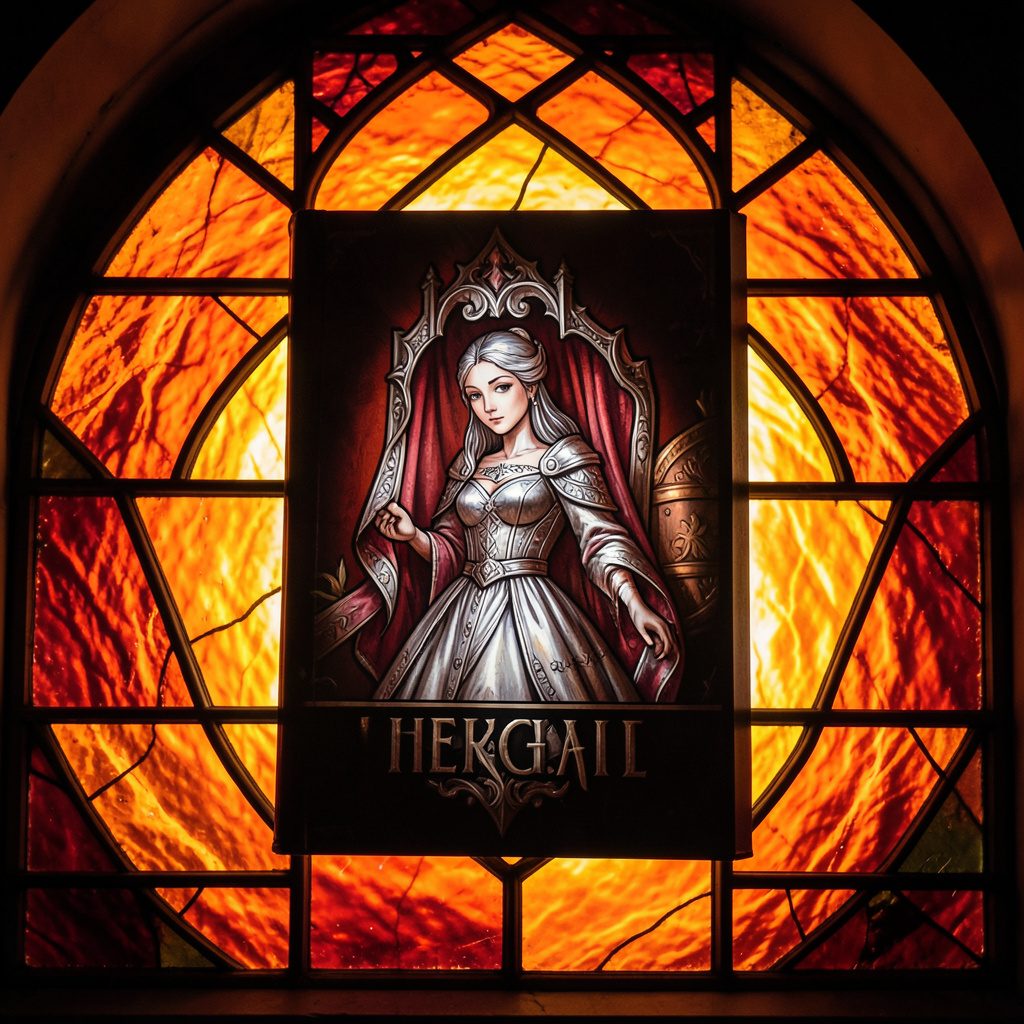
Selected works from across our quarterly issues, gathered into a printed volume. Past print runs have appeared in limited quantities and are available while supplies last.
Volumes cover poetry, short fiction, photography, paintings, drawings, reviews, and interviews — curated to reflect the breadth of artists who have shared their paths in the journal.
Browse Past IssuesInside the Pages
Since 2011, Stone Path Review has hosted contributions from more than twenty artists — poets, photographers, musicians, and filmmakers — along with interviews, readings, and film entries.
Recent volumes have included poetry from Mark Doty and Jim Harrison, an interview with a jazz musician from Minneapolis, MN, and the short film Efflorescence from Deep Field Cinema.

From the Blog
An all-star cast assembled for the fall issue — poetry, short stories, photography, and an interview with a jazz musician from Minneapolis, MN.
Read More →
A featured film entry from Deep Field Cinema, programmed as part of our ongoing screen series.
Read More →
418 Publishing, Inc. was started as the parent company of Stone Path Review, with five issues published by this point.
Read More →
Photography and artist interview, part of an ongoing series highlighting new and established contributors.
Read More →
A recorded poetry reading captured on video and shared alongside the print issue.
Read More →
Browse past quarterly issues of Stone Path Review, available online with limited print quantities.
Read More →