Events
Fall Issue Update
An all-star cast assembled for the fall issue — poetry, short stories, photography, and an interview with a jazz musician from Minneapolis, MN.
Read More →An Artistic Journal · Est. October 2011
A quarterly publication — online and in print — joining poets, photographers, painters, storytellers, and musicians into one open forum for cross-cultural expression.
Storytelling has always been a search for the right container. Some narratives arrive fully shaped as prose, breathing easily across long sentences and chaptered arcs. Others insist on a different vessel — one that prizes compression, a rise and fall of breath, the lightning flash of a single image. Verse has an ancient kinship with the telling of hard-won truths, and contemporary writers across Melbourne, Perth, and the wider Asia-Pacific continue to rediscover what older traditions, including Aboriginal songlines that carry Tiddalik stories across Arnhem Land, have always known. When the music of language becomes part of the meaning, a story lodges in the body instead of slipping past the eye.
This is not a dismissal of prose but a recognition of its limits. The novel has vast rooms to walk through, yet some experiences refuse to be turned into hallways. Grief, sudden joy, a moment of recognition between strangers on a Sydney ferry — these can be flattened by sprawl. Poetry hands them back their edges by parceling language into measure, repetition, and silence. The result is not a smaller story but a more concentrated one, often requiring the reader's breath to complete the work the writer has left suspended.
Every poem carries a pulse that shapes meaning before a single word is decoded. When a poet in Fremantle writes about a childhood thunderstorm on the Indian Ocean coast, the reader does not just understand the storm — they feel its interval between flashes. Metre and repetition are the architecture of attention. A reader's body leans forward to receive the rhythm, and in that leaning, the speaker becomes less a distant narrator and more a companion at the same fire. Open-mic nights in Brisbane bars, regional journals such as Azay Art Magazine, and the cramped stages of community halls carry these inherited patterns into rooms where the writer and listener breathe the same air.
Prose can imitate this. The prose poem, the riff, the lyric essay — all trade in heightened language. Yet even the most musical prose rarely makes breath a structural element the way line breaks do. Verse turns the reader into a participant who, by pausing at line endings, supplies half the music. The page asks the eye to find new paths through familiar syntax, mirroring how an unreliable narrator remembers, how a child circles an answer, how grief refuses to move in a straight line.
This is why certain stories refuse to be written any other way. An inheritance passed through three generations, the slow erosion of a wheat-belt farm near Mildura, the first word a refugee whispers to a caseworker in Western Sydney — these are stories where what is left out matters as much as what is said. Verse, with its silences built into its structure, gives those absences a dignified place.
Some narrative situations simply breathe easier in measure. Among them are several that recur in Australian literary life, from schoolrooms in regional Victoria to the open-mic nights of Brisbane bars:
What unites these situations is a quiet wager: that what cannot be said across a long paragraph may yet be carried in a tight measure. When the wager pays off, the reader exits the poem quietly changed in some small, irreversible way.
Australian poets have long understood restraint as generosity. In a country where the continent itself can dwarf a human voice, the lesson arrives early: small packages carry further than long speeches. The best verse storytellers know an image of a snake sunning on a sandstone ledge near Katherine can stand for an entire essay on environmental precarity. Compression is not a loss of meaning but a deepening — the same instinct that guides a maker who chooses when to break a vessel. what a ceramicist learns from breaking pots, an essay from a sister publication, treats breakage as method, and the lesson crosses into language: what we leave out is as deliberate as what we put in.
The line break is a verse writer's most powerful tool. Where prose uses the comma as a polite pause, the line break is a deliberate decision — a refusal or invitation. A reader who reaches the right margin and finds a fragment alone on the page must pause and consider what has been withheld. That pause is not empty; it is where the reader's experience fills the shape of the writer's absence. Indigenous Australian verse, much of it performed rather than read silently, has always worked this way: what arrives between lines carries the ancestors, the country, the silence of cleared forests.
The performative dimension matters. A poem read aloud in a Brisbane bookshop, a verse play staged in Adelaide, a spoken-word piece commissioned for a Melbourne Writers Festival panel — these are not footnotes to the text. They are the moment when the writing finally arrives at its full register, and they reveal why some stories were always meant to be sung, chanted, or half-sung to the hum of an audience.
The texture of place shapes the texture of verse. A writer growing up on the New South Wales coast often writes in a measure different from one raised along the Murray. The salt, the heat, the particular blue of a winter sky over Hobart inscribe themselves in cadence before they appear in image. Sydney Harbour at dawn, ferries cutting their low wake past the Opera House, has produced a recognisable school of meditative poets who return again and again to water as a metaphor for unsayable feeling. Melbourne's literary culture, with its long café inheritance and the visual legacy of the Heidelberg school, tends toward more conversational rhythms, the kind found in verse novels that play with vernacular.
Regional presses do quiet work keeping these voices in circulation. A writer publishing in an Australian-based magazine often appears alongside international contributors, whether the platform is in Brisbane or a sister city overseas. The wider arts scene folds photography and essay together with verse. The dialogue between material and language is constant, even when unstated: a fissure can gather light, a compression can be a way of opening. Sister publications extend this exchange to readers who may never share a continent.
Several poetic shapes have always been hospitable to story, and writers reach for them when prose would dilute the charge. Among those most beloved in Australian verse practice:
What unites these shapes is their willingness to be borrowed, broken, and quietly reset in the cadence of another writer's hand. That circulation, more than any single innovation, is what keeps Australian verse storytelling alive. Many of these lessons reach readers through the live events that accompany each publication: launches, panels, open mics where the borrowed forms become audible and the audience shares the borrowed breath.
Verse comes alive when shared aloud. This is not sentimentality but structure. The pauses in a spoken poem correspond to line breaks of the printed version, but the speaker must also breathe, look up, and receive the listener's silence. In this exchange the story becomes communal. Australian literary festivals have built their public identity around such moments — the late-night slam at the Sydney Writers' Festival, the lunchtime reading at the Brisbane Powerhouse, the open-air verse gathering on a Hobart wharf in autumn.
Reading together does something else. It gives the slow or difficult poem an interpreter who can pull meaning into the room before the listener's patience fails. This has always mattered for verse that wants to teach, bringing difficult truth into easier reach. The format works online too, and many journals now pair print issues with audio companions. For readers seeking live sessions, panels, and print launches, most journals maintain their own calendar of gatherings — one of the quieter pleasures of belonging to an active literary community.
Cultural change also reshapes where verse can travel. The rise of the live casino australian market has changed the texture of ordinary evenings, giving writers fresh satire. A poet in Parramatta now finds local texture includes late-night screens and the geography of chance alongside older rhythms of footy crowds, tram commutes, and Sunday roasts. Verse that wants to stay alert must absorb these textures without becoming enslaved to them.
If you have a story that resists the paragraph, send it in. Stone Path Review welcomes poems and verse-driven narratives from new and established writers, with no reading fees and no submission charges. The page is waiting for the music only you can give it.
Identity & Recognition
Featured Book
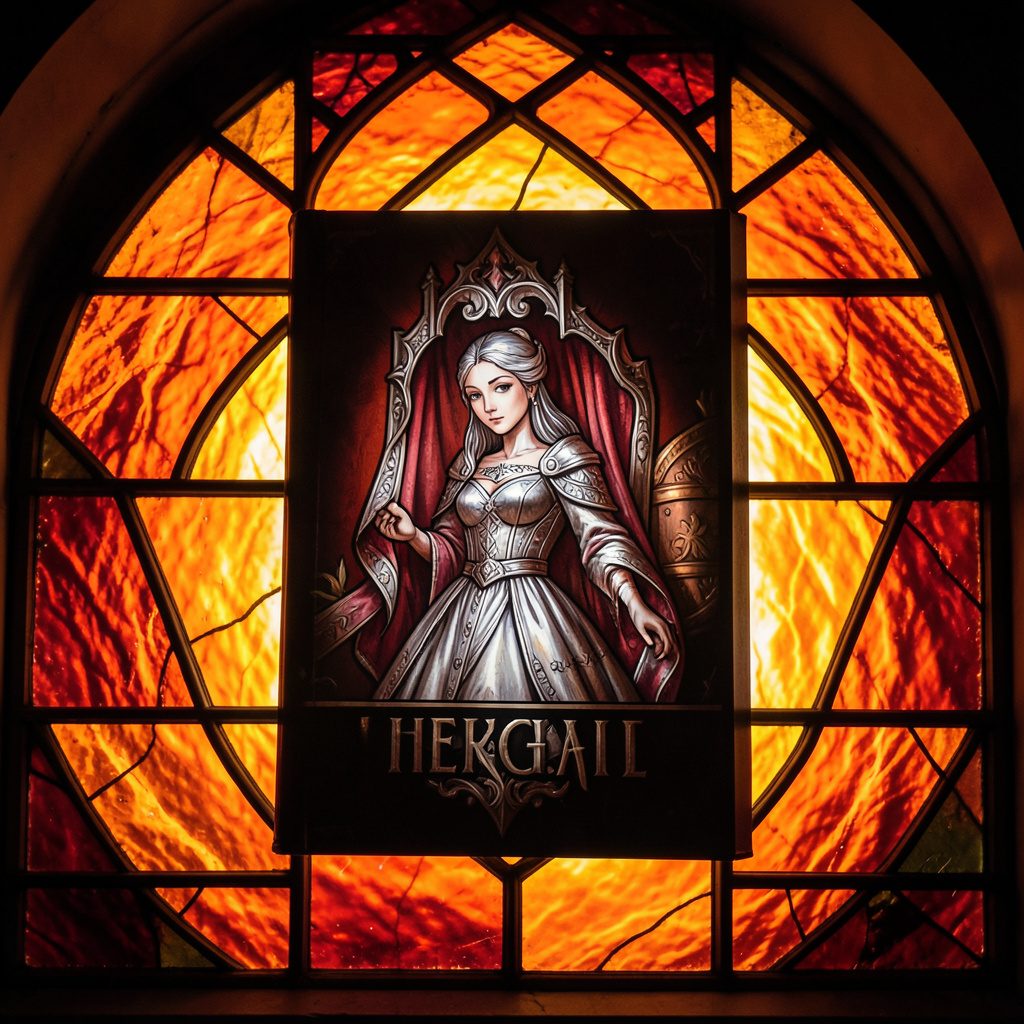
Selected works from across our quarterly issues, gathered into a printed volume. Past print runs have appeared in limited quantities and are available while supplies last.
Volumes cover poetry, short fiction, photography, paintings, drawings, reviews, and interviews — curated to reflect the breadth of artists who have shared their paths in the journal.
Browse Past IssuesInside the Pages
Since 2011, Stone Path Review has hosted contributions from more than twenty artists — poets, photographers, musicians, and filmmakers — along with interviews, readings, and film entries.
Recent volumes have included poetry from Mark Doty and Jim Harrison, an interview with a jazz musician from Minneapolis, MN, and the short film Efflorescence from Deep Field Cinema.
From the Blog
An all-star cast assembled for the fall issue — poetry, short stories, photography, and an interview with a jazz musician from Minneapolis, MN.
Read More →
A featured film entry from Deep Field Cinema, programmed as part of our ongoing screen series.
Read More →
418 Publishing, Inc. was started as the parent company of Stone Path Review, with five issues published by this point.
Read More →
Photography and artist interview, part of an ongoing series highlighting new and established contributors.
Read More →
A recorded poetry reading captured on video and shared alongside the print issue.
Read More →
Browse past quarterly issues of Stone Path Review, available online with limited print quantities.
Read More →