Events
Fall Issue Update
An all-star cast assembled for the fall issue — poetry, short stories, photography, and an interview with a jazz musician from Minneapolis, MN.
Read More →An Artistic Journal · Est. October 2011
A quarterly publication — online and in print — joining poets, photographers, painters, storytellers, and musicians into one open forum for cross-cultural expression.
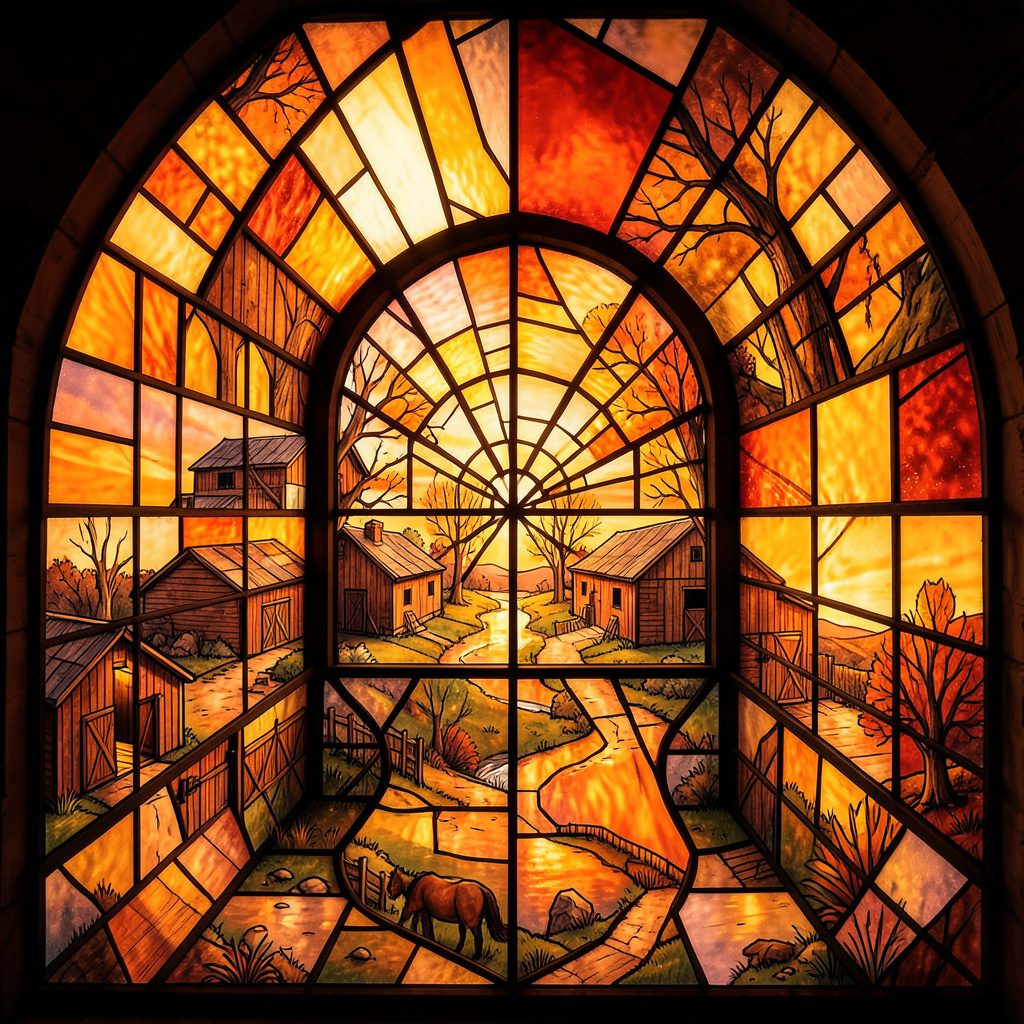
Knowledge of patience in watercolour is a practice of waiting without making waiting passive. On damp paper, a loaded brush releases colour in a direction the painter can influence but never fully dictate. A wash deepens, granulates, lifts, or settles into a soft edge. The useful skill lies in seeing what is happening, stopping before certainty becomes a mistake, and allowing the next action to follow the medium rather than the imagined result. Patience here is not delay for its own sake; it is attentive, practical knowledge of materials in motion.
Stone Path Review takes that knowledge seriously as more than a studio technique. Its quarterly pages gather poems, stories, essays, reviews, photography, painting, music, and moving image from many cultures, so each work remains open to a reader beyond its place of origin. The current journal issues show the range of that exchange. Reading them is to encounter the wider lesson of watercolour: perception changes when we stay with it long enough to register fine differences.
Watercolour makes time visible. A pale wash may look dry enough to touch, yet a second layer can disturb it and create a bloom. Thick paper holds moisture for different lengths; warm, dry air pulls a surface together quickly, while cooler conditions preserve the fluid character of a wash. The painter learns a vocabulary of seconds: when to tilt the sheet, when to add water, when to lift a shape, and when to leave everything alone.
A guide to how video slots work offers an unlikely but instructive lesson in visual rhythm. Its sequences depend on repetition, instant feedback, and anticipation, which can resemble the repeated decisions inside a studio. The difference is ethical as well as mechanical. A painter who waits only for a dramatic result will miss the quieter evidence of pigment moving through fibres, pooling at an edge, or changing the colour of what was laid down before.
The patient painter prepares several possibilities without forcing them all into the image. A clean rinse, diluted colour, and a loaded dry brush can each solve a different problem. Negative painting can restore a light that seemed lost; glazing can deepen a quiet shadow; a controlled accident can introduce the irregularity that measured brushwork lacks. Slowness here is not sterility. It is the discipline of allowing each mark to become legible.
Australia gives the watercolourist a demanding education in changing conditions. Melbourne’s sudden cool changes can turn a clear sky into a grey veil before the painter has closed a tin lid. Sydney Harbour’s light sharpens shadows and makes warm glazes sing. Brisbane’s humidity keeps washes open, while Perth’s dry heat can pull water from the edges of a sheet before the eye notices. Hobart’s wind tests boards, clips, and umbrellas with equal persistence. Each climate alters more than schedule; it alters the behaviour of pigment.
These climates enter ordinary Australian routines. Artists often build a plein-air session around a walk to the Yarra, a morning beside Sydney Harbour, or a late afternoon near Brisbane’s botanic gardens. A thermos, sandwich, folding stool, and small sketchbook become as important as the palette. Waiting for a shower, sitting under a verandah, or watching cloud shadows move across a street are not empty intervals. They are observations in their own right, notes made with the body before they become marks.
That attention changes studio decisions. An artist who paints after a humid day may keep the rinse cup cleaner and dilute more readily; another who works in dry heat may preload paper, soften edges, and complete small studies before the paper loses moisture. The pigment behaves differently, but the task remains consistent: meet the material where it is, then make a clear enough mark to carry that encounter forward.
The local market rewards work that reveals both control and life. Galleries, open studios, weekend markets, print sellers, and online shops form different levels of the trade, from affordable original works to larger commissions and limited editions. A patient practice can withstand commercial pressure because its quality is built through revision, careful materials, and a willingness to let an image become quieter and more exact. Slow does not mean unmarketable; it means the finished sheet has survived a scrutiny invisible at first glance.
Records matter as much as making. The Copyright Act 1968 (Cth) generally leaves copyright with the creator unless an agreement says otherwise, and assignments of ownership must be in writing. A contract can distinguish ownership of the physical painting from reproduction and print rights. For consumer commissions, the Australian Consumer Law may require agreed services and goods to meet relevant guarantees, so a written brief should state materials, schedule, revisions, and cancellation terms without trying to govern artistic judgement in vague language. Clear paperwork protects both sides of a slow collaboration.
Habits that keep a small practice steady
Qualities buyers and collaborators recognise
Patience also shapes how a painter receives a sale. Feedback can be useful without becoming a committee; a curator may notice something the maker overlooked. The wise response is to distinguish a request that deepens the work from an instruction that erases its character. This is not stubbornness but editing with judgement, a skill built in the same place as timing a wash: listen closely, decide clearly, and act at the right moment.
A painting made with patience often gives unusual care to the person who will encounter it. The maker leaves room around a form, notices the social life of a street, and allows a detail to carry meaning without explaining it away. Such attention can cross borders. A kitchen in Naples and a shared flat in Melbourne may both hold crowded tables, drying laundry, chipped bowls, and gestures that announce belonging more clearly than a formal portrait would.
The work becomes an invitation to look slowly. This is why artistic publishing matters. Azay Art Magazine offers another platform for contemporary voices and visual ideas, showing how a shared page can place a painter beside a poet, musician, or photographer without flattening their differences. At Stone Path Review, creators can meet in a similar open forum, with the common ground located not in a prescribed theme but in the willingness to make something another person can enter.
Patience extends to the reader as well. A difficult poem, a quiet image, or an unfamiliar musical phrase may not disclose its value at first. By creating space for sustained attention, an artist practices hospitality across cultural difference. The gesture is simple: finish with enough care that the work does not need to announce its importance, and leave enough openness that it can begin a conversation.
Before sending work out, an artist can ask whether it has been seen clearly enough. The check is practical rather than glamorous: confirm the masthead’s current guidelines, prepare a short biography, supply a clean image, and make sure the submission reflects the discipline of the piece itself. The Stone Path masthead provides editorial and contact information; Stone Path Review does not charge reading or submission fees, which keeps access open to creators who may lack institutional support.
A submission should carry the same patience as the painting. Remove a weak paragraph, sharpen the caption, check permissions for reproduced material, and leave space around the work in the artist’s own archive. Digital files can seem final because they are easy to duplicate, yet a considered file still benefits from careful selection and naming. Revision does not add ornament. It clarifies what the artist wants another person to receive.
The final step is movement. Read beyond your own discipline, encounter unfamiliar forms, and place your work where it can meet a responsive audience. Then submit the piece that holds your attention when doubt has passed. Choose a poem, story, essay, image, painting, recording, or film that reflects your encounter with the world, and send it to Stone Path Review for consideration in a future issue.
Identity & Recognition
Featured Book
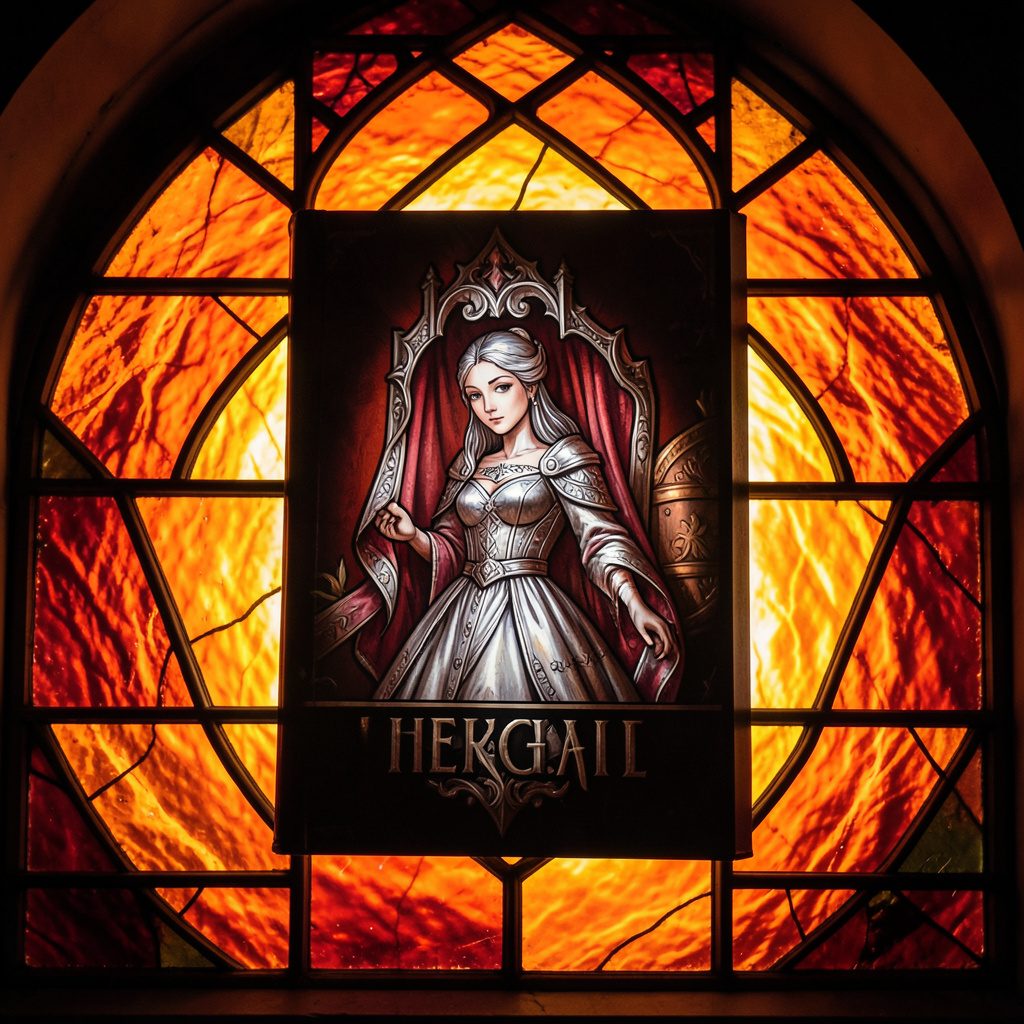
Selected works from across our quarterly issues, gathered into a printed volume. Past print runs have appeared in limited quantities and are available while supplies last.
Volumes cover poetry, short fiction, photography, paintings, drawings, reviews, and interviews — curated to reflect the breadth of artists who have shared their paths in the journal.
Browse Past IssuesInside the Pages
Since 2011, Stone Path Review has hosted contributions from more than twenty artists — poets, photographers, musicians, and filmmakers — along with interviews, readings, and film entries.
Recent volumes have included poetry from Mark Doty and Jim Harrison, an interview with a jazz musician from Minneapolis, MN, and the short film Efflorescence from Deep Field Cinema.

From the Blog
An all-star cast assembled for the fall issue — poetry, short stories, photography, and an interview with a jazz musician from Minneapolis, MN.
Read More →
A featured film entry from Deep Field Cinema, programmed as part of our ongoing screen series.
Read More →
418 Publishing, Inc. was started as the parent company of Stone Path Review, with five issues published by this point.
Read More →
Photography and artist interview, part of an ongoing series highlighting new and established contributors.
Read More →
A recorded poetry reading captured on video and shared alongside the print issue.
Read More →
Browse past quarterly issues of Stone Path Review, available online with limited print quantities.
Read More →