Events
Fall Issue Update
An all-star cast assembled for the fall issue — poetry, short stories, photography, and an interview with a jazz musician from Minneapolis, MN.
Read More →An Artistic Journal · Est. October 2011
A quarterly publication — online and in print — joining poets, photographers, painters, storytellers, and musicians into one open forum for cross-cultural expression.
A pianist often hears language as timing before meaning. The entry into a dependent clause, the firm landing of a conclusion, the pause that withholds a verb: each can be felt as musical shape. At the keyboard, a phrase is not merely a group of notes. It carries breath, stress, expectation and release.
A sentence also changes when performed. Singers discover that a vowel can lengthen without damage while a consonant marks the boundary; pianists hear the same principle in legato, staccato and the weight of a bass note. Dynamics become pressure systems, while a rest is punctuation with duration.
Speech arrives with different habits of syntax and rhythm in every language, so the musical analogy is never a universal formula. It is an instrument for hearing differences: how a proposition gathers momentum, how a qualification interrupts it, and how silence can make a thought more exact.
Before touching a key, a pianist may listen for the point at which a spoken sentence wants to breathe. One breath may contain an entire proposition, while another stops to revise it. The pianist’s inhale answers the same structural question: has the thought completed itself, or is another clause still approaching?
A recurring motif can behave like a subject in a sentence. It introduces an idea, returns with altered harmony and eventually gains a response from another voice. The accompaniment supplies the predicates, denials and consequences. Memory follows the pattern, expecting its return, and the smallest change in articulation can alter its meaning as decisively as replacing a word.
That is why the cross-cultural perspective of Stone Path Review matters to this musical way of reading. Its pages hold poems, stories, essays, visual art, criticism and performance, allowing verbal and nonverbal forms to meet without forcing them into one discipline. Published online and in print by 418 Publishing, Inc., a nonprofit parent organisation, the journal treats artistic form as a language shared across borders.
In Melbourne, a tram bell can cut across a quiet phrase in a laneway venue. Across Sydney Harbour, a ferry horn may arrive between two quiet chords. Such interruptions do not destroy rhythm; they reveal how a listener edits it. The performer decides which sound belongs to the sentence, which belongs to the room and which should be allowed to vanish.
Musical stress resembles the emphasis found in speech, but it is not identical to it. A pianist can stress the first beat of a measure simply because the hand falls there, even when the melodic sentence wants emphasis elsewhere. Aligning bodily timing with verbal timing keeps the performance from sounding mechanical.
Contemporary attention adds another layer. A notification can interrupt a phrase; a streaming edit can remove the rest that gave a cadence meaning. Resources on digital life research invite the same question the keyboard asks: which sounds deserve duration, and which merely mark elapsed time?
At a pub gig, where many Australian venues allow patrons to bring their own wine or beer under house rules, glasses may clatter beside the piano while people continue talking. The pianist must treat that noise as part of the composition. A pause cannot simply mean emptiness; it may become a request for attention, a shelter for conversation or the point at which a room collectively exhales.
Australia’s live-music market extends from small independent rooms and pub circuits to country festivals and touring bands, and most public performances sit within licensing arrangements administered by APRA AMCOS. The practical consequences reach the keyboard. A familiar song may be requested as a communal ritual, while its harmonic syntax remains hidden beneath the chorus and the raised voices.
Creative work also has legal punctuation. Under the Copyright Act 1968, a musical work and a particular sound recording can have different owners, so permission to perform a composition does not clear the use of a sampled recording. That distinction matters when a concert becomes a video or an installation. The journal’s review live events listings offer ways to encounter these works in the social settings where their boundaries become audible.
Performance crosses between sound, movement and image, and projects such as Julian Eltinge Project provide a cross-media context for this exercise. A spoken sentence changes when its speed, volume or visual framing changes. The same instability governs a piano phrase: tempo, articulation and touch can revise its apparent grammar.
For pianists, several exercises can sharpen this awareness:
Writers and performers can approach the same musical structure from the other direction:
These exercises reveal duration as meaning. They also show why tempo is more than speed and why a quiet note can carry the weight of an assertion. The performer becomes sensitive to the architecture of attention: where a thought gathers, where it turns and what remains after its final sound.
The strongest performances do not display technique so much as reveal how thought travels. A pianist knows when to press, when to thin the sound and when silence must finish the sentence. Writers, painters and filmmakers can recognise the same structures in their own media, even when their materials cannot be measured in bars and beats.
Stone Path Review offers a place for that exchange between forms. Contributors can explore the journal’s open call for poems, stories, essays, reviews, photography, paintings, drawings, music and video through contact the editors. The publication does not charge reading or submission fees, keeping the invitation open to creators who may otherwise encounter barriers at the first threshold.
Send a work that depends on timing, let its structure withhold and reveal, and give readers the chance to hear what your sentences carry.
Identity & Recognition
Featured Book
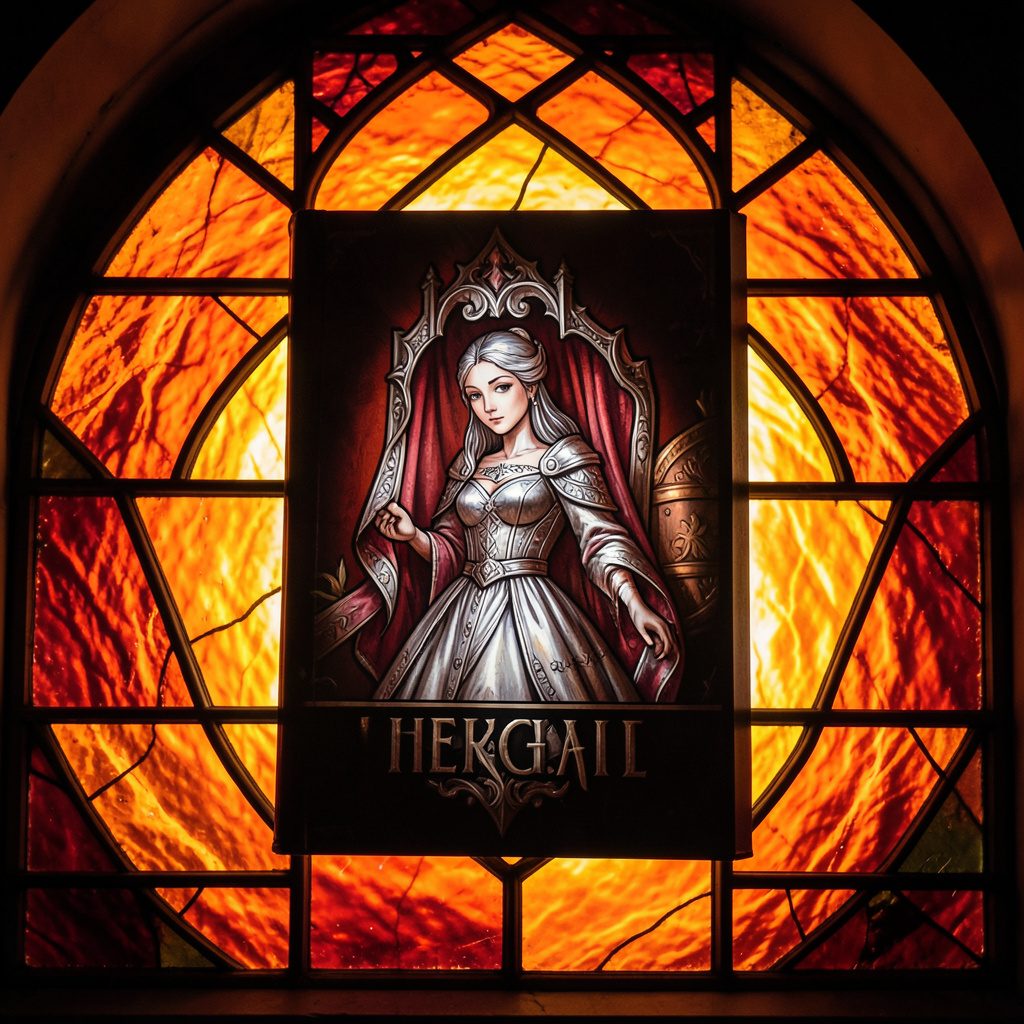
Selected works from across our quarterly issues, gathered into a printed volume. Past print runs have appeared in limited quantities and are available while supplies last.
Volumes cover poetry, short fiction, photography, paintings, drawings, reviews, and interviews — curated to reflect the breadth of artists who have shared their paths in the journal.
Browse Past IssuesInside the Pages
Since 2011, Stone Path Review has hosted contributions from more than twenty artists — poets, photographers, musicians, and filmmakers — along with interviews, readings, and film entries.
Recent volumes have included poetry from Mark Doty and Jim Harrison, an interview with a jazz musician from Minneapolis, MN, and the short film Efflorescence from Deep Field Cinema.
From the Blog
An all-star cast assembled for the fall issue — poetry, short stories, photography, and an interview with a jazz musician from Minneapolis, MN.
Read More →
A featured film entry from Deep Field Cinema, programmed as part of our ongoing screen series.
Read More →
418 Publishing, Inc. was started as the parent company of Stone Path Review, with five issues published by this point.
Read More →
Photography and artist interview, part of an ongoing series highlighting new and established contributors.
Read More →
A recorded poetry reading captured on video and shared alongside the print issue.
Read More →
Browse past quarterly issues of Stone Path Review, available online with limited print quantities.
Read More →