Events
Fall Issue Update
An all-star cast assembled for the fall issue — poetry, short stories, photography, and an interview with a jazz musician from Minneapolis, MN.
Read More →An Artistic Journal · Est. October 2011
A quarterly publication — online and in print — joining poets, photographers, painters, storytellers, and musicians into one open forum for cross-cultural expression.
A piano score is easy to picture as a line of black notes and white bars, yet its deepest drama often lies where the ink refuses to become sound. A sustained chord, a lifted pedal and the measured interval before a return all create different kinds of hush. Heard in a concert hall, a domestic room or a train carriage, the same written pause can change size, warmth and consequence.
Stone Path Review, an artistic quarterly bringing poetry, fiction, essays, reviews, visual art, music and video into a cross-cultural forum, offers a fitting setting for this subject. It joins forms in which silence can mean rest, distance, tension or invitation. The following reflections treat the pause as a compositional material with its own pressure, colour and cultural meaning.
A rest is an instruction rather than a blank. A minim rest occupies measured time; a fermata can stretch that time; breath marks and verbal directions may make it porous or sharply bounded. In contemporary notation, graphic symbols may indicate an environmental sound, a count of one, or silence that should swallow the tail of the previous phrase. The page thus gives the performer both a limit and a role.
Choice begins at the keyboard. Should the damper fall, or should one pedal note survive beneath the stop? Should a release feel cut, breathy or resonant? In a quiet piece, these decisions can matter more than the melody itself, because each silence exposes the mechanical and emotional residue of what came before. A convincing pause carries the history of the sound it interrupts.
At the Sydney Conservatorium of Music, a student might be asked to defend every rest as carefully as a theme. Outside the institution, the ear receives other instructions: air conditioning in a Brisbane studio or cicadas beginning during a Queensland evening rehearsal. Australians may call the resulting room dead quiet, but “quiet” is never simply the absence of noise.
The instrument helps decide how silence behaves. Wooden strings and felt hammers send energy into the soundboard, while dampers control how quickly that energy dies. The piano’s broad body can make a note continue after the key is raised, and room reflections extend the decay further, particularly across hard tiles. A pianist may lean on the sostenuto pedal for one last shimmer, or place a hand on the strings to mute the resonance.
Melbourne’s laneway cafés provide a useful contrast to a purpose-built recital room. A street piano or a small upright near an espresso machine must compete with cups, chatter, scooters and the bass of passing trams. A carpeted suburban lounge in Australia can offer the opposite problem: so much soft furnishing that a single released damper seems to disappear. Acoustics are part of the composition’s geography.
An Italian guide to thermal storage systems offers a useful analogy: warmth can be captured, held and released slowly. A rest likewise stores the energy of the preceding gesture so that the next phrase can arrive with weight rather than noise. The comparison also warns against a false binary. Silence is not an empty vessel; it is a temporary condition shaped by everything the room has been keeping.
Scores and photographs can teach similar habits of looking. On a page, white space gives a phrase room to breathe; in a photograph, an unoccupied edge can make the central subject more charged. Both are negative spaces, but neither is passive. They direct attention, establish scale and create an expectancy that would vanish if every area were equally occupied.
A photographer’s account of finding darkroom light offers a particularly tactile parallel. Light appears gradually under controlled conditions, and the maker must recognise when to expose, when to withhold and when to stop. A composer works with a comparable reveal, allowing a note or a room tone to emerge only after the ear has adjusted. Development and performance meet in that act of patient attention.
The comparison sharpens what can happen in familiar Australian streets. Tram wires crossing a Melbourne sky or a shopfront glowing after closing can hold silence without depicting it literally. These images ask the eye to inhabit the pause, much as an unaccompanied piano bar asks the ear to remain inside the space between attacks.
Quiet carries different cultural weight from place to place. A rest may suggest contemplation in one setting, grief in another, communal attention in a third, or simply the practical need to let a singer breathe. Piano music often absorbs these associations without naming them. The composer’s task is not to label the hush but to make its cause legible enough that listeners can feel why it occurs.
First Nations song practices in Australia make this responsibility especially clear. Māori waiata and Aboriginal Australian song traditions often bind rhythm, story, country, authority and relationships rather than separating them into extractable parts. A pianist working with related material should seek knowledgeable collaborators, credit the source and consider whether the instrument can honour that context. Silence can acknowledge what should not be taken lightly.
An online title can enter a composer’s notebook as a formal prompt. Hot Sauce Drops suggests concentration and timing: a few drops alter a whole flavour, as a restrained note can redirect the momentum of a phrase. Australian speech offers another calibration. When someone says “hang on” or speaks of a “quiet spell”, the words place duration inside ordinary conversation. These expressions can help performers judge a pause as shared time rather than technical absence.
Composing silence demands more than removing notes. It requires rehearsal with people who will inhabit the page differently, plus repeated tests in the room where the work will live. The aim is not sterile emptiness. It is an audible presence that supports the music around it.
Several practical habits can keep that presence clear:
These exercises also expose cultural assumptions. A pause labelled “contemplative” may privilege a particular concert convention, while a more specific direction can invite the performer to reconsider tempo, touch and expectation. The composer remains accountable for the silence they request, even when its final form belongs to the pianist and the room.
Quiet is difficult to sell in a crowded Australian cultural market. Small independent venues, libraries, bookshops, festivals and artist-run spaces often provide the practical route for audiences to encounter experimental work, while digital editions extend its reach beyond major cities. Funding is commonly pieced together from ticket income, memberships, commissions and grants from federal or state arts bodies.
Founded by writers, editors and photographers, Stone Path Review is published online and in print by 418 Publishing, Inc., a nonprofit parent organisation. It accepts submissions without a submission fee and presents itself as an open forum for creators and readers. That structure can give an unusual score, an essay on musical restraint or a sequence of sound photographs the same editorial welcome as a poem or short story.
For contributors, the practical invitation is to make the pause visible in accompanying words and accessible in digital presentation. Captions can identify silence, environmental sound and duration; audio notes can distinguish a released chord from intended silence; page design can keep a composition’s visual breathing space intact. Reviewers can then discuss what the empty measures accomplish, rather than treating them as missing content.
A live performance gives the pause a temporary home. At a small Australian recital or a neighbourhood hall, listeners will bring the sounds of the venue into the score: ventilation, fabric shifting, a cough held until the final bar. Those intrusions need not be enemies. They can reveal that silence is heard collectively.
Stone Path Review’s Stone Path events page offers a starting point for meeting artists in person and for finding screenings, readings, performances and exhibitions beyond the familiar venues. Choose an event that gives you time to listen, arrive early if the space is intimate, and notice what changes when an audience moves from digital anticipation to a shared acoustic present.
Read, hear, attend or contribute a work that makes room for what is not played. Share the score with a pianist; invite a visual artist to respond; support a journal that charges writers no submission fee; and leave a little attention unused at the end. A composition can ask for no words at the very end. Let the page remain open until one becomes unnecessary.
Identity & Recognition
Featured Book
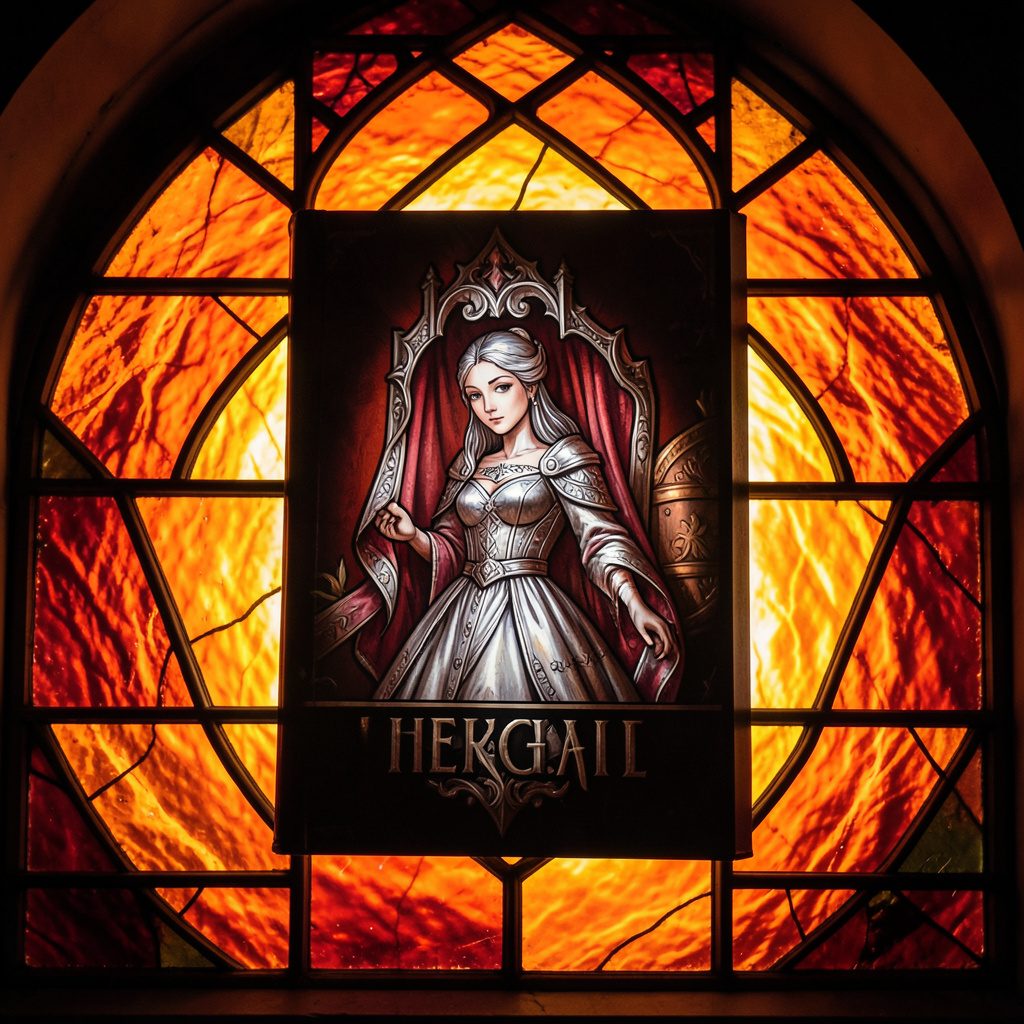
Selected works from across our quarterly issues, gathered into a printed volume. Past print runs have appeared in limited quantities and are available while supplies last.
Volumes cover poetry, short fiction, photography, paintings, drawings, reviews, and interviews — curated to reflect the breadth of artists who have shared their paths in the journal.
Browse Past IssuesInside the Pages
Since 2011, Stone Path Review has hosted contributions from more than twenty artists — poets, photographers, musicians, and filmmakers — along with interviews, readings, and film entries.
Recent volumes have included poetry from Mark Doty and Jim Harrison, an interview with a jazz musician from Minneapolis, MN, and the short film Efflorescence from Deep Field Cinema.
From the Blog
An all-star cast assembled for the fall issue — poetry, short stories, photography, and an interview with a jazz musician from Minneapolis, MN.
Read More →
A featured film entry from Deep Field Cinema, programmed as part of our ongoing screen series.
Read More →
418 Publishing, Inc. was started as the parent company of Stone Path Review, with five issues published by this point.
Read More →
Photography and artist interview, part of an ongoing series highlighting new and established contributors.
Read More →
A recorded poetry reading captured on video and shared alongside the print issue.
Read More →
Browse past quarterly issues of Stone Path Review, available online with limited print quantities.
Read More →