Events
Fall Issue Update
An all-star cast assembled for the fall issue — poetry, short stories, photography, and an interview with a jazz musician from Minneapolis, MN.
Read More →An Artistic Journal · Est. October 2011
A quarterly publication — online and in print — joining poets, photographers, painters, storytellers, and musicians into one open forum for cross-cultural expression.
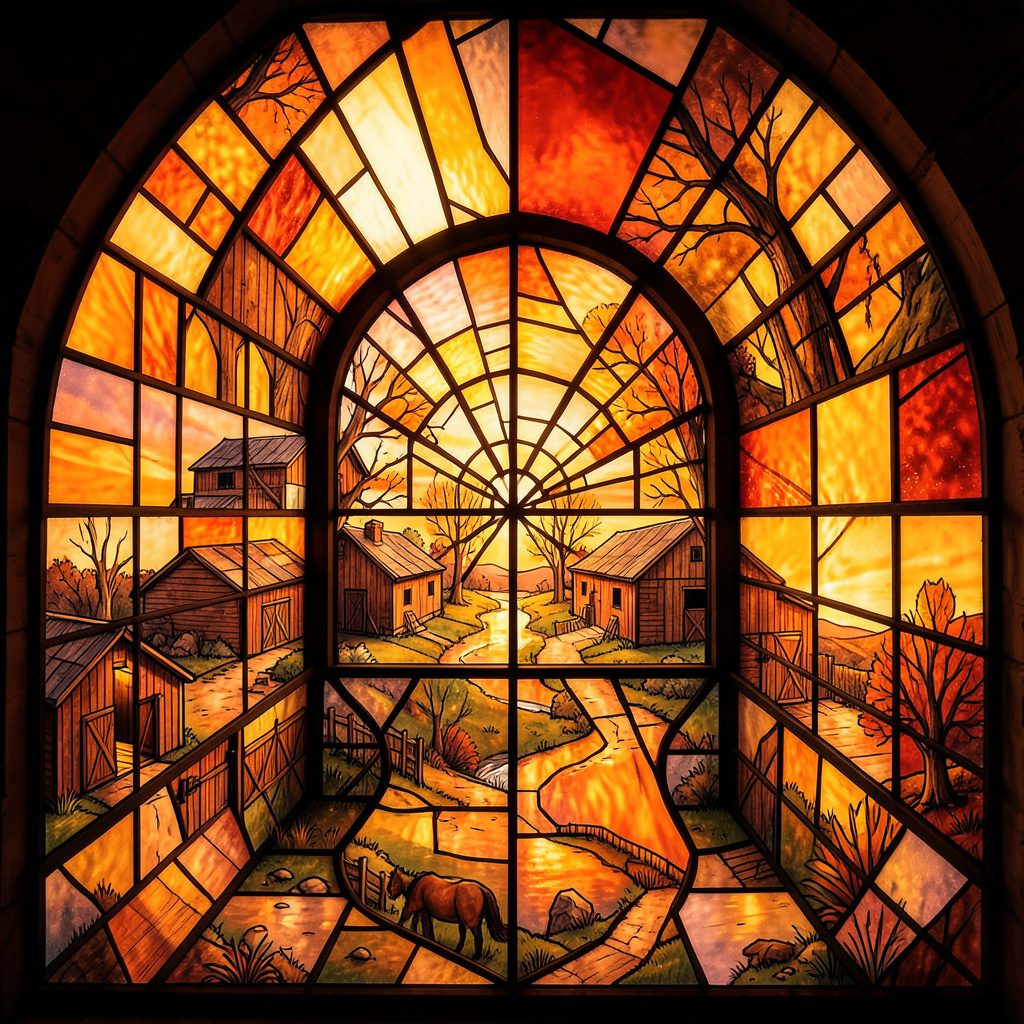
The showdown between acrylic and oil in modern practice is often staged as a contest between convenience and depth. That framing is useful in a shop, where acrylic promises quick drying and oil promises blended colour, but it collapses two distinct ways of making. Each medium carries its own pace, vocabulary and physical record.
Modern painters rarely remain loyal to one material. A studio session may begin with an acrylic sketch, continue with an oil study and end with a mixed-media panel combining both. The useful decision is not which paint is universally superior, but which behaviour supports the image, the schedule and the conditions surrounding the work.
Australian conditions make that decision especially practical. Melbourne’s sudden weather shifts, Brisbane’s humidity, Sydney’s competitive gallery market and the popularity of casual painting at home all influence material choices. Safe Work Australia guidance and state and territory work health and safety laws also make solvent handling, ventilation and rag disposal practical parts of maintaining a studio.
Oil paint is pigment dispersed in a drying oil, usually linseed, safflower or a related medium. Acrylic uses the same broad range of pigments, but binds them in a water-based polymer emulsion. This chemical difference explains much of their behaviour: oil supports gradual blending and translucent glazing, while acrylic dries rapidly and forms a flexible plastic film.
The age of the rivalry can also distort it. Oil has centuries of workshop precedent, whereas acrylic entered commercial use in the twentieth century and has since become central to education, illustration and informal painting. That history gives oil cultural authority, but it does not make acrylic inherently immature. A well-prepared acrylic surface can carry a sustained, sophisticated image, while an oil painting can be hurried and generic.
A sound comparison considers drying time, working rhythm, preferred scale, available ventilation, surface preparation, budget and the intended audience. It also asks how the finished work will be stored, transported and exhibited. Those practical pressures often decide the medium before aesthetic preference enters the room.
Oil paint gives the hand time. A painter can move pigment across the support, soften an edge, scrape back a passage or glaze one colour over another. Slow drying supports wet-in-wet blending and long revisions, making oil effective for flesh, atmosphere, reflected light and deep spatial effects. The same speed can be a liability when an image needs to move from sketch to installation before a deadline.
Layering gives oil its particular depth. Thin transparent films can build luminous shadows, while thicker passages of impasto catch physical light. The material records the route of the brush because each stroke settles at its own rate. This responsiveness rewards patience, although it also means that a large work occupies studio space and may need months before it is ready for framing or varnishing.
Oil’s chemistry demands careful management. Solvents are needed to thin some colours and clean brushes, while oily rags can retain enough heat to ignite spontaneously. Safe Work Australia guidance calls for rags to be placed in a tightly fitting metal container, and studios must follow the applicable state or territory work health and safety laws for ventilation, chemical storage and hazardous waste. The celebrated depth of oil therefore comes with procedures that acrylic studios may not need to follow.
Acrylic collapses much of the waiting built into oil painting. Thin passages can dry within minutes, allowing a rapid sequence of corrections, while water or acrylic medium can restore workable flow. This makes the medium well suited to illustration, urban sketching, community classes and the Australian habit of painting in short sessions after work or during school holidays.
Speed changes the mark as well as the schedule. Acrylic can produce flat opaque colour, dry-brushed texture, fine lines or passages that resemble chalk and ink. Because a dry film no longer blends easily with fresh paint, transitions must often be planned rather than improvised. Water is convenient for cleaning, although thick applications can remain soft for longer, and some acrylic mediums contain solvents despite the water-based name.
Digital viewing conditions sharpen this contrast. The instant recognition sought by images such as those collected under online casino winners depends on bright contrast, clean blocks and quick visual cues, qualities acrylic can deliver with little delay. That speed of impact, however, should not be mistaken for the sustained attention that a layered oil surface can hold.
Melbourne’s inner-north warehouse studios often present a sequence of environmental changes. A clear morning may become cold rain, portable heaters may raise dust and a north-facing skylight can expose acrylic skins to direct heat. Oil paint can become stiff in a cool room, while acrylic may dry too quickly for broad blending near a heater. Flexible scheduling and adjustable studio temperatures matter because climate affects the material as directly as technique does.
Brisbane’s humidity creates another set of conditions. Oil can form a skin when moisture and warmth slow drying, and thick acrylic applications may cure unevenly when the air is already saturated. Dehumidifiers, ventilation and absorbent storage surfaces become routine parts of some studios. In Adelaide, where summer heat can arrive with little warning, artists often work around air conditioners that cool a room and then reheat it, each shift affecting how quickly paint levels, skins or settles.
These practical pressures do not dictate style, but they can influence mark-making and planning. A painter who knows that a session will last only two hours may favour acrylic’s rapid corrections. Another may use oil’s slow response to develop softer transitions. The most effective studios treat temperature, humidity and storage as materials in their own right, recorded and adjusted rather than left to chance.
Australian painters buy supplies from specialist shops, independent art stores, online warehouses and stalls at weekend markets. Acrylic generally has the strongest shelf presence because it suits school, hobby and studio use, while oil imports may carry higher freight costs and exchange-rate changes. Pigment quality, bottle size and mediums can shift the final cost of a large work, so comparing price per usable colour gives a clearer picture than checking a single tube.
Material access affects more than the initial purchase. Oil requires suitable primers, brushes, palettes, solvent containers, storage racks and sometimes a dedicated mixing area. Acrylic equipment is lighter and easier to transport, but artists still need reliable water, drying space and compatible varnishes. Shared studios can spread these costs, provided their ventilation and hazardous-waste arrangements are clear.
Exhibitions and talks make practical knowledge visible. Current listings on the Stone Path events page can help artists find openings, workshops and conversations where working methods are examined in public. Hearing how a painter prepares a support, manages drying time or protects a finished surface often teaches more than a finished image viewed without context.
Screen comparisons can distort expectations. Transparent oil glazes may look pale on a bright monitor yet glow under gallery lighting, while dense acrylic can photograph as darker than it appears in the studio. Specular highlights also change according to varnish, viewing angle and the colour temperature of nearby walls. A physical test placed beside the intended display conditions is more reliable than a photograph of a swatch.
Neither medium should be reduced to a list of effects. Oil can behave like ink or ceramic glaze, and acrylic can imitate the body of a poured surface or the broken colour of dry brush. Pigment load, medium, water, support and application method all participate. Acrylics often provide precise opacity, while oil’s slow drying permits corrections that soften edges and reveal buried colour.
Hybrid practice makes the comparison more interesting than a fixed victory. Stone Path Review’s account of embroidery as narrative art offers a revealing parallel because thread and wet paint both record sequence, pressure and gesture. Acrylic can seal woven fibre into a painted surface; oil can be brushed across stitched areas before the nap is fully established. In such work, drying behaviour becomes part of the image’s construction.
A useful test begins with purpose rather than preference. Paint the same subject on equal-sized, similarly primed supports, using one acrylic study and one oil study. Include a flat passage, a blended transition, a translucent layer and a textured mark. Record how each material handles the first application, whether colours shift as they dry and how both surfaces respond after one day, one week and one month.
Cost and conditions belong in the test as well. Time the studio sessions, note solvent or water requirements and compare how each painting travels in a protective crate or flat portfolio. A practical choice may be acrylic for a busy communal room, oil for a quiet home studio, or a deliberate combination when a single material cannot carry both the structure and the final surface.
Make the comparison on your next canvas, document the differences and invite informed critique at an open studio or class. Submit the strongest painted panels and process notes to Stone Path Review, where the evidence of both methods can become part of a wider artistic conversation. The next project deserves a method chosen through observation rather than habit.
Identity & Recognition
Featured Book
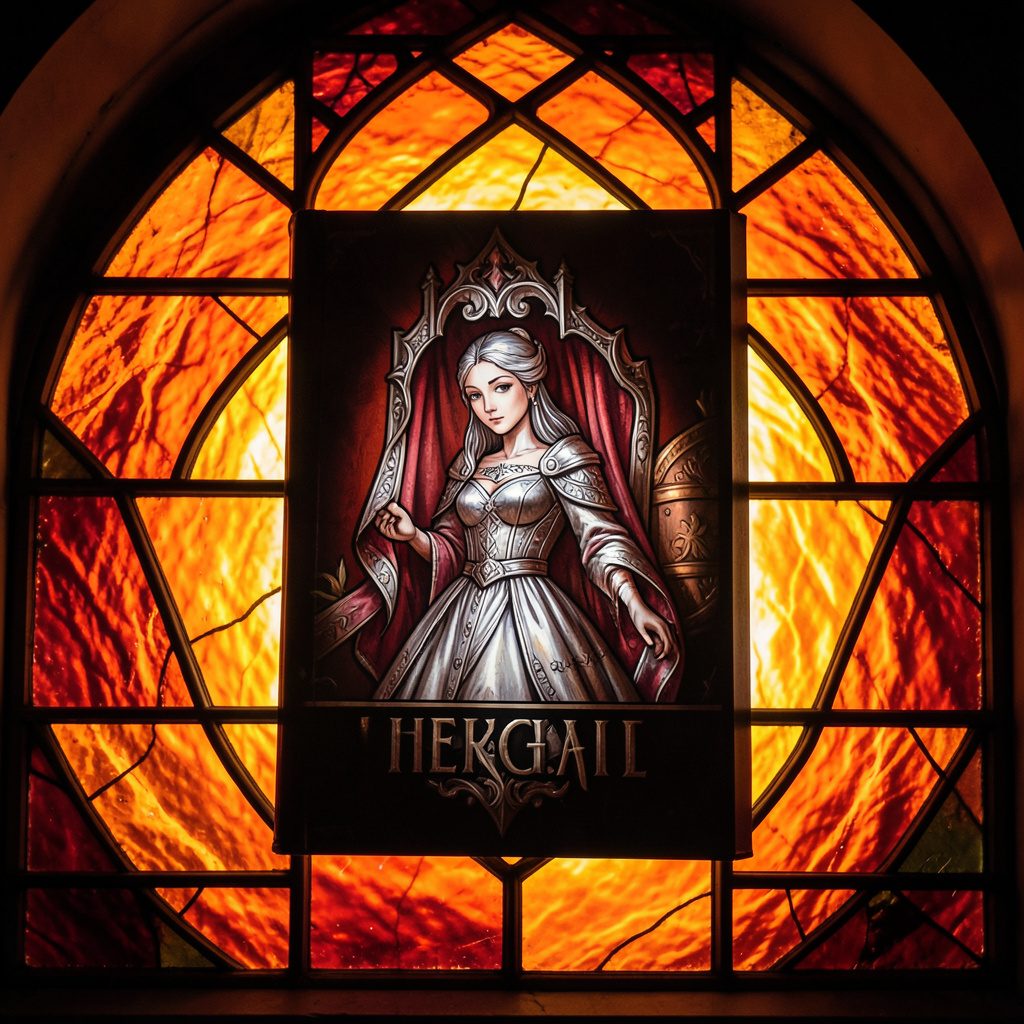
Selected works from across our quarterly issues, gathered into a printed volume. Past print runs have appeared in limited quantities and are available while supplies last.
Volumes cover poetry, short fiction, photography, paintings, drawings, reviews, and interviews — curated to reflect the breadth of artists who have shared their paths in the journal.
Browse Past IssuesInside the Pages
Since 2011, Stone Path Review has hosted contributions from more than twenty artists — poets, photographers, musicians, and filmmakers — along with interviews, readings, and film entries.
Recent volumes have included poetry from Mark Doty and Jim Harrison, an interview with a jazz musician from Minneapolis, MN, and the short film Efflorescence from Deep Field Cinema.

From the Blog
An all-star cast assembled for the fall issue — poetry, short stories, photography, and an interview with a jazz musician from Minneapolis, MN.
Read More →
A featured film entry from Deep Field Cinema, programmed as part of our ongoing screen series.
Read More →
418 Publishing, Inc. was started as the parent company of Stone Path Review, with five issues published by this point.
Read More →
Photography and artist interview, part of an ongoing series highlighting new and established contributors.
Read More →
A recorded poetry reading captured on video and shared alongside the print issue.
Read More →
Browse past quarterly issues of Stone Path Review, available online with limited print quantities.
Read More →