Events
Fall Issue Update
An all-star cast assembled for the fall issue — poetry, short stories, photography, and an interview with a jazz musician from Minneapolis, MN.
Read More →An Artistic Journal · Est. October 2011
A quarterly publication — online and in print — joining poets, photographers, painters, storytellers, and musicians into one open forum for cross-cultural expression.
A collection rarely becomes meaningful through accumulation alone. Whether it consists of paintings, photographs, manuscripts, recordings or digital works, its character emerges through the relationships between individual pieces. A curator helps create those relationships, giving a group of objects direction, rhythm and a sense of purpose.
The curator’s work may begin with research, conversation and close looking long before an exhibition opens or a publication is assembled. It involves selecting works, identifying connections, testing interpretations and deciding what the audience should encounter first. The result is a form of cultural authorship that remains accountable to the artists whose work provides the collection’s substance.
This responsibility is especially visible in an open artistic environment such as Stone Path Review, where poetry, fiction, essays, visual art, photography, music and video can sit beside one another. A curator, editor or commissioning team must consider how different forms speak across their boundaries without forcing them into a single meaning.
For Australian audiences, these questions carry additional weight. The country’s cultural landscape stretches from major institutions in Sydney and Melbourne to artist-run spaces, regional galleries, community festivals and independent publishers across vast distances. Curating can connect those worlds while respecting their distinct histories, audiences and ways of making.
Every collection begins with choices, and every choice communicates a value. A curator might prioritise formal innovation, historical significance, emerging voices, material experimentation or a shared social concern. Even a collection that appears broad and inclusive has an underlying argument about what deserves attention and how works should be understood together.
Selection is therefore different from simple preference. It requires the curator to examine provenance, context, condition, scale and the likely experience of the audience. A small photograph may carry greater interpretive force beside a long poem than beside another photograph. A quiet short story might alter the pace of a room filled with visually demanding paintings.
The strongest curatorial decisions leave space for uncertainty. Rather than explaining every connection, a thoughtful selection can invite the audience to make discoveries. This is especially valuable in multidisciplinary collections, where a reader may approach a video through the concerns of a poet, or encounter a drawing with the attentiveness usually given to an essay.
Curators also need to recognise absence. What is missing from a collection may reveal its institutional habits, budget limitations or inherited assumptions. Addressing those gaps requires more than adding a token work. It calls for sustained relationships with artists and communities, along with a willingness to revise the collection’s original frame.
A collection gains coherence through arrangement. In a gallery, this may involve sightlines, wall spacing, lighting and the sequence of rooms. In a journal or digital archive, it may involve page order, navigation, image scale, audio transitions and the editorial movement from one contribution to the next. These decisions shape the emotional and intellectual journey of the audience.
Curators often work with ideas such as contrast, repetition, interruption and resonance. Two works may share a colour or motif while expressing very different cultural positions. A series may become more complex when interrupted by a single unfamiliar voice. A group of artworks about place may gain depth when paired with a work concerned with memory, migration or displacement.
Digital collections create additional possibilities. Online presentation can bring together creators separated by geography, and it can allow sound, moving image and interactive work to exist alongside more traditional forms. Yet digital abundance can also flatten distinctions. A curator must consider loading times, screen fatigue, accessibility, mobile viewing and the risk that works become thumbnail-sized evidence rather than experiences.
The About Stone Path Review page reflects the kind of broad artistic ecology in which these editorial choices matter. When a publication welcomes several creative disciplines, curation becomes an act of pacing: deciding when the audience should pause, shift perspective or move from an intimate work towards a larger cultural question.
Curatorial authority should never be confused with ownership of an artist’s meaning. A curator provides a framework, but artists retain the right to complexity, contradiction and change. Wall texts, catalogue essays and online descriptions should offer useful context without reducing a work to biography, identity or a single political message.
This principle is particularly important when collections include First Nations art and materials. In Australia, curatorial practice must acknowledge the sovereignty, cultural protocols and continuing custodianship of Aboriginal and Torres Strait Islander peoples. Consultation should be meaningful, properly resourced and built into the project from its earliest stages, rather than added shortly before public presentation.
Ethics also extend to the conditions under which work is collected. A curator may need to investigate ownership histories, permissions, reproduction rights, conservation needs and the circumstances of an artwork’s acquisition. For photography and documentary practice, questions of consent and representation can be as important as visual quality.
Interpretation should also avoid turning difficult histories into aesthetic decoration. A collection dealing with war, climate change, colonisation or displacement needs care in its language and display. The curator’s task is to create access without manufacturing comfort, and to provide context without telling audiences what they are permitted to feel.
Australia’s art market operates across a mixture of commercial galleries, public institutions, university collections, artist-run initiatives, fairs and online platforms. Sydney and Melbourne remain major centres, while Brisbane, Adelaide, Perth, Hobart and Darwin have distinct creative communities and collecting cultures. Regional galleries and arts organisations often play an equally important role in developing artists whose work may not suit commercial expectations.
Practical constraints shape curatorial ambition. Freight between Australian cities can be expensive, insurance can be difficult for fragile or time-based work, and public budgets rarely stretch as far as the concept requires. A curator may need to design a compelling exhibition around loan periods, conservation limits, GST, the Australian dollar and the availability of specialist installers.
The local market also rewards relationships built over time. Collectors may encounter artists through studio visits, small galleries, art fairs, public programmes or independent publications before committing to a purchase. A curator can help audiences understand why a work matters without turning cultural value into a sales pitch. Clear provenance, transparent fees and fair artist payments strengthen trust across the entire ecosystem.
Australian curating also involves negotiating distance. A creator in regional Western Australia or northern Queensland may have limited access to metropolitan networks, while a local audience may have priorities that differ from those of a city institution. Online exhibitions and publishing can help bridge that gap, though they should not be treated as substitutes for local infrastructure or sustained investment.
A successful collection remains open to reinterpretation. New research may change the significance of an older work; an artist’s later practice may unsettle an earlier classification; audiences may identify connections that the original curator did not anticipate. Good stewardship allows these changes to become part of the collection’s life rather than treating the initial arrangement as permanent.
This is where curating overlaps with publishing and public discussion. A review, interview, playlist, reading or behind-the-scenes note can reveal how a collection was formed while offering audiences several ways to enter it. A visual artist’s online portfolio may encourage a curator to look beyond a familiar medium and consider how process, place and material travel between projects.
The curator must also remain alert to the ways popular culture influences attention. A collection may sit beside commercial imagery, entertainment platforms and rapidly changing digital habits. Even an article examining video slot play can prompt questions about interface design, repetition, colour, chance and the visual strategies used to hold an audience’s gaze. Such references need thoughtful framing, but they demonstrate that curatorial thinking can move between high art, everyday media and social experience.
The following principles can help curators shape collections that are rigorous, generous and responsive:
The curator’s role is ultimately relational. It connects artists with audiences, individual works with wider histories, and local practice with international conversations. A collection becomes stronger when those connections are visible but not overdetermined, allowing each work to retain its particular voice.
For readers, artists and collectors, independent platforms offer an important place to encounter this process outside conventional institutional walls. Exploring Stone Path Review’s journal can lead from a poem to a photograph, from a review to a video, or from an unfamiliar artist to a new understanding of how collections are made.
Artists can contribute to this living exchange by preparing thoughtful submissions, documenting their work clearly and engaging with the contexts in which it is shown. Readers can support the ecology by attending exhibitions, buying from artists where possible, sharing considered criticism and making room for unfamiliar forms. Every attentive encounter helps a collection continue its work: gathering difference, creating meaning and keeping cultural conversation in motion.
Yanila Vigne offers another reminder that an artist’s individual practice can become part of wider conversations about image, place and contemporary life. Curators who approach such practices with patience and care help ensure that collections remain more than displays of objects. They become active spaces where memory, imagination and public attention meet.
Identity & Recognition
Featured Book
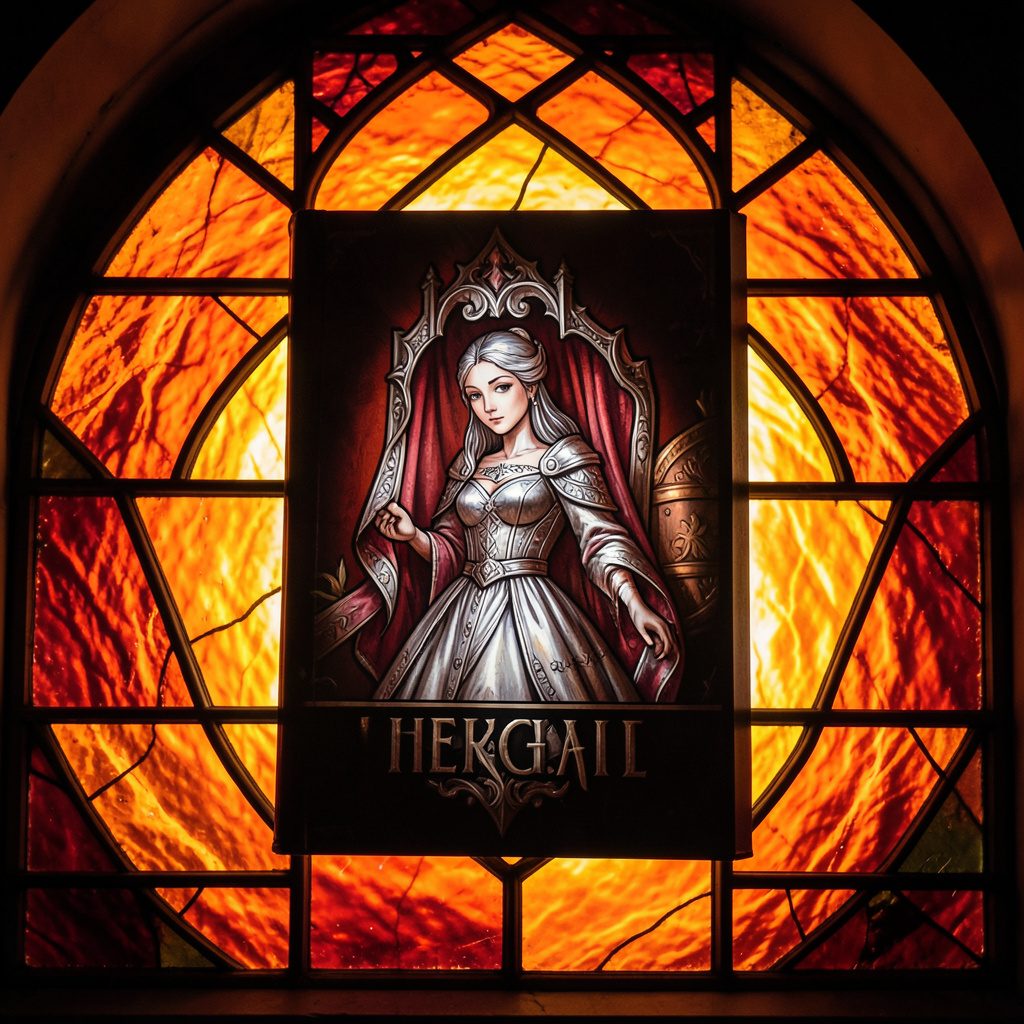
Selected works from across our quarterly issues, gathered into a printed volume. Past print runs have appeared in limited quantities and are available while supplies last.
Volumes cover poetry, short fiction, photography, paintings, drawings, reviews, and interviews — curated to reflect the breadth of artists who have shared their paths in the journal.
Browse Past IssuesInside the Pages
Since 2011, Stone Path Review has hosted contributions from more than twenty artists — poets, photographers, musicians, and filmmakers — along with interviews, readings, and film entries.
Recent volumes have included poetry from Mark Doty and Jim Harrison, an interview with a jazz musician from Minneapolis, MN, and the short film Efflorescence from Deep Field Cinema.
From the Blog
An all-star cast assembled for the fall issue — poetry, short stories, photography, and an interview with a jazz musician from Minneapolis, MN.
Read More →
A featured film entry from Deep Field Cinema, programmed as part of our ongoing screen series.
Read More →
418 Publishing, Inc. was started as the parent company of Stone Path Review, with five issues published by this point.
Read More →
Photography and artist interview, part of an ongoing series highlighting new and established contributors.
Read More →
A recorded poetry reading captured on video and shared alongside the print issue.
Read More →
Browse past quarterly issues of Stone Path Review, available online with limited print quantities.
Read More →