Events
Fall Issue Update
An all-star cast assembled for the fall issue — poetry, short stories, photography, and an interview with a jazz musician from Minneapolis, MN.
Read More →An Artistic Journal · Est. October 2011
A quarterly publication — online and in print — joining poets, photographers, painters, storytellers, and musicians into one open forum for cross-cultural expression.
After the last ticket is scanned and the daytime crowd dissolves into Sydney’s harbour lights, a museum can feel like a different institution. Familiar silence becomes operational silence: doors lock, floors are vacuumed, and sensors resume their patient dialogue with the building. Rooms that held hundreds of visitors may now contain one conservator, one security officer, and the soft trolley wheels of a re-hanging team. Learn more about La Critique D Art à L ère Des Réseaux Sociaux Entre Expertise Et Influence.
Yet the museum’s secret life is not confined to back-of-house work. Curators rehearse talks in empty galleries, educators test family trails, photographers wait for controlled access, and installation crews turn bare walls into temporary arguments about light, scale, and memory. Public night programmes reveal only a sliver of this world. Their value lies in showing how an exhibition is made, protected, interpreted, and sometimes allowed to become itself.
At closing time, the building changes hands. Day staff lock offices and transfer responsibility to a night manager, whose decisions can determine whether a cracked frame waits for morning or enters the conservation queue at once. Temperature readings, humidity alarms, leak sensors and camera feeds become a live score. Public areas may look still, but the museum is engaged in detailed maintenance that daylight crowds never see.
Night work also depends on a particular kind of attention. A guard notices a door that fails to settle; a cleaner spots dust beneath a plinth; a technician hears an air-conditioning unit change pitch. These observations become useful evidence. Cultural workers are trained to distinguish an ordinary shift from a change that threatens objects, and their quiet vigilance protects the visible collection as much as the building around it.
Controlled access has transformed this private rhythm into public experience. Evening tours, performance evenings, conservation viewings and photography sessions let visitors enter under supervision without pretending that ordinary rules have vanished. The best events make backstage activity understandable rather than glamorous, showing that care is painstaking, collaborative and often invisible.
Museum storerooms are not simply rooms filled with things. Their shelves follow climate, material and access needs, while object numbers act as addresses for objects whose appearances can mislead. A painting awaiting examination may hang on a padded rack; textiles may rest in the dark to limit light exposure; vulnerable works can be moved if vibration or a sudden leak demands it. At night, this intricate system becomes easier to understand because movement is deliberate and every trolley journey has a paper trail.
An artist’s reflection on breaking ceramic vessels offers a useful parallel for thinking about damage and meaning. A shattered pot can conceal fingerprints, tool marks and decisions made before the kiln. Museum conservators do not destroy an object to reveal these traces, yet their careful repairs can leave enough visible history to keep the material truth of a work rather than disguise it completely.
The storeroom also exposes the tension between preservation and display. Rotating a vulnerable painting protects it but changes the story visitors encounter; keeping a new commission on view may give it cultural energy while placing pressure on its materials. Installation teams negotiate these choices with curators, conservators, engineers and artists. Their after-hours work shows that an exhibition is never finished at opening.
With fewer bodies in the room, attention shifts from people to atmosphere. Footsteps travel farther, the spacing between artworks becomes more noticeable, and changes in wall colour can seem to alter in artificial light. Darkness does not reveal a hidden master plan, but it can unsettle habitual viewing habits and make surfaces, sounds and silences newly acute.
| Night format | What you may experience | Best suited to | Important limitation |
|---|---|---|---|
| Evening curator talk | A focused explanation with one or two works | First-time visitors and students | Spots may be limited and access brief |
| Conservation viewing | Treatment decisions shown at close range | Art students, artists and researchers | Handling and photography are strictly controlled |
| Photography session | Empty-room images under supervised lighting | Photographers and visual artists | Tripods, flash and entry routes may be restricted |
| Artist installation | A work taking shape before opening | Visitors interested in process | Work areas and noisy tools create uneven access |
Each format answers a different appetite. Talks prioritise interpretation, conservation viewings prioritise material evidence, photography privileges composition, and installations reveal labour and contingency. Evening does not flatten these distinctions; it gives each encounter a more concentrated setting.
Low light also changes the ethics of looking. A photograph can clarify a shadow or conceal a surface, while a long exposure makes a crowded gallery appear strangely vacant. Museums should state when repositioning or lighting is required for an image, and photographers should avoid turning vulnerable objects into spectacle. The camera records an intervention, not neutral truth.
Australian cities make the after-hours museum feel particularly vivid. In Sydney, harbour light and traffic can colour the approach to the precinct around the Australian Museum and Circular Quay. During a timed evening event, the city remains audible beyond the walls, while inside the building the suspension of ordinary opening hours creates a temporary island of attention.
Melbourne offers a different urban soundtrack: trams rattling through streets, music leaking from laneway venues and late diners crossing between galleries. A night programme can use those layers as context for work about place, while still protecting the quiet needed for looking. Canberra provides yet another rhythm, with crisp winter darkness around the National Gallery of Australia and long shadows across its lake-side setting.
Brisbane’s subtropical humidity also shapes after-hours care and expectation, making climate control part of every event rather than an abstract technical concern. Around Christmas, Australian institutions may adapt nocturnal programming for families. A practical guide to free holiday clip art can support a card-making session, while Christmas-in-July activities acknowledge the country’s unusual seasonal calendar. Gallery shops and weekend craft markets extend that local artistic economy beyond the museum door.
A nocturnal image travels differently from a daytime one. Empty galleries invite projection, mystery and quiet disruption, while social platforms reward dramatic atmosphere over curatorial detail. Captions can widen access by explaining what the frame contains, yet they can also harden a complex exhibition into a single mood. Museums and photographers share a responsibility to preserve that complexity.
A French discussion of social media criticism examines the uneasy boundary between expertise and influence in networked art culture. It is relevant to after-hours events because the visitor’s selfie may reach a larger audience than the conservator’s careful explanation. Authority then circulates through images, reposts and commentary, with credentials sometimes visible and sometimes absent.
Good practice begins with context: identify the work, name the artist, give the institution and exhibition dates, and separate documentation from authorised campaign material. Rights and cultural protocols matter just as much. A caption should invite curiosity without assuming that visual impact is permission to ignore meaning, provenance or community expectations.
Night access is usually limited, curated and different from an ordinary visit. Before attending, check whether the programme is a tour, workshop, performance or working session. Wear comfortable shoes, keep bags small, arrive on time, and follow photography instructions. Questions are welcome when staff invite dialogue, but the event itself may depend on silence and concentration.
These habits protect both artworks and the shared experience:
A museum at night rewards slower attention. The reduced crowd allows details to gather force, while the visible labour behind display complicates the idea that art appears by magic. The experience becomes less about seeing forbidden rooms and more about recognising a living system of stewardship.
For readers and artists who want to extend that attention beyond a single event, Stone Path Review offers poetry, fiction, essays, visual art, music and moving-image work from an international community. Its open quarterly forum suits the spirit of the nocturnal museum: many voices, careful looking, and room for work that unsettles easy categories.
Choose a public evening programme, read the curatorial material before you go, and take time with one work rather than rushing for the most Instagrammable view. Then carry that attentiveness outward by visiting a gallery, supporting a maker, or sharing a responsible account of what you saw.
Identity & Recognition
Featured Book
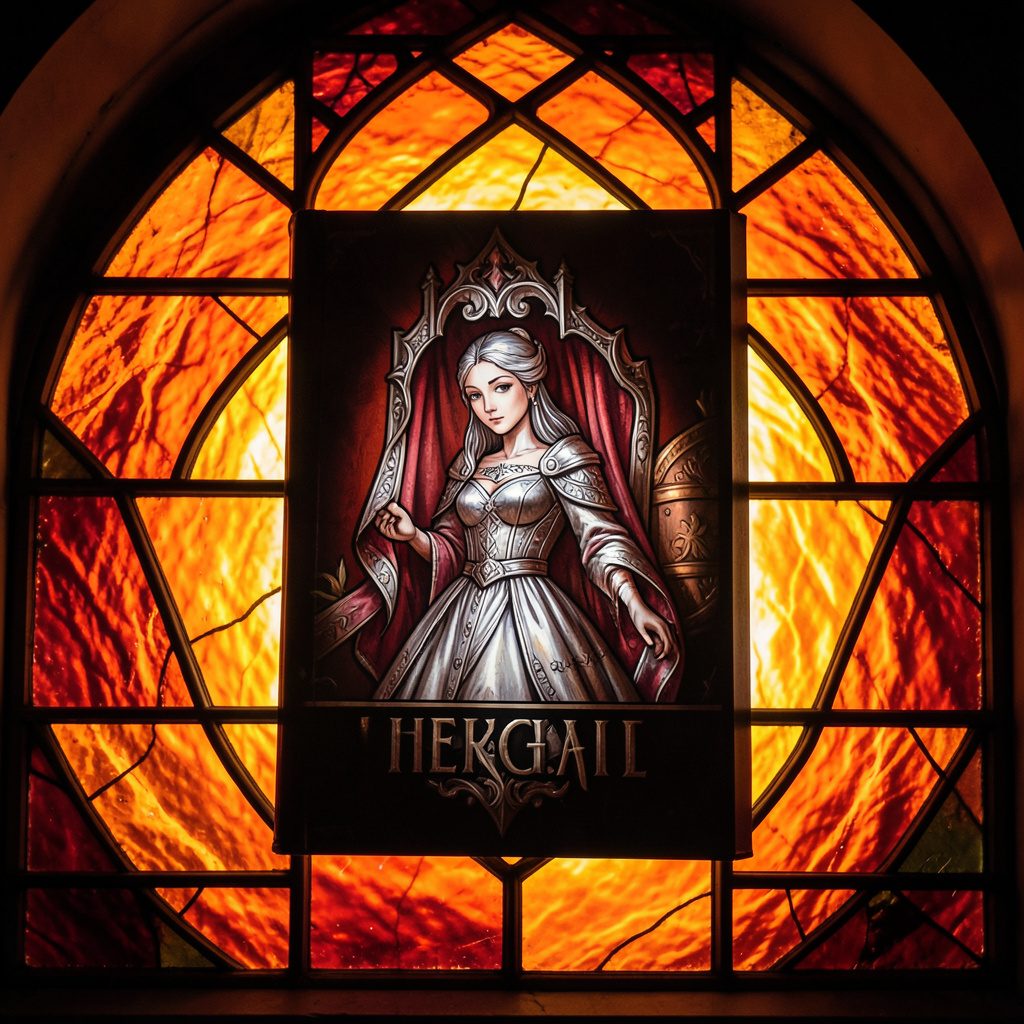
Selected works from across our quarterly issues, gathered into a printed volume. Past print runs have appeared in limited quantities and are available while supplies last.
Volumes cover poetry, short fiction, photography, paintings, drawings, reviews, and interviews — curated to reflect the breadth of artists who have shared their paths in the journal.
Browse Past IssuesInside the Pages
Since 2011, Stone Path Review has hosted contributions from more than twenty artists — poets, photographers, musicians, and filmmakers — along with interviews, readings, and film entries.
Recent volumes have included poetry from Mark Doty and Jim Harrison, an interview with a jazz musician from Minneapolis, MN, and the short film Efflorescence from Deep Field Cinema.
From the Blog
An all-star cast assembled for the fall issue — poetry, short stories, photography, and an interview with a jazz musician from Minneapolis, MN.
Read More →
A featured film entry from Deep Field Cinema, programmed as part of our ongoing screen series.
Read More →
418 Publishing, Inc. was started as the parent company of Stone Path Review, with five issues published by this point.
Read More →
Photography and artist interview, part of an ongoing series highlighting new and established contributors.
Read More →
A recorded poetry reading captured on video and shared alongside the print issue.
Read More →
Browse past quarterly issues of Stone Path Review, available online with limited print quantities.
Read More →