Events
Fall Issue Update
An all-star cast assembled for the fall issue — poetry, short stories, photography, and an interview with a jazz musician from Minneapolis, MN.
Read More →An Artistic Journal · Est. October 2011
A quarterly publication — online and in print — joining poets, photographers, painters, storytellers, and musicians into one open forum for cross-cultural expression.
The lyric essay is a room with two doors. One opens onto inquiry, evidence and public argument; the other onto cadence, sensation and image. A writer may enter through a remembered meal, turn through a field note and arrive at a question about labour, memory or place. The form lets a small experience generate wider conversation while retaining the grain of the life that produced it.
That flexibility suits Stone Path Review, an artistic quarterly where poems, stories, essays, reviews, photography, painting, drawing, music and video meet. Founded by writers, editors and photographers, the journal is an open forum for cross-cultural artistic expression. Its parent, 418 Publishing, Inc., is a nonprofit organisation. The journal accepts submissions without reading or submission fees. The lyric essay belongs in that catalogue because it brings personal and collective experience into one frame without flattening either.
We live among unstable boundaries: analogue and digital, private and public, local and global, inherited history and imminent change. These conditions are often called hybrid times, but names can become too tidy. A Sydney commuter crosses harbour water before work; a Melbourne tram passes laneway cafés; a Brisbane backyard gathering might move from children’s cartoons to an argument about drought. Each scene holds several tempos, and form can register them more closely than a conventional article.
The lyric essay offers a practical ethics for such conditions. Its movement can acknowledge contradiction without making it decorative. Its evidence can interrupt sentiment without pretending facts are emotionally neutral. Its images can open a route into culture without presenting the writer as final authority. For Australian readers, this matters amid climate pressure, migration, contested histories and busy digital calendars. Familiar essay tools become useful when reshaped into a braid: research beside rumination, precision beside music, archive beside street.
The distinction matters because the lyric essay is neither an essay with lyrical sentences nor a poem stretched to essay length. Argument in the lyric form grows through association. A factual passage may be followed by an image that reveals what the data cannot state. Transitions carry intellectual work, inviting the reader to notice a relationship rather than register a topic.
A passage might begin with heat on the pavement and a bottle beneath a café table. It may widen into public space, then return to condensation on the glass. Heat establishes material conditions; discussion supplies pressure; return restores ambiguity. Handled with discipline, lyric and argument sharpen each other. The scene asks a question, research complicates it, and the final image refuses an easy answer.
A usable test is whether the form remains alert to other ways of knowing. Many Aboriginal and Torres Strait Islander creative practices draw on relationships to Country, ancestors, story and image that cannot be reduced to a borrowed template. A lyric essay can listen without claiming equivalence. It can bring disability testimony, migration histories and labour into conversation. The braid becomes ethically accountable when formal experiment preserves difference.
Attention is often framed as a resource to optimise, but artists know it as a relationship with time. A crowded feed can make concentration feel like failure. When a draft stalls, a creative block playlist offers a gentler route than self-criticism: sound, breath and changed sensory scale can loosen the knot. It is hospitality toward the person doing the work, replacing punishment with curiosity.
Care changes what a reading session must produce. A train from Sydney’s central station, a walk beside Brisbane’s river or ten minutes with a record player can become compositional material. The goal need not be a masterpiece. One clear sentence or useful contradiction may restore momentum. Australian routines reward this scale: a notebook beside the kettle, a book carried to the beach, words tested aloud while cooking dinner.
Attention cannot be detached from attention owed to people and sources. Pause before translating. Credit the photographer, musician or oral historian whose work enters the text. Distinguish memory from testimony and observation from research. These acts build trust and prevent intimacy from becoming misleading authority. The form works best when the material, reader and wider public remain visible in the maker’s decisions.
A lyric essay rarely arrives in a straight line. It may begin as a voice memo, pass through a bibliography, stall and emerge after a walk. Revision is composition, not cleanup. Let several orders coexist and test where they touch: scene beside source, sound beside claim, memory beside public history. The braid becomes structural, not a sequence of decorative cuts.
Useful draft movements include:
The order can change between drafts. One passage may begin as testimony, another as evidence, while a third carries the transition. Acknowledge borrowed structures, and never detach cultural forms from their communities.
Revision can be checked through the following prompts:
Revision in this form is ethical rehearsal. It asks whether facts have been handled carefully, whether the speaker has earned the right to speak and whether another person’s language retains its weight.
The page lives among screens, streets and shared drives. A lyric essay can preserve movement between them. A phone-drafted line may wait beside a photograph scanned from film; audio may interrupt a paragraph; a printed excerpt can carry the residue of another publication. Hybrid form does not put every medium on equal terms. It lets each alter pace, scale and authority.
The attention economy makes this choice consequential. A notification may offer the glossy immediacy of mobile baccarat play, while a tram window supplies an unedited view of shopfronts, weather and passing faces. The former holds attention; the latter may give it back. Writers can invert that economy by letting a city’s incidental sequence interrupt an argument, exposing what polished interfaces keep outside the frame.
Field observation remains vital, yet it need not reject technology. A voice memo made at a market stall can be transcribed beside archival notes. Metadata can identify a source, date or doubtful recollection. The craft lies in deciding what the device should witness and when to put it away. A lyric essay acknowledges the tool without letting it become the subject by default.
Place in Australia is rarely only scenery. Sydney’s harbour ferries make distance visible, while Paddy’s Markets turn shopping into a choreography of languages, produce and conversation. In Melbourne, Queen Victoria Market offers cheese, spices, flowers and the informal intelligence no data set records. Such places can anchor a lyric essay because their details accumulate meaning without explaining a thesis.
Legal and ethical frameworks shape reuse and the travel of cultural knowledge. Australia’s Copyright Act 1968 includes specific fair-dealing purposes, but a permissible quotation is not automatically ethical. Attribution matters, and permission may matter more. Where Country or ancestral knowledge is present, relevant Indigenous Cultural and Intellectual Property protocols should guide access, consent and attribution. They are cultural practices, not a substitute for law.
A hybrid public life asks how private memory enters shared argument. A family photograph can complicate an official account of a suburb; a neighbourhood sound can reveal what a policy sounds like in daily use. The lyric essay can move from particulars toward collective conditions while preserving the people encountered. Its intimacy is not an escape from politics. It is one way politics becomes legible as lived texture.
Objects can act as archival devices. A chipped cup, faded ticket or timber carries evidence no summary reproduces. Artists therefore keep material close to the sentence. A Bozeman gallery’s account of a reclaimed portrait gallery offers a parallel: barn wood becomes portrait busts, allowing grain, nail marks and previous uses to remain part of new faces. The work makes transformation visible.
In a lyric essay, object description can carry historical pressure. Material need not symbolize neatly. Its scratches, weight and smell can resist interpretation, becoming a check on authority. Australian writers might use local materials, from eucalyptus offcuts to stones lining a suburban path, but specificity should arise from relationship rather than regional tokens. An object matters because someone used it, lost it or inherited it.
The strongest material passages connect physical process to form. Sanding reveals the soft direction of a block; revision reveals pressure beneath an overconfident sentence. Both demand attention to resistance. Such attention makes the essay more than a container for beautiful things. It models a way of looking in which past and present remain attached, damaged and active. This form can hold change without making erasure look like progress.
Stone Path Review was founded by writers, editors and photographers, and its quarterly rhythm depends on cultural labour. Reading, translating, editing, photographing, painting, composing and publishing require time rarely visible in finished work. An open forum can recognise those contributions by treating creative work as shared resource rather than isolated product. The journal’s form matters here; so does who may enter.
The journal accepts submissions without reading or submission fees, removing barriers that often determine whose work reaches an editorial table. Writers can also join the Stone Path mailing list for news about forthcoming issues and opportunities across print and online. The invitation extends beyond readership into participation: a reader may become a contributor, reviewer or correspondent in the quarterly’s conversation.
The lyric essay suits this shared culture because it refuses a hierarchy between life and study, local knowledge and formal experiment, private note and public claim. Bring a scene that resists neatness. Test it against research. Listen for where the pattern breaks, then make the break meaningful. Stone Path Review offers a place where that movement can cross borders while remaining anchored in particular lives. Subscribe to the mailing list, or prepare a submission that lets form, evidence and human scale hold one another in productive tension.
Identity & Recognition
Featured Book
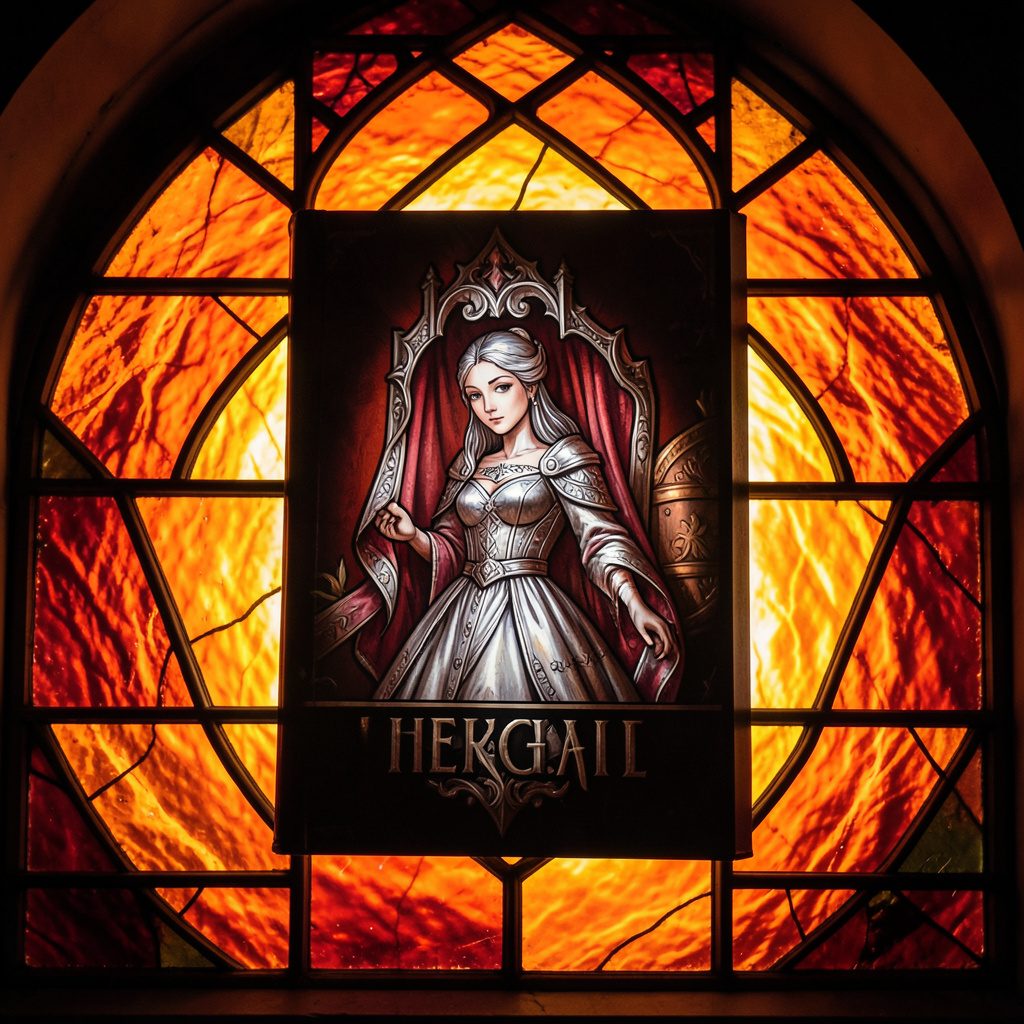
Selected works from across our quarterly issues, gathered into a printed volume. Past print runs have appeared in limited quantities and are available while supplies last.
Volumes cover poetry, short fiction, photography, paintings, drawings, reviews, and interviews — curated to reflect the breadth of artists who have shared their paths in the journal.
Browse Past IssuesInside the Pages
Since 2011, Stone Path Review has hosted contributions from more than twenty artists — poets, photographers, musicians, and filmmakers — along with interviews, readings, and film entries.
Recent volumes have included poetry from Mark Doty and Jim Harrison, an interview with a jazz musician from Minneapolis, MN, and the short film Efflorescence from Deep Field Cinema.
From the Blog
An all-star cast assembled for the fall issue — poetry, short stories, photography, and an interview with a jazz musician from Minneapolis, MN.
Read More →
A featured film entry from Deep Field Cinema, programmed as part of our ongoing screen series.
Read More →
418 Publishing, Inc. was started as the parent company of Stone Path Review, with five issues published by this point.
Read More →
Photography and artist interview, part of an ongoing series highlighting new and established contributors.
Read More →
A recorded poetry reading captured on video and shared alongside the print issue.
Read More →
Browse past quarterly issues of Stone Path Review, available online with limited print quantities.
Read More →