Events
Fall Issue Update
An all-star cast assembled for the fall issue — poetry, short stories, photography, and an interview with a jazz musician from Minneapolis, MN.
Read More →An Artistic Journal · Est. October 2011
A quarterly publication — online and in print — joining poets, photographers, painters, storytellers, and musicians into one open forum for cross-cultural expression.
The self-portrait has always been a conversation between appearance and identity. Long before front-facing cameras, artists used painted likenesses, reflected images, handwritten signatures and carefully staged poses to ask who they were, how they wished to be seen, and what might remain after their physical presence disappeared. A portrait could record a face, yet it could also conceal biography, ambition, class, intimacy or doubt.
The smartphone has made this private act immediate and repeatable. A person can now produce hundreds of images before breakfast, alter their expression with a filter, and distribute a self-image across several continents within seconds. The selfie may seem casual, but its visual grammar draws on centuries of portraiture: framing, gesture, costume, setting, light and the performance of a chosen identity.
For artists and viewers, this abundance creates a productive tension. The modern self-portrait is less concerned with proving what someone looks like than with showing how identity is assembled. It can be a photograph, video loop, avatar, sound work, collage or deliberately empty frame. In this changing field, the face is only one possible entry point into the self.
Early self-portraits were acts of control. A painter could decide the angle of the head, the quality of the clothing, the objects placed nearby and the expression preserved for posterity. The studio became a stage on which the artist negotiated status and vulnerability. Even when the image appeared realistic, it was an edited account rather than a transparent record.
Photography altered the balance between artist and image. The camera promised evidence, but the photographer still selected the moment, distance, focus and context. A self-portrait could be blurred, cropped or partially hidden, making absence as meaningful as recognition. Artists began to explore the body as a site of memory, gender, labour and social expectation rather than treating likeness as the final goal.
This history remains visible in contemporary publishing. A journal such as Trans Europa Medias Press reflects the way visual art can cross languages, regions and disciplines, allowing portraiture to sit beside poetry, criticism and experimental media. The self-image gains depth when it is placed in conversation with other forms instead of being consumed as an isolated profile picture.
The selfie introduces a distinctive relationship between subject, photographer and audience: all three positions often belong to the same person. The outstretched arm, mirror, timer or front-facing lens records an act of looking while the image is being made. This produces a visible awareness of performance. The subject is both in front of the camera and directing it.
That awareness can be playful, strategic or exhausting. Filters soften skin, reshape features and place faces inside animated scenes. A carefully chosen crop may suggest spontaneity while concealing preparation. Social platforms reward recognisable visual patterns, so individual expression can become tied to commercial templates, beauty standards and the pressure to remain present.
The image may also extend beyond sight. A person’s voice, room tone or street noise can complicate the polished visual surface, reminding us that identity includes an acoustic environment. Explorations of this idea can be found in field recording as composition, where listening becomes a way of understanding place and presence. A self-portrait might therefore be a breath, a footstep or the hum of a refrigerator rather than a face held towards the lens.
Australia offers a particularly varied setting for contemporary self-representation. In Melbourne, an artist might make a portrait against a tram window, a laneway mural or the changing light outside the National Gallery of Victoria. In Sydney, the harbour, beach culture and the spectacle of Vivid Sydney provide familiar backdrops, yet a personal image can challenge the polished tourism picture by focusing on fatigue, migration, work or isolation.
The country’s distance from major European and North American art centres has often encouraged independent networks. Artist-run spaces, small magazines, community radio and print fairs give creators ways to circulate work outside large commercial galleries. Local audiences may encounter a self-portrait as a risograph booklet in Fitzroy, a projection in a Newtown warehouse or a series shared through a Brisbane-based studio account.
Landscape also shapes the emotional vocabulary of Australian portraiture. Harsh sun, drought, bushfire smoke and long stretches of road can turn the environment into an extension of the body. A face photographed in Perth, Hobart or Darwin carries different assumptions about climate, distance and community. At the same time, artists working with First Nations histories must engage carefully with cultural authority, Country and the limits of an outsider’s gaze. A self-image is never separate from the social ground on which it is made.
For readers and contributors, Stone Path Review offers a useful model of how a self-portrait can live among many artistic forms. A photograph may gain new meaning beside an essay, painting, poem or video, encouraging audiences to consider the relationships between an individual image and a wider cultural exchange.
The desire for an authentic self-portrait has become more complicated as editing tools have become ordinary. Retouching is no longer limited to professional studios; it is built into phones, platforms and camera apps. Yet manipulation itself is not proof of dishonesty. Every portrait involves choices, and digital alteration can reveal how a person wants to inhabit an image.
The central issue is often consent and context. A private image sent to friends carries a different ethical weight from a sponsored post, a dating profile or a portrait used in a news story. Facial recognition systems, data harvesting and image scraping add further concerns. The person making a selfie may control the initial frame but lose control of its future circulation.
Some artists respond by refusing clarity. They obscure the face with fabric, reflection, motion or pixelation. Others construct multiple versions of themselves through avatars and artificial environments. A fictional identity can communicate emotional truth with greater precision than a literal likeness, particularly for people navigating safety, gender expression or public scrutiny. In this sense, self-portraiture is a practice of authorship: it asks who has the right to define a person’s image.
A self-portrait does not require a visible head and shoulders. A bedroom, collection of objects, handwriting, shadow or empty chair can suggest a life through traces. This approach makes the viewer an active participant, since meaning must be assembled from clues rather than delivered through facial expression. It also draws attention to the fact that every portrait excludes as much as it reveals.
Learning to notice these absences strengthens visual literacy. An essay on reading images without people demonstrates how architecture, scale, light and arrangement can carry the emotional work usually assigned to a face. For photographers, this offers a way to resist the demand for constant self-display while still making intimate work.
Digital culture adds another layer through avatars, game characters and invented worlds. A creator may express a private fear through a creature, a landscape or a stylised figure rather than a conventional portrait. Communities built around fantasy art and identity show how imaginative forms can become social masks, diaries and declarations. The fictional self is not necessarily less truthful; it may be the safest structure in which a difficult truth can appear.
The contemporary self-portrait is rarely finished when it is uploaded. It may be captioned, reposted, annotated, remixed or removed. Comments alter its meaning, while algorithms determine which versions of the self become visible. A single person can maintain distinct identities for family, colleagues, friends, artistic peers and anonymous audiences, each with its own visual language.
This fluidity changes the role of the archive. Printed photographs once offered a stable object that could be held, stored and rediscovered. Digital files can vanish with a broken phone, an erased account or a changed platform. Artists increasingly respond by printing screenshots, exhibiting message threads, recording screen activity or building physical installations from online fragments. The material object returns as a form of resistance to endless scrolling.
For Australian creators, the local art market makes this question especially tangible. Small editions, photobooks, gallery prints and subscription journals can give a digital portrait a longer life, while online publication allows work from regional towns to reach Melbourne, Sydney and international readers. The strongest self-portraits move between these spaces without treating one format as inherently superior. They preserve the instability of identity while giving the audience something considered enough to revisit.
| Form of self-portrait | Primary tools | Relationship with the audience | Typical strength |
|---|---|---|---|
| Painted likeness | Pigment, canvas, studio setting | Slow, contemplative viewing | Symbolic control and permanence |
| Photographic portrait | Camera, lens, light, location | Immediate recognition or scrutiny | Detail, evidence and atmosphere |
| Selfie | Smartphone, platform, filters | Rapid circulation and feedback | Accessibility and social connection |
| Video self-portrait | Moving image, voice, editing | Duration and repeated observation | Gesture, speech and transformation |
| Avatar or fictional figure | Digital design, game space, world-building | Participatory and identity-based | Protection, imagination and plurality |
| Object or empty-space portrait | Setting, possessions, traces, absence | Interpretive and reflective | Suggestion, memory and privacy |
The selfie did not replace the self-portrait; it widened its vocabulary. A quick image made in a lift, on a beach or outside a concert can carry the same questions that once occupied a painter in a studio: What is being shown? What is being withheld? Who is this image for, and how might its meaning change later?
Artists and readers can keep that conversation alive by looking beyond surface resemblance. Notice the setting, the edit, the silences, the borrowed visual codes and the histories attached to a body or place. Submit work, seek out independent journals, and spend time with portraits that resist instant recognition. The future of self-representation will belong to images that make room for complexity, attention and many ways of being seen.
Identity & Recognition
Featured Book
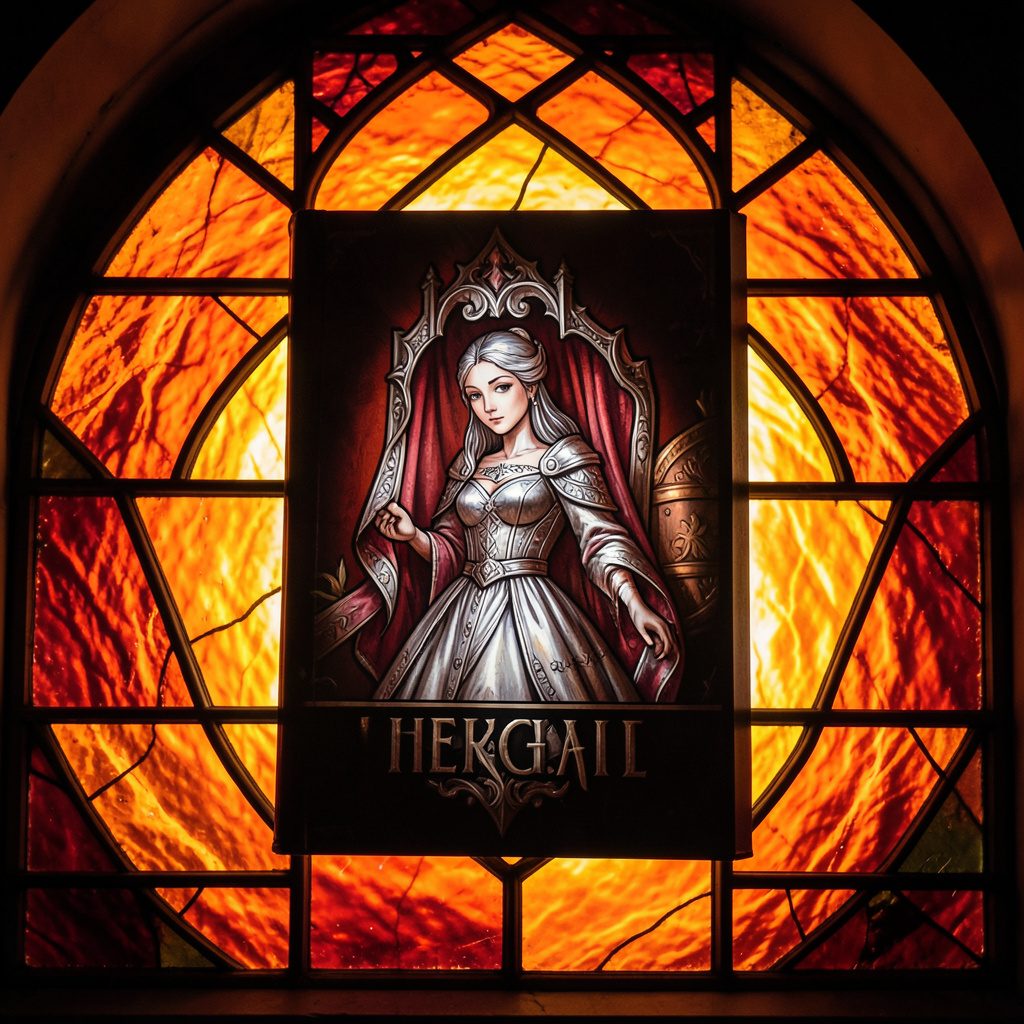
Selected works from across our quarterly issues, gathered into a printed volume. Past print runs have appeared in limited quantities and are available while supplies last.
Volumes cover poetry, short fiction, photography, paintings, drawings, reviews, and interviews — curated to reflect the breadth of artists who have shared their paths in the journal.
Browse Past IssuesInside the Pages
Since 2011, Stone Path Review has hosted contributions from more than twenty artists — poets, photographers, musicians, and filmmakers — along with interviews, readings, and film entries.
Recent volumes have included poetry from Mark Doty and Jim Harrison, an interview with a jazz musician from Minneapolis, MN, and the short film Efflorescence from Deep Field Cinema.
From the Blog
An all-star cast assembled for the fall issue — poetry, short stories, photography, and an interview with a jazz musician from Minneapolis, MN.
Read More →
A featured film entry from Deep Field Cinema, programmed as part of our ongoing screen series.
Read More →
418 Publishing, Inc. was started as the parent company of Stone Path Review, with five issues published by this point.
Read More →
Photography and artist interview, part of an ongoing series highlighting new and established contributors.
Read More →
A recorded poetry reading captured on video and shared alongside the print issue.
Read More →
Browse past quarterly issues of Stone Path Review, available online with limited print quantities.
Read More →