Events
Fall Issue Update
An all-star cast assembled for the fall issue — poetry, short stories, photography, and an interview with a jazz musician from Minneapolis, MN.
Read More →An Artistic Journal · Est. October 2011
A quarterly publication — online and in print — joining poets, photographers, painters, storytellers, and musicians into one open forum for cross-cultural expression.

Biographical fiction moves close to recognisable lives, where invention can illuminate an experience without erasing the person who supplied it. The ethical stakes rise when a real person can be identified from a handful of traits, when private harm becomes public property, or when an author borrows a voice carrying unequal social power. A responsible story may still be compelling, but accuracy is not a shield against harm.
Australian authors work within a lively market of independent presses, literary journals, festivals, readings and self-publishing. Those communities value experimentation, yet they also navigate real relationships between writers, editors, subjects and readers. Questions about consent, representation and truth therefore arise alongside practical decisions about research, contracts and publication. Ethical fiction begins with choices that continue long before a manuscript reaches print.
Accuracy and permission are different questions. A newspaper report may establish that someone lost a job, moved house or spoke publicly about a difficult experience. A fictionalised version can illuminate the consequences without reproducing every fact, but factual accuracy does not automatically authorise every use of that information. Publicly available details remain attached to a person whose reputation and relationships can be affected.
A label such as “inspired by true events” offers context without resolving the problem. It may protect readers from mistaking invention for journalism, yet it can also invite them to search for the subject. If a fictional character can be matched to a real individual through distinctive details, adding a fictional career or romance does not make the identification irrelevant.
Intent helps an author examine motives, while impact considers what reaches the actual subject. At a Melbourne bookshop reading, a publisher might hear praise for a memoirist’s candour and then receive an objection from the writer’s family. That response need not veto the work, but it should prompt questions about whose interests shaped the story and who may absorb its consequences.
Consent in fiction is rarely a simple signature on a form. A person may agree to an interview, a memoir or a fictional project while remaining uncertain about how intimate material will be used. Some subjects cannot be consulted because they are deceased, minors, in crisis or no longer reachable. Their absence from the process does not grant an author unlimited freedom.
Power alters the meaning of disclosure. A politician can usually withstand scrutiny that would endanger a migrant worker, abuse survivor or child. In a Brisbane scene about a public-health worker, revealing that an identifiable colleague drank heavily at a party might harm that person without advancing the central conflict. Ethical judgement asks who receives the benefit of disclosure and who carries its social cost.
Members of Aboriginal and Torres Strait Islander communities may also expect cultural protocols to govern the retelling of stories, places and knowledge. No single community speaks with one voice, and consultation must be specific rather than decorative. Editors at journals such as Stone Path Review can support writers by asking whether cultural knowledge has been treated as atmosphere, reward or borrowed authority.
Research can deepen a fictional world, but it can also make an invented person seem falsely assured. A writer consulting a Perth family archive, a Canberra press gallery or a court transcript encounters gaps, contradictions and partisan accounts. Turning those materials into seamless narrative may conceal how knowledge was assembled. Notes should record sources, disputed details and the difference between what someone said and what the writer inferred.
Composite characters offer one method of reducing direct identification. Combining a few traits from several people may prevent a subject from becoming a one-to-one label, especially when the composite still functions as a thinly disguised accusation. Yet the technique is ethically weak if it is used to evade consequences. A careful writer tests recognition, considers how readers might combine details and asks whether the real people involved would recognise the harm.
Certainty about a person’s motives can be especially dangerous. A novelist may reconstruct an argument in Brisbane with accurate weather, transport and workplace detail while inventing the emotional logic that drove it. First-person voice intensifies that risk. Recreating speech requires sensitivity to differences in education, dialect, culture and power, particularly when a character’s words will be used to condemn another person.
Australian defamation law is substantially aligned across states and territories, with truth and public interest serving as important defences to a claim concerning harmful publication. Identification remains central: a fictional name does not automatically prevent a reader or court from identifying who is meant. The Commonwealth Privacy Act 1988 applies to many public-sector organisations, while state and territory privacy regimes cover different private and public bodies. Copyright generally protects original expression rather than underlying facts, so those separate legal protections must also be considered.
Public interest is strongest when the material helps readers understand institutions, power or conduct that affects them. It is weaker when the private detail functions mainly as novelty. A Sydney literary circle might celebrate a politician’s fictional affair because it appears newsworthy, yet a former employee’s invented conviction could be equally sensational with far less public relevance.
Technical realism also deserves scrutiny. For a scene involving termites or an apartment infestation, professional pest control advice can offer a factual reference, with Australian climate, species and regulations determining the final detail. Accuracy matters because invented hazards can expose households, workers or neighbours to practical and reputational harm, particularly when the real building can be identified.
Ethical practice depends on decisions distributed across research, writing, editing and publication. An editor cannot repair a harmful premise simply by polishing the prose. Writers and editors benefit from discussing purpose, evidence, likely identification and foreseeable consequences while changes are still possible.
Questions that shape the ethical design
Checks before publication
Good process also supports trust between a journal and its audience. A publication can explain why it rejected an identifiable treatment, corrected an error or revised a story after consultation. Stone Path Review’s mailing list sign-up can keep readers close to new creative work and ongoing conversations about responsible artistic practice.
| Ethical issue | Stronger choice | Warning sign |
|---|---|---|
| Public records | Use them as context rather than permission | Treating searchable information as consent |
| Composite characters | Combine traits and test recognition | Using disguise to evade consequences |
| Reconstructed speech | Seek guidance and acknowledge uncertainty | Invention presented as damaging testimony |
| Private experience | Minimise identifying detail and assess reach | Novelty outweighing a person’s dignity |
| Legal uncertainty | Consult qualified local reviewers | Treating legal review as complete ethical approval |
Responsible fiction is built through relationships, not a final checklist. Writers benefit from editors who challenge easy assumptions, subjects who can speak for themselves when possible and communities that receive credit when their knowledge contributes to a story. Ethical uncertainty may remain, but it should be handled with humility rather than disguised as authorial certainty.
Readers also participate in this culture by supporting work that treats real lives with care. People can encounter new writing, performance and discussion through upcoming Stone Path events, while contributors can bring their own questions and revisions into the journal’s open forum. Read, respond, submit and help keep creative freedom bound to human dignity.
Identity & Recognition
Featured Book
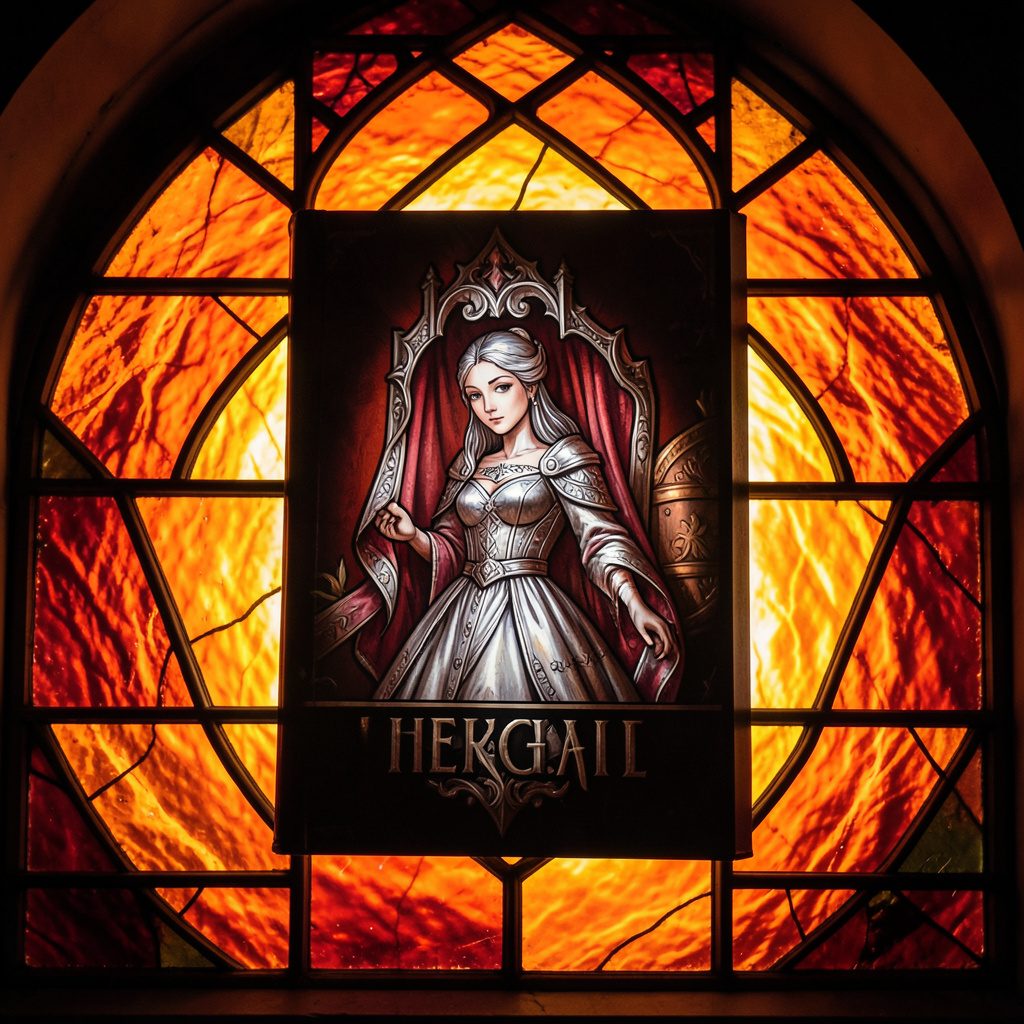
Selected works from across our quarterly issues, gathered into a printed volume. Past print runs have appeared in limited quantities and are available while supplies last.
Volumes cover poetry, short fiction, photography, paintings, drawings, reviews, and interviews — curated to reflect the breadth of artists who have shared their paths in the journal.
Browse Past IssuesInside the Pages
Since 2011, Stone Path Review has hosted contributions from more than twenty artists — poets, photographers, musicians, and filmmakers — along with interviews, readings, and film entries.
Recent volumes have included poetry from Mark Doty and Jim Harrison, an interview with a jazz musician from Minneapolis, MN, and the short film Efflorescence from Deep Field Cinema.

From the Blog
An all-star cast assembled for the fall issue — poetry, short stories, photography, and an interview with a jazz musician from Minneapolis, MN.
Read More →
A featured film entry from Deep Field Cinema, programmed as part of our ongoing screen series.
Read More →
418 Publishing, Inc. was started as the parent company of Stone Path Review, with five issues published by this point.
Read More →
Photography and artist interview, part of an ongoing series highlighting new and established contributors.
Read More →
A recorded poetry reading captured on video and shared alongside the print issue.
Read More →
Browse past quarterly issues of Stone Path Review, available online with limited print quantities.
Read More →