Events
Fall Issue Update
An all-star cast assembled for the fall issue — poetry, short stories, photography, and an interview with a jazz musician from Minneapolis, MN.
Read More →An Artistic Journal · Est. October 2011
A quarterly publication — online and in print — joining poets, photographers, painters, storytellers, and musicians into one open forum for cross-cultural expression.

Being a working musician in 2025 means managing a small, shifting business while making the art that gives the business a reason to exist. Income may arrive through live performance, session work, teaching, streaming, royalties, merchandise, grants, or commissioned projects, often in uneven amounts and on different payment schedules.
For musicians in Australia, the arithmetic has particular pressures. Travel between Sydney, Melbourne, Brisbane, Adelaide, Perth and regional centres can turn a promising booking into a costly one. Rent, equipment, insurance and digital promotion continue to rise, while audiences are careful about discretionary spending. A sustainable career therefore depends less on one breakthrough and more on understanding margins, contracts and repeatable income.
Live performance remains highly visible, but it is rarely the whole financial picture. A venue fee may be useful publicity, while a private function, corporate booking or well-paid festival slot may subsidise several smaller shows. Original artists can also earn through APRA AMCOS royalties when their compositions are performed, broadcast or streamed, although payments often arrive later than the work itself.
Streaming is valuable for reach but usually modest as a direct source of cash unless a musician has substantial listening volume. A catalogue can still function as a long-term asset, especially when songs are licensed for film, advertising, games or online content. Session recording, remote production and songwriting for other performers can create steadier work between tours.
A diversified income mix might include:
The strongest income streams often reinforce one another. A workshop can introduce listeners to an artist’s recordings, while a live show can lead to private commissions or teaching clients. Musicians who track where each booking comes from can identify the activities that produce genuine profit rather than simply generating attention.
For visual promotion, low-cost and adaptable assets matter. An independent artist planning seasonal artwork, posters or social posts might draw on Easter visual references when developing a campaign, provided the licensing terms allow commercial use. The wider lesson is practical: a recognisable visual identity does not always require an expensive agency.
A useful budget separates earned income from hoped-for income. A confirmed performance fee belongs in the first category; a possible grant, uncertain stream count or unconfirmed festival invitation belongs in the second. This distinction prevents musicians from committing to equipment purchases or travel before the money is secure.
Australian musicians also need to consider payment timing. A venue may pay on the night, while a festival or commissioning body may take 14 or 30 days. A royalty payment can take considerably longer. Keeping a cash reserve for fuel, repairs and tax is less glamorous than releasing music, yet it is central to remaining available for the next opportunity.
A practical annual mix can be designed around several layers:
This model also helps musicians judge “exposure” offers. Exposure has a financial value only when it leads to a measurable outcome: a new mailing-list subscriber, a credible contact, future paid work or meaningful media coverage. A free performance may be worthwhile for a carefully chosen cultural event, but it should not become the default rate for professional labour.
Industry publications can help artists understand how other creative workers present projects, negotiate visibility and build audiences. Reading LAR Magazine alongside music-specific sources can widen that perspective, particularly for musicians working across sound, photography, performance and visual art.
The advertised fee for a show is not the musician’s take-home pay. Expenses may include rehearsal time, instrument maintenance, strings or drumheads, software subscriptions, public liability insurance, transport, parking, accommodation, food, payment processing and the unpaid hours spent preparing a set. A solo performer may carry less gear, while a band may generate a stronger experience but divide the fee among several people.
Australian geography magnifies these calculations. A Melbourne artist can often move between inner-city venues by public transport, but a regional tour may require a van, fuel and accommodation. Perth-based musicians face long flight distances when touring the eastern states. In Sydney, tolls, parking and load-in restrictions can materially affect a short booking. These are business costs, not incidental annoyances.
| Income or cost area | Common financial effect | Useful planning response |
|---|---|---|
| Local venue performance | Moderate gross fee, variable audience share | Confirm minimum guarantee and set length |
| Regional touring | Higher gross potential, high travel overhead | Group dates geographically and budget per kilometre |
| Private or corporate event | Often stronger fee, specific client demands | Quote preparation, travel and overtime separately |
| Teaching and workshops | More predictable recurring income | Set cancellation terms and package rates |
| Streaming and royalties | Slow, cumulative return | Register works and maintain accurate metadata |
| Merchandise | Direct margin with upfront inventory risk | Test small runs and track unsold stock |
Insurance deserves particular attention. Some venues require public liability cover, and a hired PA or lighting system may need separate protection. Instrument insurance can also be important for musicians travelling by air or leaving equipment in shared vehicles. A broken amplifier or stolen guitar can remove future income as well as create a repair bill.
The hourly rate should include invisible labour. If a $400 booking takes two hours on stage, three hours of rehearsal, two hours of travel and an hour of administration, the apparent fee becomes much less impressive. Calculating the full time commitment makes it easier to set a minimum fee and decline work that would leave the musician out of pocket.
Many Australian musicians work as sole traders and use an Australian Business Number, although an ABN does not automatically determine whether a person is legally an independent contractor. The actual working arrangement matters. A business that controls hours, duties and the manner of work may create obligations associated with employment, even when an invoice is requested.
Goods and services tax becomes relevant when business turnover reaches the registration threshold of $75,000. Registered businesses generally charge GST, claim eligible credits and lodge the required reporting. Musicians should keep records of invoices, receipts, kilometres, equipment purchases and business-use portions of phone or internet costs. A tax professional can clarify circumstances that vary between a home studio, touring practice and mixed employment.
Superannuation is another part of the real cost of labour. The Superannuation Guarantee rate is 11.5 per cent from 1 July 2024 to 30 June 2025 and rises to 12 per cent from 1 July 2025 for eligible employees. Some contractor arrangements can also attract super obligations when the contract is principally for the person’s labour. A musician who quotes a fee without allowing for retirement savings may be underpricing the work.
Before accepting a booking, written terms should cover:
Copyright and neighbouring rights can become confusing when a performance is filmed or streamed. The artist should know who owns the recording, who can reuse it, where it may appear and whether additional payment applies. Musicians should also register works accurately with relevant collecting societies and keep setlists, cue sheets and split agreements where appropriate.
Negotiation is a creative skill, not a sign that music has become less meaningful. A clear email confirming the arrangement can prevent a disagreement months later. Lessons from other art forms are useful here: an essay on breaking ceramic pots offers a reminder that process, material loss and repair can reveal the true structure of a practice. In music, that structure includes the terms surrounding the performance.
Sustainability does not mean turning every artistic choice into a commercial calculation. It means protecting enough time, health and financial capacity to continue making meaningful work. A musician may choose an experimental project with little immediate income, provided that decision is made consciously and balanced by other work.
A simple monthly review can show whether the practice is moving in a workable direction. Record gross income, direct costs, unpaid hours, tax set aside, superannuation and the source of each booking. Compare the results by activity. A residency might produce less publicity than a one-off festival but offer far better hourly income and a dependable relationship with an audience.
Audience ownership also matters. Social platforms can help discovery, but an email list, ticketing database or direct membership gives an artist a more stable way to announce releases and shows. Consent and privacy obligations should be respected, and promotional messages should offer genuine value rather than constant sales pressure.
Cross-disciplinary publication can provide another route for building a durable public profile. Musicians with essays, photographs, scores, reviews or recorded work can review the submission details for Stone Path Review, an open forum that accepts work without reading or submission fees. Such opportunities do not replace paid work, but they can place an artist’s practice in a richer cultural context.
The economics of being a working musician in 2025 are demanding because the job contains several jobs: performer, producer, administrator, marketer, technician and rights manager. The answer is not to chase every possible revenue stream. It is to identify a manageable combination, price labour honestly, protect creative energy and build systems that make the next project less precarious.
Musicians can start with one concrete action this week: review the last five bookings, calculate the true hourly return, update the standard contract and move a fixed percentage of each payment into tax and superannuation savings. Then use the remaining information to set a sustainable minimum fee and pursue work that supports both the livelihood and the music.
Identity & Recognition
Featured Book
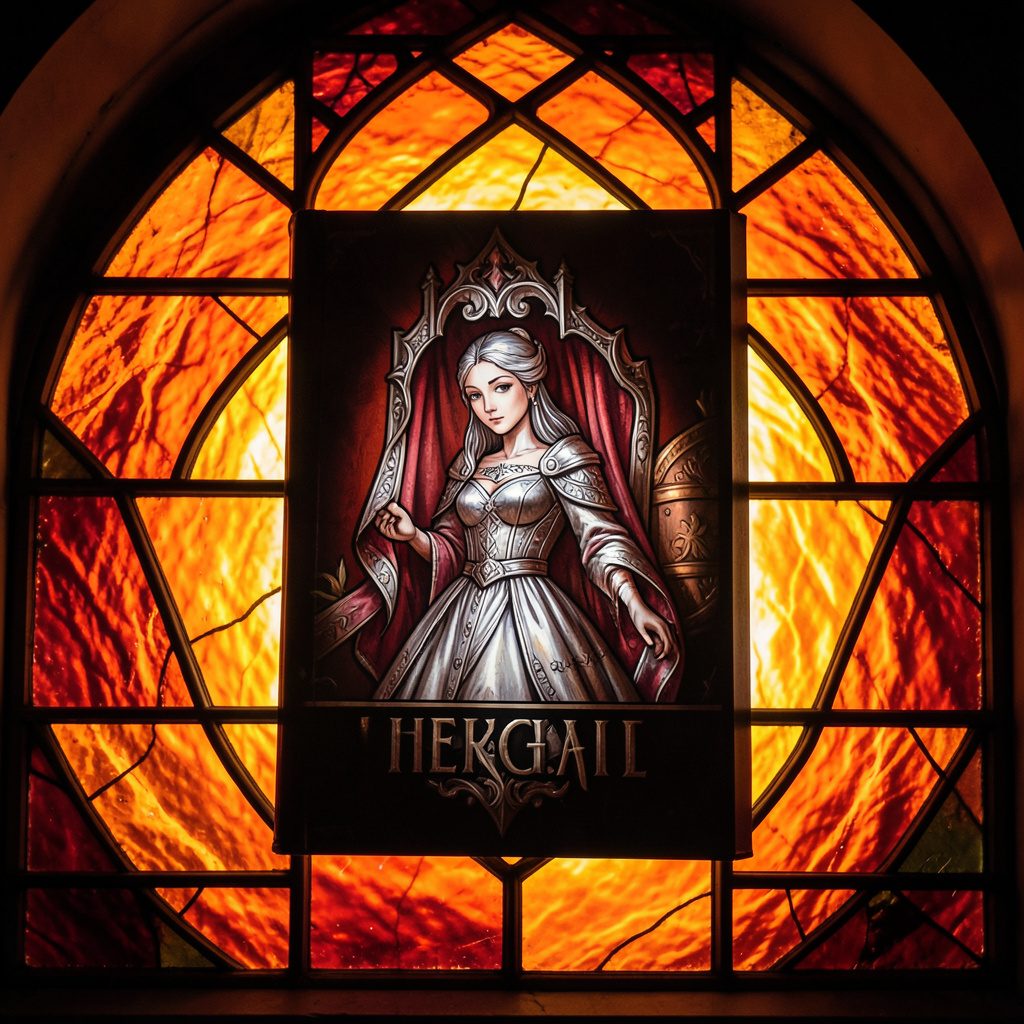
Selected works from across our quarterly issues, gathered into a printed volume. Past print runs have appeared in limited quantities and are available while supplies last.
Volumes cover poetry, short fiction, photography, paintings, drawings, reviews, and interviews — curated to reflect the breadth of artists who have shared their paths in the journal.
Browse Past IssuesInside the Pages
Since 2011, Stone Path Review has hosted contributions from more than twenty artists — poets, photographers, musicians, and filmmakers — along with interviews, readings, and film entries.
Recent volumes have included poetry from Mark Doty and Jim Harrison, an interview with a jazz musician from Minneapolis, MN, and the short film Efflorescence from Deep Field Cinema.

From the Blog
An all-star cast assembled for the fall issue — poetry, short stories, photography, and an interview with a jazz musician from Minneapolis, MN.
Read More →
A featured film entry from Deep Field Cinema, programmed as part of our ongoing screen series.
Read More →
418 Publishing, Inc. was started as the parent company of Stone Path Review, with five issues published by this point.
Read More →
Photography and artist interview, part of an ongoing series highlighting new and established contributors.
Read More →
A recorded poetry reading captured on video and shared alongside the print issue.
Read More →
Browse past quarterly issues of Stone Path Review, available online with limited print quantities.
Read More →