Events
Fall Issue Update
An all-star cast assembled for the fall issue — poetry, short stories, photography, and an interview with a jazz musician from Minneapolis, MN.
Read More →An Artistic Journal · Est. October 2011
A quarterly publication — online and in print — joining poets, photographers, painters, storytellers, and musicians into one open forum for cross-cultural expression.
A zine is a small, self-published work made outside the usual editorial machinery. It might hold poems, collage, photographs, interviews, drawings, or music on paper. Its modest scale can make it look private, but circulation changes that. When copies move through friends, shops, fairs, libraries, and letterboxes, a private voice enters public life and challenges who gets to decide what culture matters.
That possibility is what makes the art of the zine politically charged. DIY is not automatically radical, and a handmade publication can reproduce exclusion as easily as it interrupts it. Yet control over production gives artists unusual leverage: the choice of subject, image, language, price, and audience becomes part of the message. The zine’s value lies in opening a route from maker to reader that established institutions often leave closed.
A zine usually circulates in a numbered edition: stapled, trimmed, photocopied, screen-printed, or risographed with care and improvisation. Unlike a post, it offers sequence and duration. Unlike a mass-market magazine, it can change under a creator’s hand at the last minute. That scale supports intimate subjects and quick responses while giving readers something durable to exchange, annotate, and keep.
The open-forum model described in Stone Path Review’s mission reflects this independent spirit. The quarterly, published by nonprofit 418 Publishing, brings visual art and writing into the same forum, while its international range resists a single national style. For emerging and established practices, that kind of platform matters: it treats a self-initiated work as a contribution to a shared cultural conversation rather than a product awaiting approval from a distant market.
The visual grammar of zines rejects the clean authority associated with commercial publishing. Uneven ink, clipped words, overlapping images, handwritten captions, and visible staples can make production errors feel purposeful. These choices reject the illusion of effortless perfection and reveal the material conditions of making. A copied photograph can carry the texture of a poorly lit room; a distorted typeface can suggest urgency, intimacy, or the friction of putting an idea into print.
Cheap reproduction also gives the form a relationship to samizdat, or the circulation of independently copied texts outside official channels. The historical comparison should not be overstated, but the shared principle remains meaningful: when ordinary people can copy and pass along work themselves, they can reach one another without waiting for permission. The homemade object becomes a small piece of parallel infrastructure.
This roughness can carry an argument as well as a mood. A crowded layout may express abundance or agitation, while generous white space can create room for grief or contemplation. Collage can place official imagery beside a handwritten correction, making the page itself a site of revision. Even the choice between a neat edition and a deliberately imperfect one can question which kinds of cultural authority deserve to shape a reader’s eye.
Local infrastructure keeps the movement tangible. In inner-city Melbourne, shared studios and small gatherings around Brunswick and Collingwood provide places to bind, screen-print, photograph, and swap work. Adelaide’s Tville fair shows another model: a recurring gathering that treats browsing and conversation as part of publishing. Both make the zine feel social rather than solitary.
In Brisbane, the State Library of Queensland’s collecting places DIY work within public memory. In Canberra, the National Library of Australia preserves examples that might otherwise disappear after a few sales. Preservation does not neutralise a zine’s rough edges. It allows researchers to examine its language, design, politics, and the routes through which communities circulated their own voices.
The market is similarly small and practical. Printers sell short runs, independent bookshops and record shops often take consignments, and stalls at arts markets move copies directly. Australia’s distances make postage expensive, so a $12 issue can carry substantial freight costs; bundled mailings and local pickup help. In conversation, phrases such as “keen,” “have a go,” and “fair dinkum” can make the scene’s welcome sound informal, but that casualness can conceal the labour of pricing, packing, and reaching buyers beyond the inner suburbs.
The political force comes from choices about access. A photocopied leaflet can be duplicated by a movement, while a screen-printed memoir can circulate without asking a national outlet to approve its narrator. Design can reject the glossy authority of advertising, and a low cover price can bring the work within reach of students, pensioners, or precarious workers. The relevant question is not whether a publication avoids money, but whether its structure lets creators and readers exchange agency.
Content matters too. Queer histories, disability writing, climate testimony, migrant accounts, feminist zines, and First Nations self-published projects can open gaps left by official narratives. This should not romanticise every small format, and authorship should remain specific rather than becoming a generic symbol. Reading independent publishing conversations can place these choices within current arguments about literary economies, while the practical question remains: does the distribution method reach the people whose experiences the work names?
Digital tools have widened the zine’s possible audiences. A page designed on a laptop can become a printable PDF, an image post, a web comic, or an issue sent by email. Small publishers can coordinate releases across time zones, update work after printing, and invite contributions without arranging a physical meeting. Digital production also lowers some barriers, although access to devices, scanners, software, and reliable connections remains uneven.
Some zines now exist as hybrid objects: a download linked to a QR code, an audio edition accompanying a print issue, or a web archive that expands a physical pamphlet. Photography can be gathered from image feeds, but a neon city photography roundup shows how instantly a shared visual language circulates. In print, grain, glare, and blown highlights become a visual argument, though credit and permission still matter. The best hybrid zines treat each format as a distinct encounter rather than treating the screen as an automatic substitute for paper.
Form should follow purpose. A work built around urgency may work best as a broadside or disposable newsletter, while an archive of oral histories might need a bound edition and clear index. Design, print method, price, and distribution should reinforce one another. A polished book that depends on an exclusive launch can exclude readers just as effectively as a low-cost zine cannot reach beyond its immediate network.
Before choosing a format, ask what the work needs to do. Does it require permanence, speed, secrecy, public visibility, participation, or all of these? Can readers respond, alter, copy, or pass the publication on? Production should support those ambitions without allowing technique to swallow the message.
| Format | Production method | Strongest asset | Political potential | Main constraint |
|---|---|---|---|---|
| Small-run zine | Photocopy, screen-print, or risograph | Direct authorial control | Bypasses conventional gatekeepers | Limited print run and hand distribution |
| Artist book | Considered print edition | Depth and physical presence | Builds a durable cultural argument | Cost, storage, and slower sales |
| Digital issue | PDF, website, or image post | Speed and broad reach | Supports rapid organising | Platform dependence and uneven access |
| Newsletter | Recurring email | Habitual contact | Sustains community discussion | Inbox competition and changing algorithms |
| Podcast | Recorded audio | Intimacy and portability | Centres oral testimony and participation | Discoverability and listening accessibility |
| Broadside | Single sheet or poster | Public visibility | Enables immediate intervention | Exposure, weather, and removal |
A useful publishing sequence begins with a small, testable edition rather than a grand launch. Six practical recommendations can help an independent project remain clear, durable, and reachable:
Treat circulation as part of the editorial work. A launch party is useful, but distribution also depends on shop consignment, swaps, libraries, social media, university groups, and readers passing copies to someone else. Give each issue a reason to travel: a useful local guide, a compelling interview, a visual surprise, or a collective action. The zine becomes more than an object when its copies start conversations.
Stone Path Review accepts submissions without charging reading or submission fees, while readers can join the mailing list for calls for work, new issues, and events. Authors, photographers, musicians, and readers all keep the form alive by contributing rather than waiting to be discovered. Make the next issue, pass it across the country, and keep the conversation moving.
Identity & Recognition
Featured Book
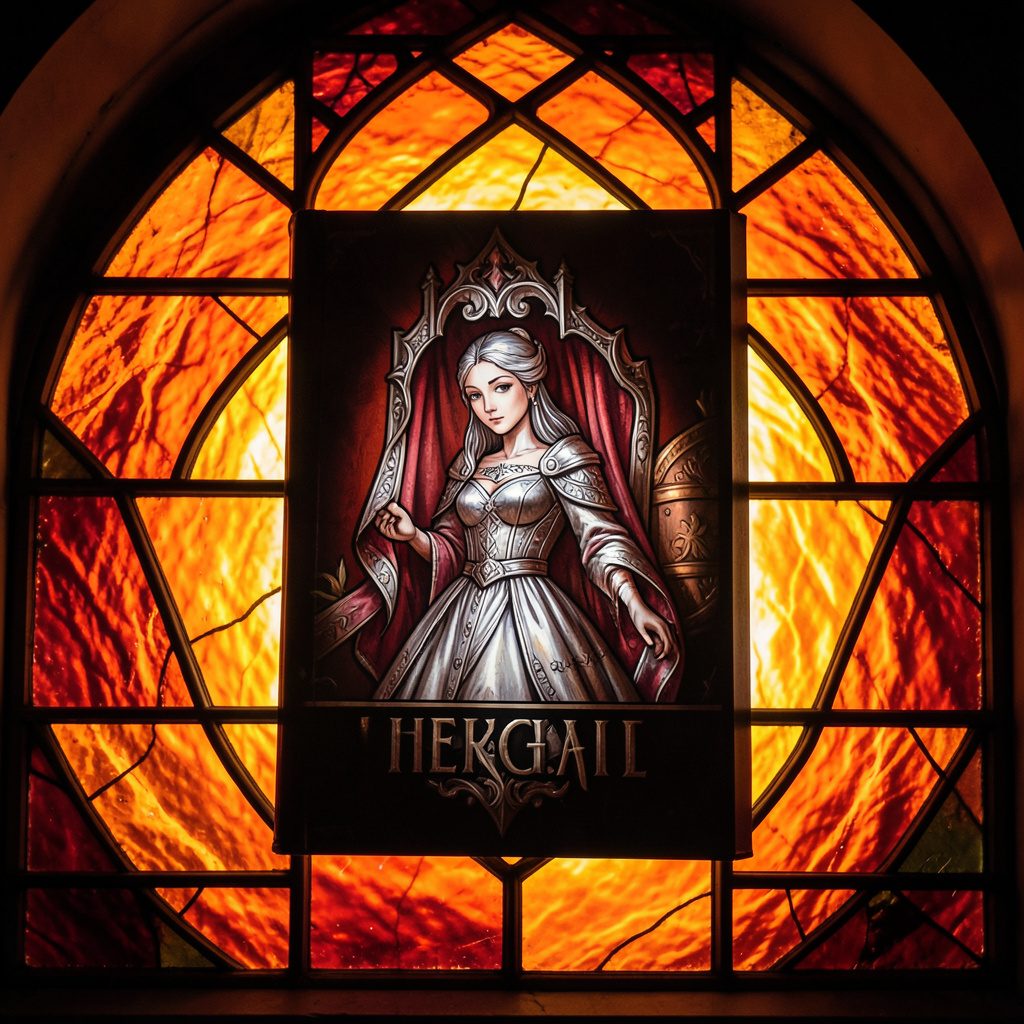
Selected works from across our quarterly issues, gathered into a printed volume. Past print runs have appeared in limited quantities and are available while supplies last.
Volumes cover poetry, short fiction, photography, paintings, drawings, reviews, and interviews — curated to reflect the breadth of artists who have shared their paths in the journal.
Browse Past IssuesInside the Pages
Since 2011, Stone Path Review has hosted contributions from more than twenty artists — poets, photographers, musicians, and filmmakers — along with interviews, readings, and film entries.
Recent volumes have included poetry from Mark Doty and Jim Harrison, an interview with a jazz musician from Minneapolis, MN, and the short film Efflorescence from Deep Field Cinema.
From the Blog
An all-star cast assembled for the fall issue — poetry, short stories, photography, and an interview with a jazz musician from Minneapolis, MN.
Read More →
A featured film entry from Deep Field Cinema, programmed as part of our ongoing screen series.
Read More →
418 Publishing, Inc. was started as the parent company of Stone Path Review, with five issues published by this point.
Read More →
Photography and artist interview, part of an ongoing series highlighting new and established contributors.
Read More →
A recorded poetry reading captured on video and shared alongside the print issue.
Read More →
Browse past quarterly issues of Stone Path Review, available online with limited print quantities.
Read More →