Events
Fall Issue Update
An all-star cast assembled for the fall issue — poetry, short stories, photography, and an interview with a jazz musician from Minneapolis, MN.
Read More →An Artistic Journal · Est. October 2011
A quarterly publication — online and in print — joining poets, photographers, painters, storytellers, and musicians into one open forum for cross-cultural expression.
An artist’s statement often appears as a courtesy: a few paragraphs submitted with a portfolio, printed beside an exhibition, or attached to a proposal. Its task can seem simple—explain the work without taking up too much space. Yet it establishes the first conditions for attention, showing what the artist wants a reader, viewer or listener to perceive and why the chosen form matters.
The strongest statements create orientation without issuing instructions. They reveal a creative concern, describe the decisions that shaped the work, and leave room for interpretation. This balance between artistic intent and an audience’s response is delicate. The text can guide a curator, editor or fellow artist without claiming that a painting, poem, performance or film has only one correct meaning.
An artist’s statement is often mistaken for a biography with better verbs. Dates, exhibitions and prizes establish a record, but they do not reveal what preoccupies the maker. A statement should answer a more exacting question: what kind of encounter is this work prepared to hold?
Description has a place. Scale, duration and medium orient the reader, while a list of materials can become inventory. Explain only details that affect perception: the clay kept visible, the field recording made at dawn, the long pause before a spoken word. Form matters when it clarifies the idea.
An effective statement also resists false certainty. It can say what the artist is pursuing while acknowledging that the work may exceed that intention. Its authority comes from specificity and care. When it turns into promotional copy, it loses trust; when it becomes intimate confession without context, it asks too much of the reader.
Writing can also function as a studio practice. Drafting helps an artist notice the difference between the idea held in the mind and the idea that survives in finished work. A paragraph can expose an unsupported claim, reveal an absent collaborator or sharpen the reason for a formal decision before anyone sees the piece.
At Stone Path Review, the meeting of poetry, fiction, visual art, music, moving image and criticism shows why a statement can bridge disciplines. Its readers may arrive from different practices, so the text should open a route into the work rather than assume specialist knowledge.
For a visual artist, that route might run through repeated actions or changes in scale. For a musician, it might concern duration, location or the handling of silence. A writer may need to define a form before describing its subjects. Biography can appear when it has been transformed by the work, but disclosure alone does not create meaning.
Place in an Australian statement may be physical, cultural or economic. A Melbourne artist might gather visual material from laneways, while a regional practitioner may work within long travel distances and variable internet access. Naming the conditions of observation can show how place alters pace, scale, colour or sound.
Thinking through a bounded project such as 100 Days for ALAA raises a useful editorial question: when making unfolds over a fixed period, which rules, accidents and revisions accumulated? A statement can identify those conditions, giving coherence to work that may otherwise look anecdotal.
Australian conversational directness can be useful if handled with precision. Phrases such as “have a go” and “fair go” express an expectation of participation and fair access. Plain verbs—made, tested, shared, questioned—can give an artist’s statement similar candour without stripping it of complexity.
For Aboriginal and Torres Strait Islander artists, place also involves cultural responsibility. A statement may need to distinguish cultural knowledge from personal interpretation, acknowledge permissions and avoid presenting Country as scenery. Where community protocols apply, those protocols should guide both content and form, including what remains unspoken.
There is no neutral format for this writing. A gallery wall, grant assessor, festival programmer, editor and podcast host each need a different balance of information. The underlying account can remain stable while its compression, evidence and tone change to suit the reader and the setting.
Length follows purpose, not fashion. A label should orient quickly; a proposal needs context and accountability; a submission note should explain the work’s value to a particular readership. Drafting each version from the same set of core notes helps prevent inconsistency.
| Format | Best setting | Main emphasis | Typical length |
|---|---|---|---|
| Exhibition label | Gallery or museum | Immediate orientation, medium and central idea | 40–80 words |
| Portfolio introduction | Website or email | Line of inquiry and key methods | 120–200 words |
| Grant application | Funding body | Context, process, outcomes and public value | 250–400 words |
| Press release | Media listing | Premise, timely facts and a clear artist voice | 100–180 words |
| Oral introduction | Tour or walk-through | Spoken connection to what visitors can see or hear | 45–90 seconds |
| Submission note | Journal or magazine | What the work does and why it fits the publication | 100–200 words |
For performance, dramaturgy offers a precise way to describe action, space and reception. A new dramaturgy resource can help writers ask what an audience encounters, rather than merely listing what a production contains. The same discipline improves visual and written statements: describe the encounter, not only the inventory.
Statements gain trust from evidence. A dated sequence of tests, a discarded maquette, a repeated sound or a documented collaboration can show how decisions developed. The evidence should illuminate the work without becoming a diary of everything that happened.
An essay on urban sketching practice makes this concrete: pavements, weather, gestures and chance encounters become compositional material. A statement can name the specific pressures of working in public, including permission, distraction and the need to finish quickly.
Honest limits are useful too. Artists can identify unresolved questions, shared authorship or materials whose behaviour they could not fully control. Australian market conditions often shape the work as well: grants, commissions, teaching and sales may sit alongside one another, while Art Basix in Sydney and small venues in Melbourne and Brisbane connect artists with buyers through a national network shaped by freight, insurance and uneven access. These pressures need only appear when they affect the creative question.
A reliable draft begins with notes rather than polished sentences. Record the encounter you want to create, the decisions that mattered, the contexts that cannot be separated from the work and the terms you want to avoid. Then shape those notes for a particular reader.
Before drafting, read the work closely and test its central claim against the evidence available. If a statement needs to explain why a material, sound, image or gesture was chosen, the explanation should connect directly to what the audience can encounter.
After revision, remove any sentence that could describe almost any practice. A claim about failure, doubt or transformation needs evidence: a specific constraint, discarded option or visible result. The aim is to give uncertainty shape and proportion.
A statement succeeds when it turns attention toward the work without demanding a single route through it. Its language should be exact enough to establish character and open enough to support curiosity. That quality becomes especially valuable in a public artistic forum, where artists, collaborators and readers may enter from very different experiences.
Stone Path Review offers that cross-cultural setting through poetry, fiction, essays, reviews, photography, painting, drawing, music and video. Published by 418 Publishing, Inc., a nonprofit parent organisation, the journal accepts submissions without reading or submission fees. Its open remit makes a well-shaped artist’s statement particularly useful: it can connect a work to a reader beyond the artist’s immediate circle.
Artists, writers and makers can submit a finished project with a statement that identifies its central concern, process and intended encounter. Bring the work forward with honesty, make the entrance clear, and let readers discover where their own attention takes them.
Identity & Recognition
Featured Book
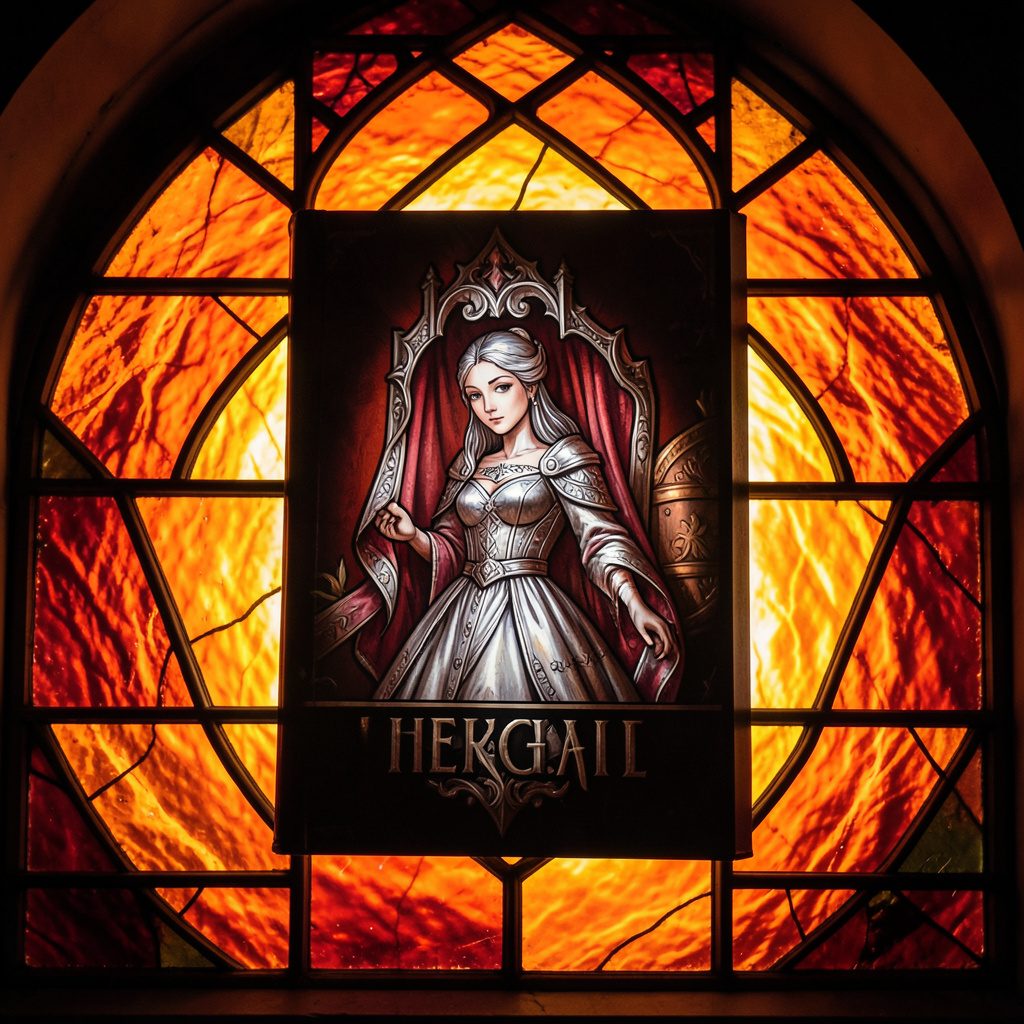
Selected works from across our quarterly issues, gathered into a printed volume. Past print runs have appeared in limited quantities and are available while supplies last.
Volumes cover poetry, short fiction, photography, paintings, drawings, reviews, and interviews — curated to reflect the breadth of artists who have shared their paths in the journal.
Browse Past IssuesInside the Pages
Since 2011, Stone Path Review has hosted contributions from more than twenty artists — poets, photographers, musicians, and filmmakers — along with interviews, readings, and film entries.
Recent volumes have included poetry from Mark Doty and Jim Harrison, an interview with a jazz musician from Minneapolis, MN, and the short film Efflorescence from Deep Field Cinema.
From the Blog
An all-star cast assembled for the fall issue — poetry, short stories, photography, and an interview with a jazz musician from Minneapolis, MN.
Read More →
A featured film entry from Deep Field Cinema, programmed as part of our ongoing screen series.
Read More →
418 Publishing, Inc. was started as the parent company of Stone Path Review, with five issues published by this point.
Read More →
Photography and artist interview, part of an ongoing series highlighting new and established contributors.
Read More →
A recorded poetry reading captured on video and shared alongside the print issue.
Read More →
Browse past quarterly issues of Stone Path Review, available online with limited print quantities.
Read More →