Events
Fall Issue Update
An all-star cast assembled for the fall issue — poetry, short stories, photography, and an interview with a jazz musician from Minneapolis, MN.
Read More →An Artistic Journal · Est. October 2011
A quarterly publication — online and in print — joining poets, photographers, painters, storytellers, and musicians into one open forum for cross-cultural expression.
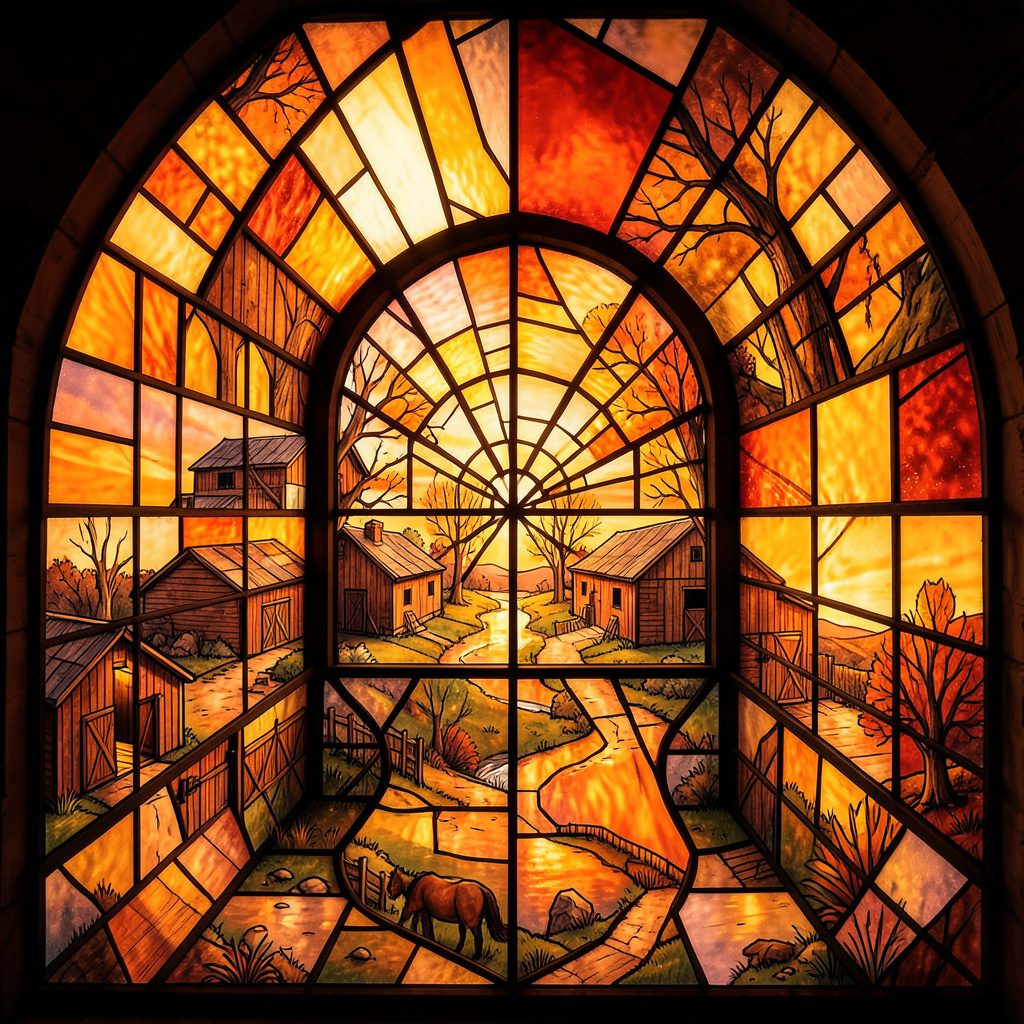
Infrared photography begins with a familiar landscape and ends somewhere less certain. Leaves may turn white, skies can deepen to near-black, and ordinary buildings acquire a dreamlike surface. The camera records wavelengths beyond the range of human vision, revealing a version of the world that feels both documentary and imagined.
For photographers, the attraction is more than a special effect. Infrared imaging changes the decisions made before, during, and after exposure. It encourages slower observation, careful control of light, and a willingness to let colour, texture, and atmosphere behave in unfamiliar ways. In Australia, where harsh sun, pale interiors, dense bush, and vast horizons offer such varied conditions, the medium can become a distinctive visual language.
Digital cameras usually block most infrared wavelengths with an internal filter, allowing them to produce natural-looking colour. An infrared-converted camera removes or weakens that barrier, making the sensor sensitive to near-infrared light. A filter placed over the lens then determines which part of the spectrum reaches the sensor.
The result depends on the equipment and the subject. Healthy foliage reflects a large amount of infrared radiation, which is why trees and grass can appear luminous. Water and dark skies often render very differently from their visible-light equivalents. Human skin may become unusually smooth, while some synthetic fabrics reveal seams, stains, or textures that ordinary photography leaves hidden.
This unpredictability gives infrared work its expressive strength. A suburban park can resemble a snow-covered country, and a familiar gum tree can look almost skeletal against a darkened sky. The image remains connected to a real place, yet it asks the viewer to reconsider what “natural” means.
The first lesson is that infrared is governed by light rather than colour as the eye understands it. Bright sunshine generally produces the strongest effect, particularly when vegetation is present. Overcast weather can still work, but the tonal separation may be gentler and the final image more atmospheric than dramatic.
Exposure can be challenging because infrared filters are very dark. A camera mounted for visible-light work may require a long shutter speed, a high ISO, or a tripod. Even with a converted body, metering can be unreliable, so photographers often bracket exposures and inspect the histogram rather than trusting the preview alone.
Focus also deserves attention. Infrared light does not focus at exactly the same point as visible light. Modern lenses may handle this more smoothly than older designs, but testing at different apertures is worthwhile. Manual focus, image stabilisation, and a remote release can help when exposures stretch into several seconds.
There are several ways into infrared photography, and the most suitable choice depends on how often the photographer expects to use it. A screw-on filter is relatively inexpensive, while a dedicated conversion offers a faster, more responsive camera that can be used handheld in bright conditions.
Useful equipment choices include:
Lens selection matters because some optics produce a pale circular mark, known as an infrared hotspot, when stopped down. This issue varies by lens design and aperture, so researching sample images is often more valuable than relying on brand reputation. Wide-angle lenses can exaggerate the scale of a sky, while short telephoto lenses isolate bright foliage and distant architecture.
Post-processing software is part of the process rather than a rescue tool. Raw files retain greater control over white balance, contrast, highlights, and channel adjustments. A custom white balance taken from grass or another reflective surface may produce a more manageable starting point, although the raw file will still appear unusual until edited.
Australia offers an unusually broad field for infrared experimentation. In Melbourne, the geometric paths and mature plantings of the Royal Botanic Gardens can create layered compositions of white foliage, dark water, and formal architecture. In Sydney, sandstone walls and bright coastal vegetation respond strongly to hard afternoon light, especially when the sun sits low enough to reveal surface texture.
The bush around the Blue Mountains, the Adelaide Hills, or the outskirts of Hobart provides another kind of subject. Eucalypts, dry grass, corrugated sheds, and weathered fences can turn a recognisable rural scene into something austere and otherworldly. Photographers should still respect access rules, private property, fire restrictions, and changing conditions. A dry summer afternoon is visually powerful, but it may also bring total fire bans or unsafe heat.
Local speech can shape the way a project is described. An Australian photographer might call a short late-day outing an “arvo shoot” and refer to a remote landscape as “out bush”. These casual terms carry a sense of place, but the pictures can travel well beyond their origin. Infrared allows a local environment to become strange without stripping away its cultural and geographic identity.
Coastal locations require care. Glare from sand and water can overwhelm highlights, and salt spray can settle on filters or lenses. Early morning is often calmer, while a clear winter day may offer crisp contrast without the punishing heat of summer. The aim is not to make Australia look like somewhere else, but to reveal qualities that visible-light photography may overlook.
Infrared rewards preparation. Before leaving, check the filter, charge batteries, clean the sensor and front element, and decide whether the session will focus on architecture, vegetation, portraits, or open landscape. A limited brief prevents every unusual tonal shift from becoming the subject.
A simple field routine can keep the creative process grounded:
Composition remains important even when the tones are unfamiliar. Leading paths, repeated tree trunks, negative space, and strong horizons help the viewer enter an image. Infrared should support the structure of a photograph, not disguise a weak frame.
Working with people introduces another layer. Skin can become pale and reflective, while hair and clothing may lose their expected relationship to tone. Explain the process before photographing a subject, especially when the result will be substantially different from an ordinary portrait. The strangeness should feel collaborative rather than imposed.
Many photographers begin with the classic infrared palette: white foliage, black skies, and a red-blue channel swap. This can be an effective entry point, but it is only one direction. False-colour infrared may retain subtle pinks, violets, or rust tones, while monochrome processing can emphasise structure, atmosphere, and gesture.
A strong body of work usually develops through repetition. Photographing one park across several visits may reveal how sunlight, moisture, wind, and seasonal growth alter infrared reflectance. The project becomes less about collecting spectacular effects and more about understanding a place through variations that are invisible to ordinary sight.
Editing should preserve the ambiguity that made the frame compelling. Excessive clarity, crushed shadows, or aggressive saturation can turn a nuanced image into a preset demonstration. Compare several versions, step away from the screen, and consider whether the final treatment strengthens the photograph’s emotional temperature.
Infrared can also support visual storytelling. A series about drought might use bleached vegetation and severe contrast, while a portrait project could explore memory, distance, or the instability of appearances. The technique is most persuasive when it serves an idea larger than novelty.
Australian photographers encounter a mixed market of artist-run initiatives, regional galleries, online print shops, photography festivals, and direct sales. Melbourne and Sydney have strong gallery ecosystems, while regional spaces often welcome work that engages with local landscapes. A carefully edited infrared series can suit a wall-based exhibition, a small artist book, or a limited print release.
Print decisions should be made with the final viewing environment in mind. Matte paper can soften the surreal effect and preserve delicate tonal transitions; a lustre surface may provide deeper blacks and stronger colour. Test prints are essential because infrared files can shift significantly between a bright monitor and a physical surface.
| Presentation Choice | Strengths | Watchpoints | Suitable Use |
|---|---|---|---|
| Monochrome archival print | Emphasises texture and form | Can lose some spectral mystery | Landscapes, architecture, documentary series |
| False-colour pigment print | Retains unusual colour relationships | Needs careful calibration | Limited editions and gallery display |
| Artist book | Builds sequence and narrative | Printing costs rise with complexity | Place-based projects and long-term series |
| Online portfolio | Easy to share internationally | Screen colour varies | Early editing, discovery, and submissions |
| Exhibition installation | Creates a strong physical encounter | Requires framing, transport, and space | Mature bodies of work |
When selling prints in Australia, artists should consider edition size, paper longevity, packaging, shipping, and the relationship between wholesale and direct prices. A limited edition should be documented consistently, with the image title, edition number, paper, and signature recorded. For small sales, local printers and fulfilment services can reduce overseas postage, while international collectors may require clearer information about delivery times and taxes.
Submitting work to an independent journal or cross-disciplinary publication can place infrared images beside poetry, essays, music, and other forms. That context may reveal meanings that a photography-only presentation misses. A landscape can become a meditation on memory; a portrait can sit beside a poem about altered perception.
An infrared practice grows through attention, not equipment alone. Begin with a place you know, return in changing light, and allow the camera to show you something that ordinary vision has kept quiet. Keep notes, make prints, and judge the work as a sequence rather than as isolated technical successes.
Stone Path Review welcomes work that crosses borders between image, place, and imagination. Photographers can shape an infrared series into a submission that includes a clear artist statement, consistent image files, and a sense of how the photographs belong together. Share the unseen Australia your camera has discovered, and let the work enter a wider conversation about perception, landscape, and artistic possibility.
Identity & Recognition
Featured Book

Selected works from across our quarterly issues, gathered into a printed volume. Past print runs have appeared in limited quantities and are available while supplies last.
Volumes cover poetry, short fiction, photography, paintings, drawings, reviews, and interviews — curated to reflect the breadth of artists who have shared their paths in the journal.
Browse Past IssuesInside the Pages
Since 2011, Stone Path Review has hosted contributions from more than twenty artists — poets, photographers, musicians, and filmmakers — along with interviews, readings, and film entries.
Recent volumes have included poetry from Mark Doty and Jim Harrison, an interview with a jazz musician from Minneapolis, MN, and the short film Efflorescence from Deep Field Cinema.

From the Blog
An all-star cast assembled for the fall issue — poetry, short stories, photography, and an interview with a jazz musician from Minneapolis, MN.
Read More →
A featured film entry from Deep Field Cinema, programmed as part of our ongoing screen series.
Read More →
418 Publishing, Inc. was started as the parent company of Stone Path Review, with five issues published by this point.
Read More →
Photography and artist interview, part of an ongoing series highlighting new and established contributors.
Read More →
A recorded poetry reading captured on video and shared alongside the print issue.
Read More →
Browse past quarterly issues of Stone Path Review, available online with limited print quantities.
Read More →